

Best CMS for Small Business Websites in 2026 | CODO AI
Comparing WordPress, Shopify, Wix & more for Kerala and GCC Malayali businesses. Find the right CMS and get a free consultation from CODO AI.
Best CMS for Small Business Websites in 2026 (Kerala & GCC Malayali Guide)
If you run a small business in Kerala — or you're a Malayali entrepreneur building something in Dubai, Abu Dhabi, Doha, or Riyadh — the CMS (Content Management System) you pick today decides how easily you can update your website tomorrow. A wrong choice means calling a developer for every price change. The right choice means you log in, edit, and publish in minutes, whether you're managing a textile shop in Kozhikode or a trading company in Sharjah. In 2026, there are more CMS options than ever, and most "best CMS" lists online are written for a US or UK audience. They don't account for things that actually matter to you: Malayalam language support, WhatsApp Business integration, GCC payment gateways, mobile-first browsing habits, and hosting that doesn't lag when your customers in the Gulf load your site on 4G. This guide breaks down the top CMS platforms of 2026 specifically through that lens, so you can pick the one that fits your budget, your growth plans, and your audience — whether they're in Kerala or across the Gulf.
Why the Right CMS Matters More for Small Businesses
A CMS isn't just software that hosts your pages. It's the system your staff, your marketing person, or you yourself will use every single week to: Update prices, offers, and new arrivals Publish blog posts that bring in Google traffic Add new service pages as your business grows Manage bookings, orders, or enquiry forms Keep the site fast and mobile-friendly for GCC and Kerala visitors alike Choose a CMS that's too complex, and you'll end up paying a developer for basic edits. Choose one that's too limited, and you'll hit a wall the moment you want to add e-commerce, multilingual content, or custom features. This is exactly the kind of scoping decision our team at CODO AI works through with clients before writing a single line of code — see how we approach it on our custom website development page.
The Top CMS Platforms for Small Business in 2026
- WordPress
WordPress still powers a huge share of small business websites worldwide, and for good reason. It's open-source, endlessly customizable with plugins, and has the largest pool of developers — including here in Kerala — who know how to work with it. Best for: Businesses that want a content-heavy site (blog, service pages, local SEO landing pages) with room to add a store later using WooCommerce.w Watch out for: Plugin overload. A WordPress site built cheaply, with a dozen unnecessary plugins, becomes slow and vulnerable to security issues — a common problem we fix during our SEO and marketing audits for new clients.
- Shopify
Shopify remains the go-to for businesses selling physical products online, including many Kerala exporters shipping spices, garments, and handicrafts to the Gulf. It handles inventory, shipping zones, and multiple currencies out of the box. Best for: Product-based businesses that want to sell online without managing hosting or security themselves. Watch out for: Monthly subscription costs plus transaction fees add up, and heavy customization often needs a developer familiar with Shopify's Liquid templating.
- Wix
Wix has matured significantly and now offers genuinely capable AI-assisted design tools, making it a fast way to get a simple business website live. Best for: Very small businesses or solo professionals (consultants, tutors, freelancers) who need a clean site fast and will rarely touch complex features. Watch out for: Migrating away from Wix later is difficult, and it isn't built for businesses planning to scale into a full e-commerce or web app.
- Webflow
Webflow gives you design freedom similar to hand-coding, without needing to write CSS. It's popular with businesses that care deeply about brand presentation — a growing trend among Kerala startups and Gulf-based Malayali brands wanting a premium look. Best for: Businesses prioritizing a highly polished, custom-designed site with strong performance. Watch out for: The learning curve is steeper, and day-to-day content editing is less beginner-friendly than WordPress.
- Squarespace
Squarespace remains a strong all-in-one option for service businesses, portfolios, and boutique brands that want beautiful templates without much setup. Best for: Photographers, interior designers, boutique retailers, and personal brands. Watch out for: Limited flexibility for businesses that expect to need custom functionality down the line.
- Headless CMS (Strapi, Sanity, Contentful)
For businesses planning a mobile app alongside their website, or wanting content to power multiple platforms from one place, headless CMS options are increasingly the right call in 2026. Content lives separately from design, so your team can update text and images while developers build the front end — website, app, or both — however they like. Best for: Growing businesses planning both a website and a mobile app, or those wanting full control over site speed and design. Watch out for: This route needs a development team to build the front end; it isn't something you set up yourself in an afternoon. This is where our AI-based solutions and automation team often gets involved, connecting a headless CMS to custom workflows.
- Custom-Built CMS
For businesses with specific needs — a multi-branch showroom, a real estate listing platform, an education portal — a custom-built system, tailored to exactly how the business operates, often outperforms a generic CMS in the long run. This is common among our education-sector and enterprise clients across Kerala and the GCC. Best for: Businesses with workflows that don't fit neatly into a template — multi-location inventory, custom booking logic, or integration with existing business software. Watch out for: Higher upfront cost, though it usually pays off in fewer long-term limitations. Explore our custom software development work to see how this fits growing businesses.
Quick Comparison Table
| CMS | Best For | Cost Level | Ease of Use | Scalability |
|---|---|---|---|---|
| WordPress | Content + SEO-heavy sites | Low–Medium | Medium | High |
| Shopify | Product-based e-commerce | Medium | High | High |
| Wix | Simple sites, solo brands | Low | Very High | Low |
| Webflow | Design-first brands | Medium–High | Medium | Medium |
| Squarespace | Portfolios, boutique brands | Low–Medium | High | Low–Medium |
| Headless CMS | Website + app combo | Medium–High | Low (needs dev) | Very High |
| Custom CMS | Unique business workflows | High | Depends on build | Very High |
What Matters Extra for Kerala & GCC Malayali Businesses
Generic "best CMS" advice misses a few things that genuinely change the decision for our region: Malayalam and bilingual content support. If part of your audience reads more comfortably in Malayalam — common among older customers in Kerala and first-generation NRIs in the Gulf — your CMS needs to handle bilingual pages cleanly, not as an afterthought. Mobile-first performance. A large share of GCC Malayali traffic comes through mobile data on the move, between shifts or during commutes. A CMS that loads slowly on mobile costs you enquiries. WhatsApp and local payment integration. WhatsApp Business is often the real "checkout" for Kerala and Gulf small businesses, even more than a formal cart. Your CMS should make it easy to add WhatsApp click-to-chat buttons, along with regional payment gateways where relevant. Local SEO structure. If you're targeting customers searching "near me" in Kochi, Kozhikode, Dubai, or Doha, your CMS needs to support clean URL structures, fast indexing, and location-specific landing pages — something our Digital Marketing & SEO team builds into every project from day one. Room to add a mobile app later. Many Kerala and GCC businesses that start with just a website end up wanting a companion app within a year or two — for orders, bookings, or loyalty programs. Choosing a CMS (or a headless setup) that can feed both makes that transition far cheaper. See our approach to mobile application development for how this typically plays out.
Our Recommendation
For most Kerala and GCC Malayali small businesses in 2026, we recommend: WordPress, if your priority is content, blogging, and local SEO, with the option to add a store later. Shopify, if you're selling physical products and want to start taking orders online quickly. A headless CMS or custom build, if you already know a mobile app is on your roadmap within the next year or two. There's no single "best" CMS — only the best fit for your business stage, budget, and where your customers actually are. That's exactly why we start every project with a conversation, not a template. Browse examples of how we've approached this for different businesses in our portfolio, or explore our full web design and development services.
Frequently Asked Questions
Keep Reading
View All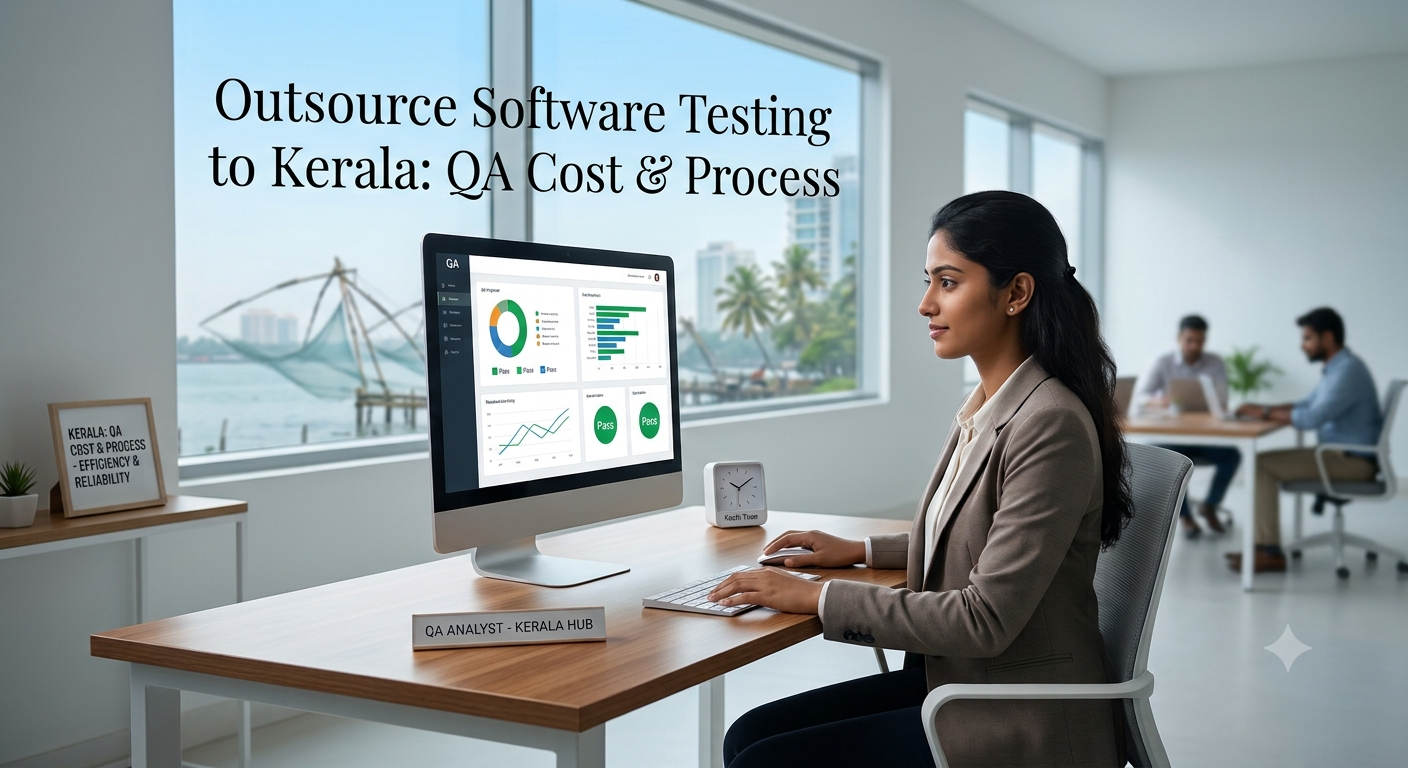
Outsource Software Testing to Kerala: QA Cost & Process
Planning to outsource QA? See what manual and automation testing cost in Kerala, how the process works, and which questions to ask vendors before you sign.
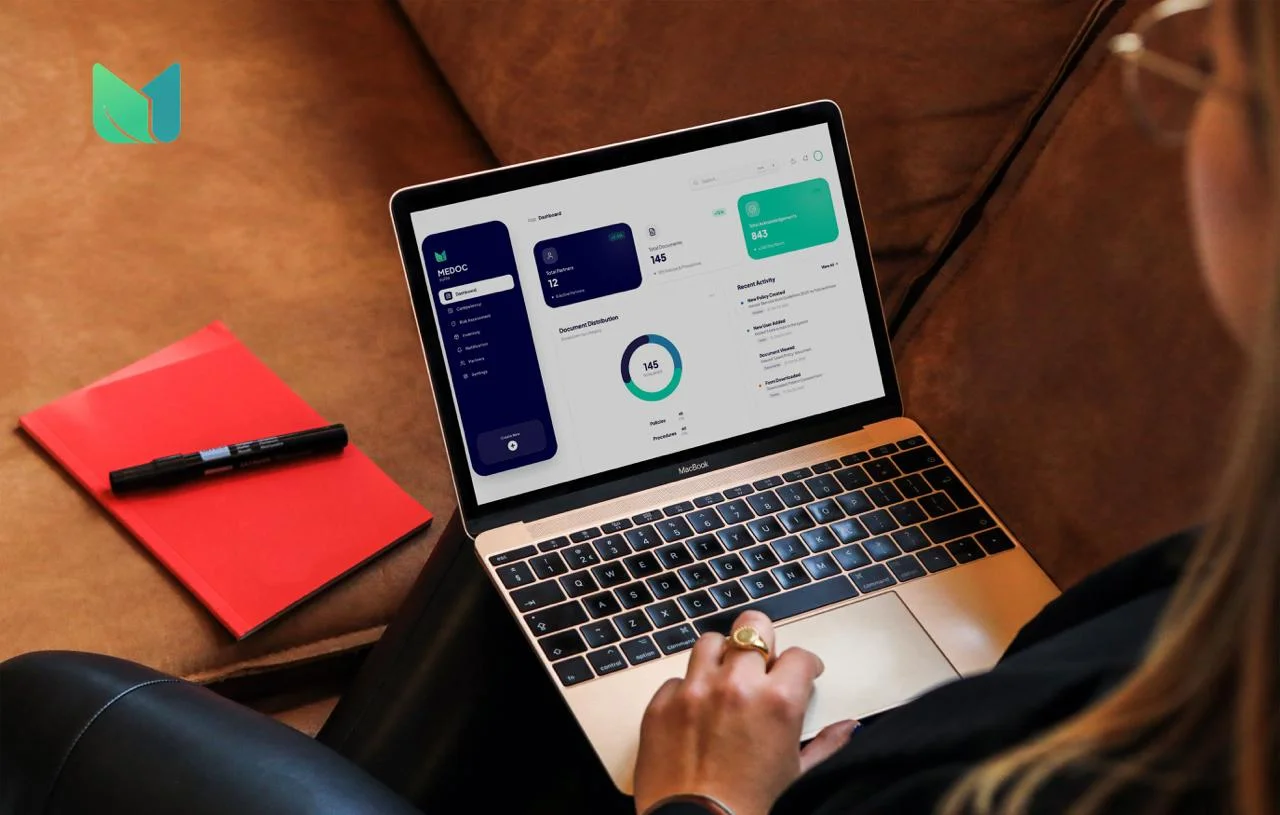
Case Study: Medoc Suite Platform by CODO AI
Scattered records, tricky scheduling and slow billing cost healthcare teams hours every week. See how CODO AI approached Medoc Suite, from discovery to launch, and what a single healthcare platform can change for your clinic.
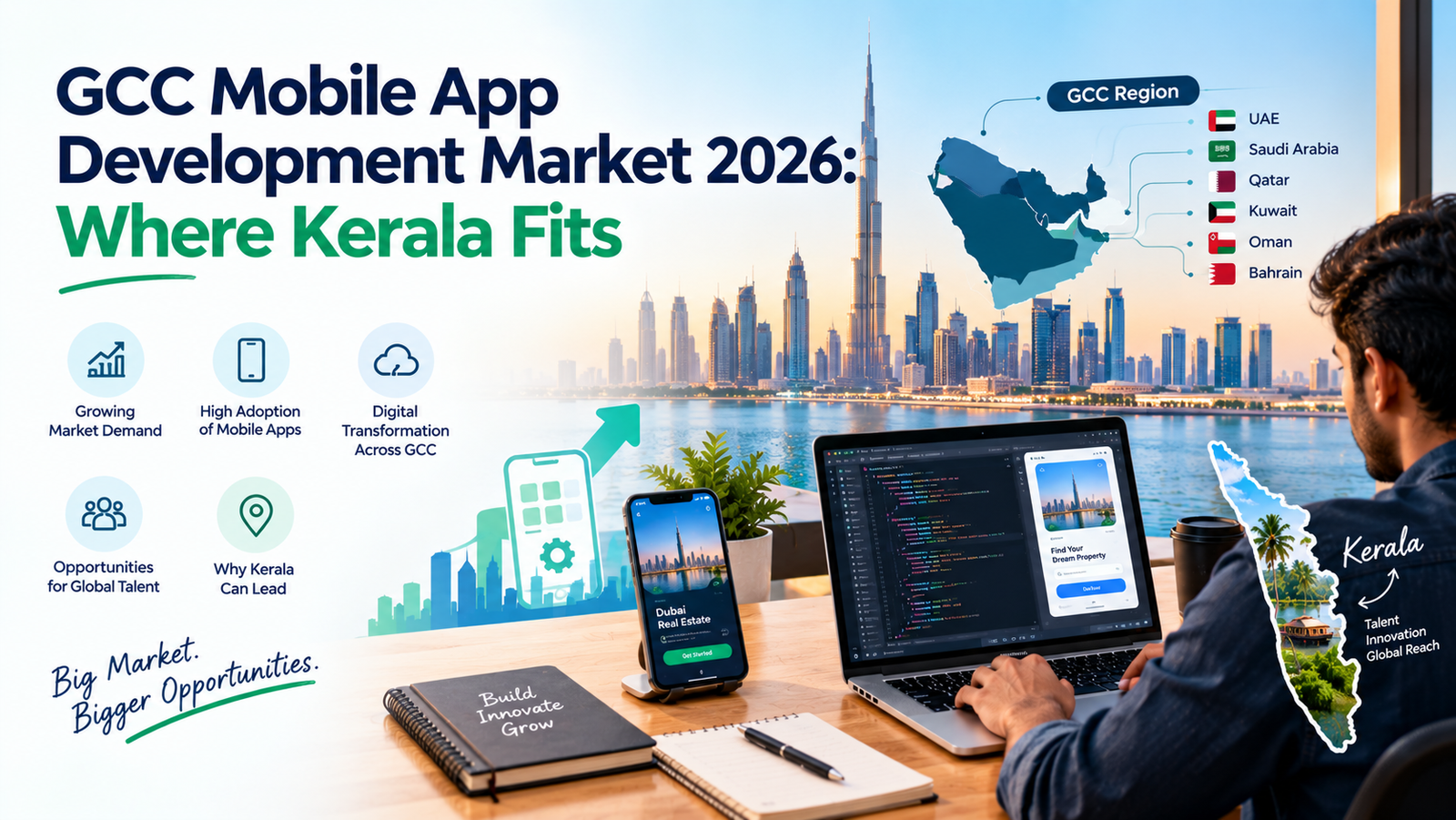
GCC Mobile App Development Market 2026: Where Kerala Fits
Gulf businesses are moving payments, services and shopping onto the phone. See where GCC mobile app demand is heading in 2026, what buyers expect, and why Kerala teams are winning Gulf projects on cost and time-zone overlap.