

How to Choose a Reliable Web Development Partner in Kerala from the Gulf
Based in the Gulf and hiring a Kerala web development team remotely? Here's exactly what to check — process, communication, contracts — before you sign.
If you're a Malayali business owner in Dubai, Doha, Riyadh, or anywhere else in the Gulf, hiring a web development team back home in Kerala makes obvious sense on paper: lower cost, shared language, shared time zone advantage, and a talent pool that's grown considerably in the last few years. But "makes sense on paper" is exactly where the risk sits. You're not going to walk into their office. You won't sit across the table when a deadline slips or a scope conversation gets awkward. Every part of the relationship — the pitch, the contract, the actual build, the support after launch — has to hold up entirely through a screen.
Most guides on choosing a web development agency are written for someone who can physically visit the office. This one isn't. It's written specifically for the situation you're actually in: evaluating and managing a Kerala-based development partner while you're thousands of kilometres away, with your own business running on the line if the website doesn't work.
Why This Decision Is Riskier When You're Remote
When you're local, a lot of due diligence happens by accident. You notice if an office looks abandoned. You can tell from a face-to-face meeting whether someone actually understands your business or is just repeating buzzwords. You can drop by unannounced if something feels off.
None of that safety net exists when you're hiring from abroad. A polished website and a fast WhatsApp reply can make almost any agency look credible — and a fair number of Gulf-based Malayali business owners have learned this the hard way, paying an advance to a "team" that turned out to be one freelancer working out of a shared office, or discovering three months in that nobody had actually started building anything.
This isn't a reason to avoid hiring in Kerala — it's a reason to be more structured about how you evaluate before you commit. The rest of this guide walks through exactly what to check.
Start With Verifiable Proof of Work, Not Promises
Every agency will tell you they're experienced, reliable, and easy to work with. None of that is verifiable over a video call. What is verifiable:
A live portfolio you can actually click through, not screenshots in a PDF. Open the sites on your own phone. Check if they load fast, look right on mobile, and actually function — a broken "View Live Site" link is a red flag in itself. Case studies with real outcomes, not just visuals. Did the site improve load speed, conversions, or search visibility? An agency that can only show you design mockups, with nothing about what happened after launch, is showing you half the picture. Client references you can contact directly, ideally other Gulf-based clients who've managed a project the same way you're about to — remotely.
If an agency is hesitant to share any of this, that hesitation is information. A credible Kerala studio with an established portfolio should have no reason to keep it vague.
Ask About Process Before You Ask About Price
Price is the easiest thing to compare and the least useful thing to compare first. Two agencies quoting the same number can deliver wildly different experiences, because the real differentiator is process — and process is exactly what determines whether a remote project stays on track or quietly falls apart.
Specifically, ask:
How do you structure milestones? A reliable partner breaks the project into phases — discovery, design, development, testing, launch — each with a defined deliverable you can review, not one long silence followed by a "final" reveal. What's your communication cadence? Weekly updates, a shared project board, scheduled video calls — you want a structure that doesn't depend on you remembering to chase them. Who exactly will I be working with? Some agencies route every Gulf client through junior support staff while senior developers work elsewhere. Ask directly who your point of contact is and whether that person has decision-making authority. What happens if a milestone slips? Every project has some risk of delay. What matters is whether the agency has a real answer for how they handle it, versus a vague reassurance. A team that answers these clearly and specifically, without needing to check with someone else, is usually a team that's actually run this process before.
Time Zone Overlap Is an Advantage — If They Use It Properly
This is genuinely one of the strongest reasons to hire in Kerala rather than a Western agency: the working-day overlap between Gulf countries and India is real and usable. UAE and Saudi business hours overlap substantially with IST, which means live calls, real-time feedback, and same-day fixes are realistic — not something you're waiting on overnight for.
But this advantage only matters if the agency actually structures their availability around it. Ask directly: what hours are you reachable during my business day, and by what channel? An agency that treats this overlap as a selling point in the pitch but then goes quiet for two days when you raise an issue isn't actually giving you the advantage you're paying for.
Get the Contract Details Right Before You Pay Anything
This matters more for remote clients than local ones, because a written contract is your only real leverage if something goes wrong — you can't resolve a dispute by walking into an office.
At minimum, the agreement should specify:
Full scope of deliverables — number of pages, specific features, integrations, not vague language like "a professional website." Payment structure tied to milestones, not a large upfront payment with the balance due only at the very end. A 30-40% advance with the rest split across defined milestones is a reasonable, common structure. Ownership of the final code and assets — confirm in writing that you own the source code, domain, and hosting credentials once the project is delivered, not the agency. Post-launch support terms — how many days or months of free bug fixes are included, and what happens after that window closes.
If you're also comparing agencies on price at this stage, it's worth reading through our detailed breakdown of what ecommerce website development actually costs for GCC sellers building from Kerala — it'll help you tell a genuinely competitive quote from one that's simply cutting corners.
Watch for These Specific Red Flags
A few patterns show up repeatedly in the stories Gulf-based business owners share after a bad experience:
Unrealistically fast timelines. A serious ecommerce or custom software build takes real weeks, not days. An agency promising a full custom site in 3-4 days is either reusing a template with minimal customisation or setting you up for a rushed, buggy launch. No fixed point of contact. If you're being handed off between different people every time you reach out, nobody actually owns your project. Reluctance to put anything in writing. Verbal promises about scope, timeline, or ownership mean nothing once the project is underway. No clear post-launch plan. A website isn't a one-time delivery — it needs updates, security patches, and occasional fixes. If the agency's pitch stops at "launch," ask what happens the week after.
What a Trustworthy Kerala-Gulf Working Relationship Actually Looks Like
The teams that work well with Gulf-based clients tend to share a few habits: they over-communicate rather than under-communicate, they show working progress early rather than disappearing until "the reveal," and they're upfront about limitations rather than promising everything is possible on any timeline.
At CODO AI Innovations, this is exactly how we structure engagements with our Gulf clients — milestone-based delivery, a single point of contact who's actually involved in the build, and scheduled calls that fit around Gulf business hours rather than asking you to adjust to ours. Whether you need a custom website, a full custom software build, or ongoing support after another agency's project stalled, we work the same way regardless of whether you're reachable from our Kerala office or a WhatsApp call from Dubai.
If you're currently evaluating agencies and want a second opinion on a quote or a proposal you've received, get in touch — we're happy to review it and tell you honestly whether it looks right.
A Simple Checklist Before You Sign
Before committing to any Kerala-based web development partner from abroad, confirm you can answer yes to each of these:
Have I seen live, working examples of their past projects — not just screenshots? Do I know exactly who my point of contact will be, and have I spoken to them directly? Is the payment structured across milestones, not a large upfront sum? Does the contract clearly state that I own the final code, domain, and hosting? Have I confirmed their availability during my Gulf working hours? Is post-launch support explicitly defined, with a clear end date for the free period?
If any of these are unclear, ask before you pay — not after.
For a deeper look at how to vet agencies specifically on reputation and specialisation rather than just process, our guide on choosing the best Kerala web design agency serving Dubai, Qatar, and Saudi businesses covers the evaluation criteria in more detail. And if cost is your main hesitation right now, our Kerala vs UAE digital marketing agency comparison breaks down where the real price differences — and the real trade-offs — actually come from.
Frequently Asked Questions
Keep Reading
View All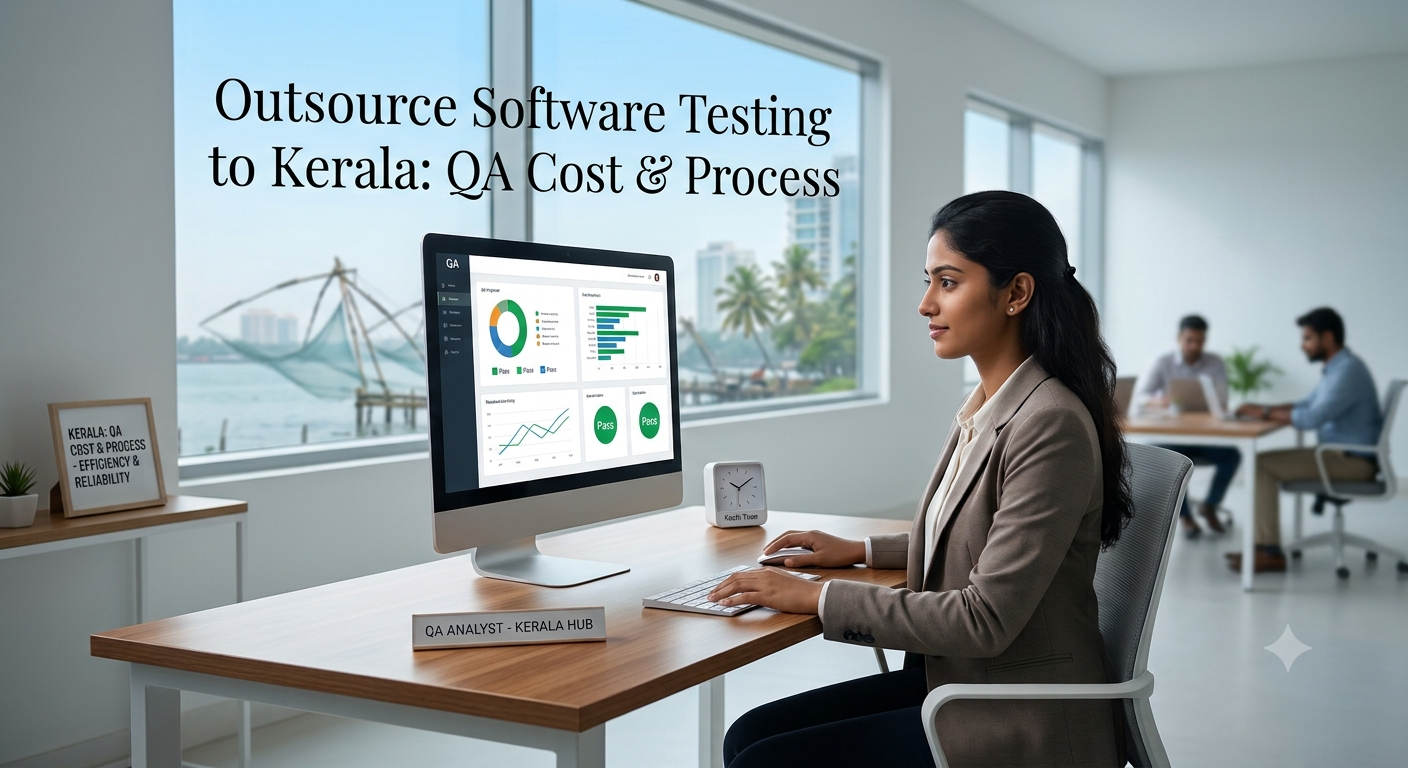
Outsource Software Testing to Kerala: QA Cost & Process
Planning to outsource QA? See what manual and automation testing cost in Kerala, how the process works, and which questions to ask vendors before you sign.
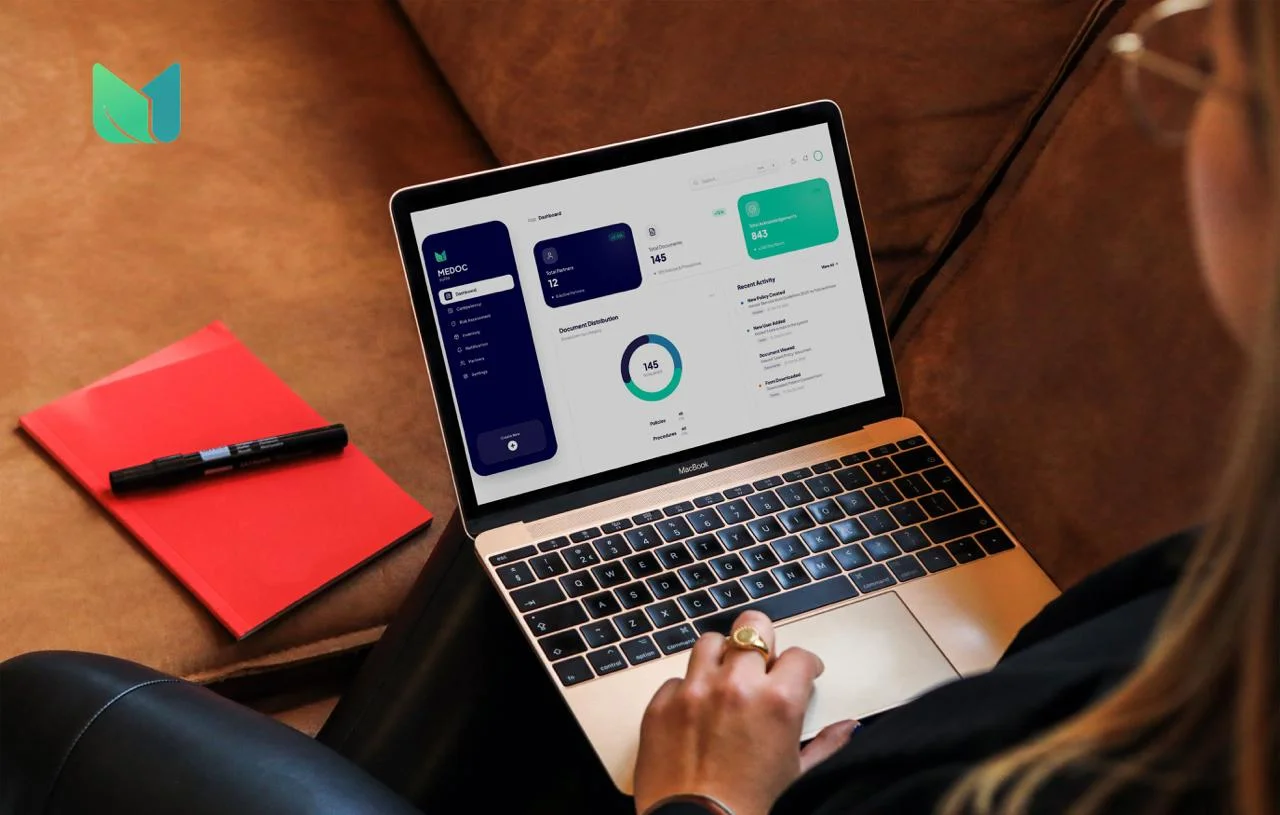
Case Study: Medoc Suite Platform by CODO AI
Scattered records, tricky scheduling and slow billing cost healthcare teams hours every week. See how CODO AI approached Medoc Suite, from discovery to launch, and what a single healthcare platform can change for your clinic.
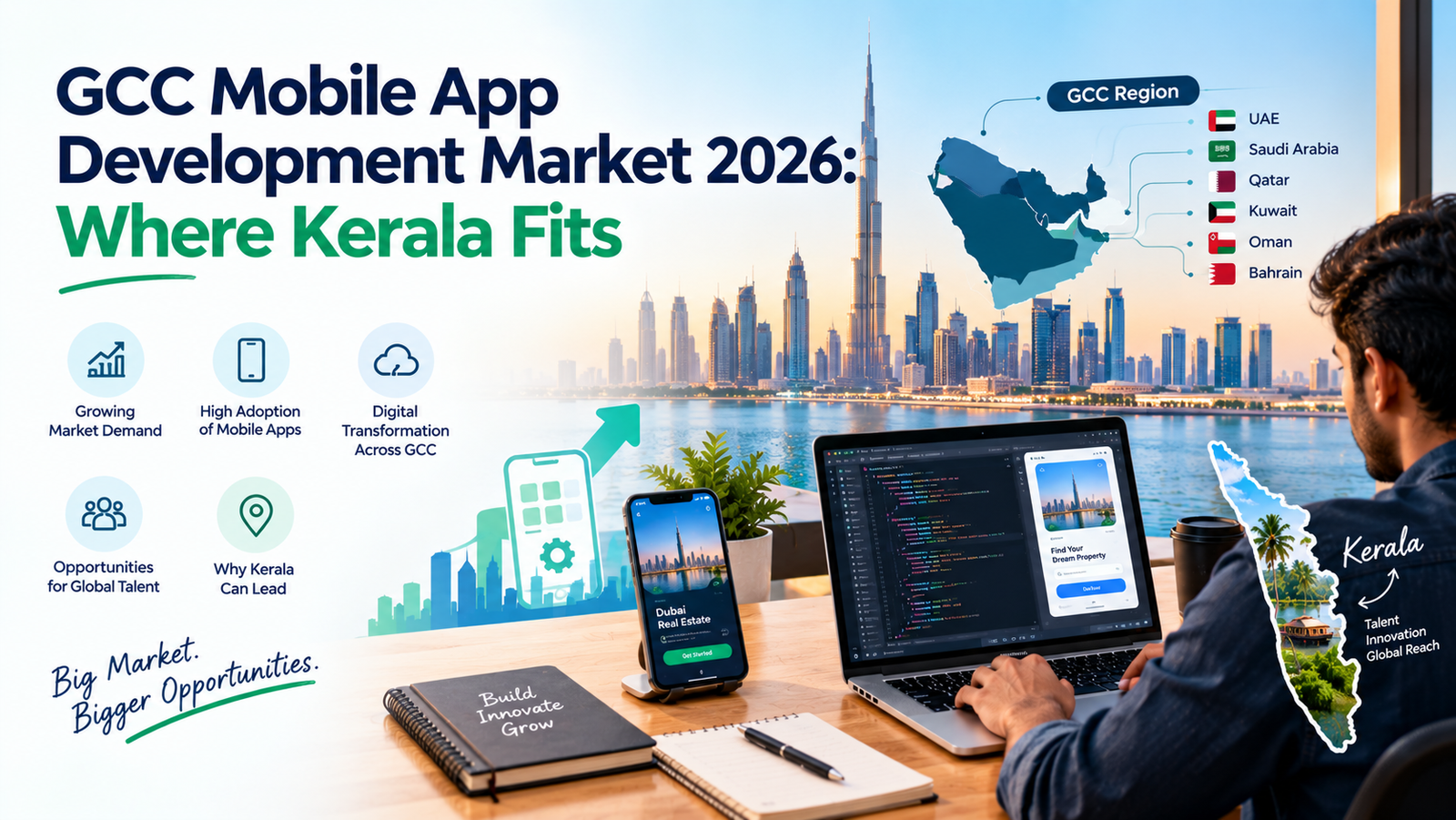
GCC Mobile App Development Market 2026: Where Kerala Fits
Gulf businesses are moving payments, services and shopping onto the phone. See where GCC mobile app demand is heading in 2026, what buyers expect, and why Kerala teams are winning Gulf projects on cost and time-zone overlap.