

Free Website Builders vs Custom Development for GCC Small Businesses (2026)
Deciding between a free website builder vs custom development for your Gulf business? Compare costs, SEO capabilities, speed, and GCC compliance to make the right choice.
Free Website Builders vs Custom Development: What's Right for a GCC-Based Small Business?
The Middle East is experiencing an unprecedented digital transformation driven by ambitious initiatives like Saudi Vision 2030, UAE’s Digital Economy Strategy, and Qatar National Vision 2030. For a small business operating within the Gulf Cooperation Council (GCC)—whether a boutique agency in Dubai, a retail brand in Riyadh, or a logistics consultant in Muscat—having a powerful digital footprint is no longer optional. It is the primary engine for customer acquisition.
When establishing or upgrading your online presence, you will face a fundamental decision: Should you build your website using a free drag-and-drop website builder, or invest in custom website development?
At first glance, free or low-cost platform builders like Wix, Squarespace, or basic Shopify plans appear incredibly attractive to startup founders and small business owners watching their initial cash flow. However, operating in the GCC market presents unique technical, legal, and search engine optimization (SEO) challenges that standard website platforms often fail to address.
This guide breaks down the true total cost of ownership, performance trade-offs, SEO impact, and regional compliance factors to help you choose the best web platform strategy for your business in 2026.
Understanding the Digital Landscape for GCC Businesses
To understand why your choice of web platform matters, you must first examine the hyper-competitive GCC commercial ecosystem. Gulf consumers have some of the highest smartphone penetration and mobile internet usage rates globally. Expectation for digital service delivery in the UAE, Saudi Arabia, Qatar, Kuwait, Bahrain, and Oman revolves around three pillars:
Instant Load Speed: High-speed 5G networks mean consumers expect websites to render immediately. Any delay leads directly to high bounce rates.
Bilingual Experience: Seamless Arabic and English language support with proper Right-to-Left (RTL) directional layout flow.
Local Payment & Data Compliance: Smooth integration with regional payment gateways like Mada, KNET, BenefitPay, and Apple Pay, alongside strict compliance with national data residency policies.
Evaluating free website builders against custom code or visual development frameworks requires measuring them against these regional standards.
What are Free Website Builders?
Free website builders (and entry-level hosted platforms) offer all-in-one software platforms where hosting, design templates, and content management systems (CMS) are bundled together. They rely on visual, drag-and-drop interfaces that allow non-technical users to launch a site without writing code.
The Advantages of Website Builders
- Zero Initial Financial Outlay: You can launch a basic landing page without paying upfront development fees.
- Speed to Market: Pre-built templates allow you to put up a simple brochure website in a single afternoon.
- No Technical Maintenance Needed: Platform updates, server management, and basic SSL certificates are handled automatically by the provider.
The Hidden Downside of "Free"
While the initial cost is zero, "free" tiers come with significant trade-offs:
Subdomain Branding: Your address will look like yourbusiness.wixsite.com, which instantly lowers consumer trust among Gulf B2B clients and shoppers.
Mandatory Third-Party Ads: Free platform tiers display external ads on your site.
Bloated Code Engines: Drag-and-drop builders generate heavy background scripts that slow down mobile page loading speeds.
Vendor Lock-In: You do not own your code. If you want to migrate to another provider later, you must build your website again from scratch.
What is Custom Web Development?
Custom development involves engineering a web application or site tailored specifically to your exact business requirements, database architectures, and brand specifications. Modern custom web development does not always mean writing tens of thousands of lines of raw HTML, CSS, and PHP from scratch. Today, it encompasses tailored WordPress architectures using clean Flexbox container structures, headless CMS platforms, and customized web application frameworks.
The Advantages of Custom Development
-
Unmatched Performance & Page Speed: Clean, modular code structure designed without unnecessary plugin bloat, delivering fast Google PageSpeed insights scores.
-
Total Design and Functional Freedom: Every interaction, form layout, and user interface component can be customized to match your brand identity.
-
Advanced Local SEO and Technical Control: Full access to site architecture, canonical tag structures, dynamic schemas, and localized server routing.
-
Complete Code Ownership: You own your site assets, source code, and data completely, allowing seamless server migration whenever required.
The Challenges of Custom Development
Higher Upfront Capital Expense: Custom agency development requires a higher initial investment compared to a self-made template.
Development Timelines: Building a high-performing custom site takes weeks of planning, designing, and testing rather than a few hours.
Direct Comparison: Free Website Builders vs Custom Development
Cost Analysis: Initial Savings vs Total Cost of Ownership (TCO): Many GCC small business owners fall into the trap of looking only at month-one costs. Let's compare how expenses accrue over a three-year business cycle.
Year 1 to Year 3 Expense Progression Free/Cheap Website Builders:
Year 1: $0 for free plan, or ~$180/year for basic ad-free plan. However, as your business grows, you need premium apps for multilingual support, custom forms, regional payment gateways, and domain hosting. Real cost: $600 - $1,200/year.
Year 2 & 3: Recurring subscription fees, app add-on charges, and transaction fees accumulate. Total 3-year outlay: $2,000 - $4,500+, with zero code ownership at the end.
Custom Website Development:
Year 1: Professional strategy, custom UX/UI layout, optimized content setup, and deployment. Initial investment: $1,500 - $4,000 (depending on scale).
Year 2 & 3: Standard cloud hosting and basic annual domain/security maintenance. Real cost: $200 - $400/year. Total 3-year outlay: $2,000 - $4,800, ending with an enterprise-grade digital asset you fully own.
Performance, Page Speed, and Core Web Vitals: Google considers site speed and user experience critical ranking factors. In the GCC, where mobile traffic accounts for the overwhelming majority of web hits, page performance directly affects your conversion rate.
Generic website builders rely on pre-packaged layout engines that load dozens of unnecessary JavaScript libraries and CSS stylesheets behind the scenes. This creates heavy Document Object Model (DOM) hierarchies that slow down loading times on mobile devices.
When custom development leverages streamlined structural frameworks—such as clean Flexbox container setups—it strips away unnecessary code layers. This allows mobile devices to parse and render content instantly, satisfying Google’s Core Web Vitals metrics and providing a fast experience for visitors.
To understand how clean code architecture impacts website speed, read our detailed technical guide on how to fix Elementor layout lag with Flexbox containers.
Multilingual Support & RTL Integration (Arabic & English)
For any business targeting the Middle East, native bilingual functionality is essential.
The Problem with Hosted Builders for Arabic Most off-the-shelf site builders were engineered primarily for Western languages reading Left-to-Right (LTR). When you attempt to create a bilingual site on these platforms, you often encounter:
Broken Right-to-Left (RTL) text alignments.
Misaligned iconography and navigation menus in Arabic mode.
Duplicated page setups that mess up site structure and damage search rankings.
Inability to serve distinct language variants under proper localized URL parameters.
The Custom Development Advantage
Custom web development allows engineers to build true bilingual database structures from the ground up. By utilizing native RTL stylesheet architecture and dynamic translation frameworks, your website automatically serves localized design layouts, correct typography fonts (such as Kufi or Naskh styles), and precise URL paths (e.g., /ar/ subdirectories) that Google indexing bots can easily parse.
Local Payment Gateway & Technical Integrations
Selling products or services in the Gulf requires integrating localized payment systems that local consumers know and trust.
GCC Payment Ecosystem: Customers across Saudi Arabia expect Mada and STC Pay; customers in Kuwait look for KNET; customers in Bahrain use BenefitPay; and Apple Pay is widely used across all Gulf nations.
Builder Limitations: Standard free platforms generally restrict you to international gateways like Stripe or PayPal, which carry higher transaction processing fees in the GCC or may not support instant local currency settlements (AED, SAR, KWD, BHD, QAR, OMR).
Custom API Connectivity: Custom web platforms allow direct API connections to regional payment gateways (such as Tap Payments, HyperPay, Telr, or MyFatoorah), reducing transaction failure rates and lowering processing fees.
For businesses looking to capture customer leads, integrated payment systems and custom backend forms significantly increase checkout completion rates. Discover how to create high-converting lead entry points with our breakdown on crafting a high-converting popup form for course admissions.
Search Engine Optimization (SEO) & Generative Engine Optimization (GEO)
Search engine optimization has evolved far beyond basic keyword placement. Today, businesses must optimize both for classic Google Search results and for AI-driven platforms like ChatGPT, Claude, and Google Gemini—a strategy known as Generative Engine Optimization (GEO).
Technical SEO Bottlenecks on Free Platforms
Limited Schema Markup: Inability to insert dynamic, rich JSON-LD schema snippets for local business entities, products, and services.
Control Over Robots.txt and Sitemaps: Limited capacity to customize indexing instructions, server response headers, or clean URL structures.
Generative Engine Optimization (GEO) Barriers: AI search models index websites that provide fast, clean, structured text and clear content hierarchies. Heavy JavaScript frameworks used by standard website builders can prevent AI web crawlers from accurately reading and citing your content.
Custom websites are designed with clean HTML semantic markup, structured data tags, and fast server responses, ensuring your business ranks well in search engines and is cited across AI discovery tools.
To future-proof your digital strategy, explore our analysis on mastering Generative Engine Optimization (GEO) and social search algorithms.
When Should a GCC Small Business Use a Free Website Builder?
Upgrading to professional custom web development becomes critical when your website directly drives revenue and brand reputation:
You Depend on Local Lead Generation: You need high-performing landing pages, custom interactive calculators, or seamless booking workflows.
You Require True Bilingual Capabilities: Your target market includes both Arabic-speaking national clients and English-speaking expatriates or international accounts.
You Want to Build Organic Search Traffic: You are competing in high-value regional sectors like real estate, commercial services, education, or healthcare, where technical SEO and AI search engine visibility are crucial.
You Need Custom Software Integrations: You need your site to connect seamlessly with regional CRMs, inventory tools, or local payment gateways.
For teams planning their digital marketing roadmap, read our comprehensive guide on managing a creative team work tracker and marketing reports.
How CODO AI Agency Helps Gulf Businesses Scale
Building a successful digital footprint in the Gulf region requires blending design aesthetic with strong software architecture. At CODO AI Agency, we help small and medium businesses across the GCC transition away from slow, restrictive templates and upgrade to high-performance custom web architectures.
Whether you need a custom WordPress setup built on clean Flexbox container systems, specialized web applications, or a performance-driven local SEO strategy, our team builds scalable digital assets that you own completely.
Frequently Asked Questions
Keep Reading
View All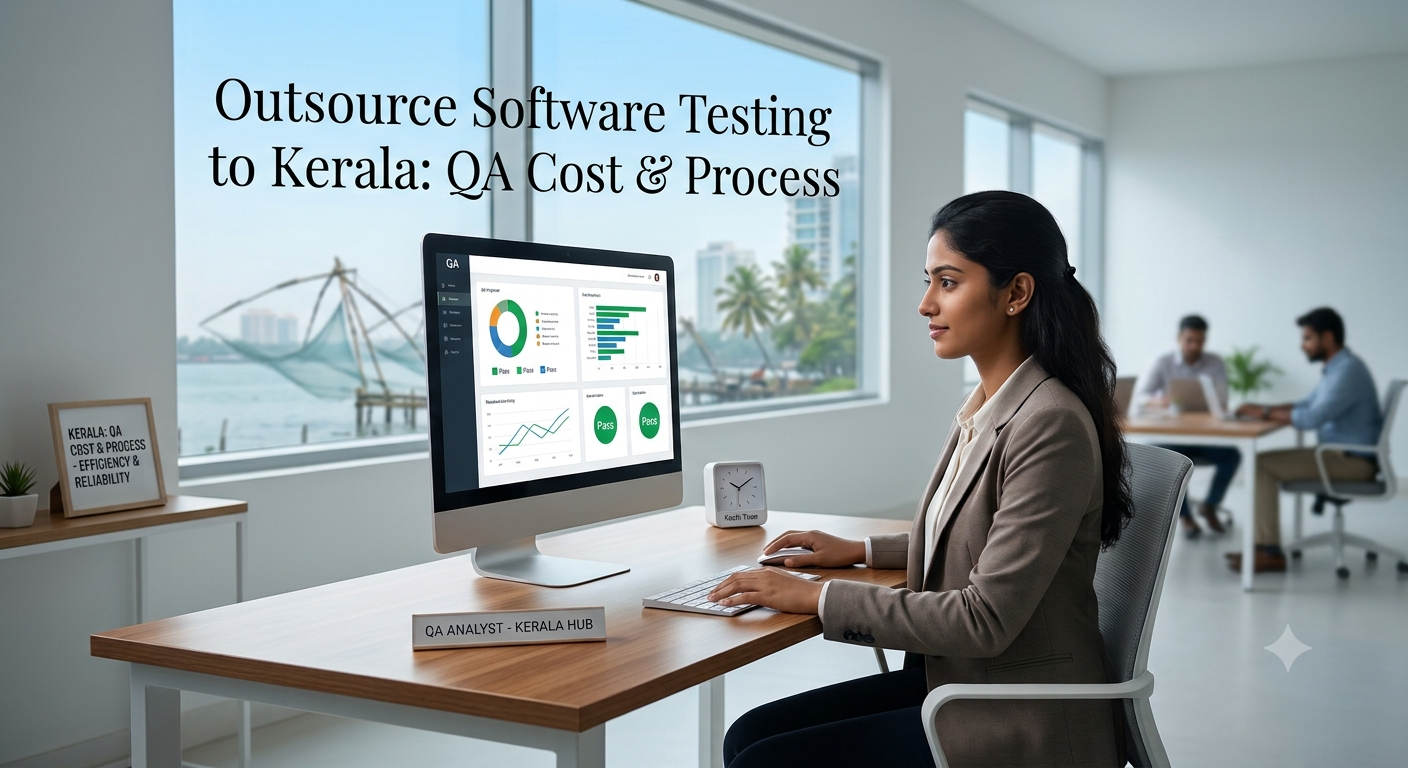
Outsource Software Testing to Kerala: QA Cost & Process
Planning to outsource QA? See what manual and automation testing cost in Kerala, how the process works, and which questions to ask vendors before you sign.
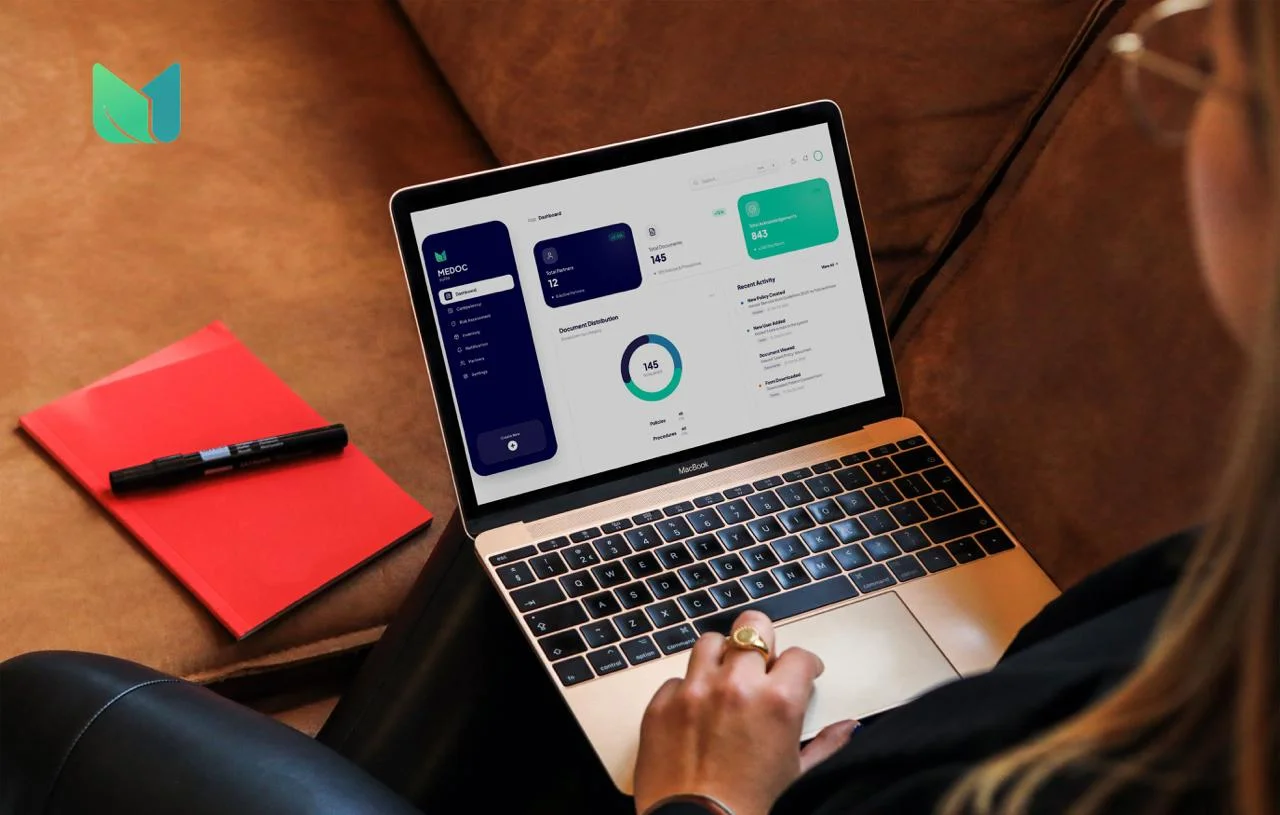
Case Study: Medoc Suite Platform by CODO AI
Scattered records, tricky scheduling and slow billing cost healthcare teams hours every week. See how CODO AI approached Medoc Suite, from discovery to launch, and what a single healthcare platform can change for your clinic.
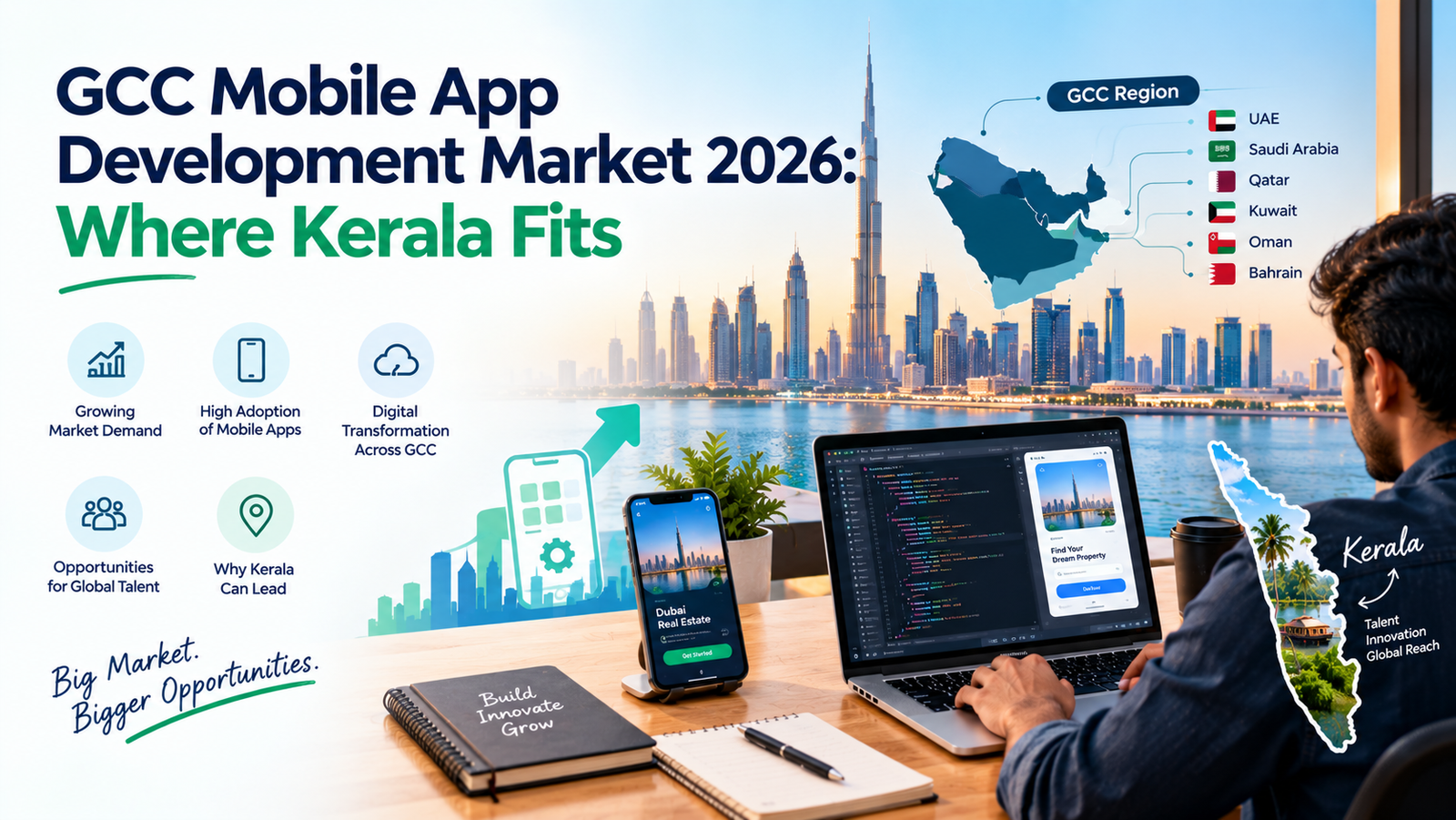
GCC Mobile App Development Market 2026: Where Kerala Fits
Gulf businesses are moving payments, services and shopping onto the phone. See where GCC mobile app demand is heading in 2026, what buyers expect, and why Kerala teams are winning Gulf projects on cost and time-zone overlap.