

Why GCC Malayali Business Owners Outsource Web Development to Kerala (2026)
GCC-based Malayali entrepreneurs are increasingly outsourcing web development to Kerala. Here's the real cost, quality, and trust argument behind the shift — and how to do it right.
Why GCC-Based Malayali Business Owners Are Outsourcing Web Development to Kerala (2026)
If you're a Malayali business owner in Dubai, Doha, Riyadh, Muscat, Kuwait, or Manama, you've probably noticed a quiet shift happening around you. More and more Gulf-based Malayali entrepreneurs — restaurant chains, trading businesses, real estate agencies, clinics, salons, e-commerce startups — are no longer hiring local web development agencies for their websites and apps. They're outsourcing to Kerala instead. This isn't a coincidence, and it isn't just about saving money, though cost is a real part of the story. It's a combination of cost arbitrage, cultural and linguistic familiarity, timezone convenience, and a Kerala tech ecosystem that has matured significantly over the last few years. This piece breaks down exactly why this shift is happening, what the real numbers look like, and what to watch for if you're considering it yourself.
The Core Argument: Cost Arbitrage, Explained Properly
Let's start with the obvious driver, because it matters — but let's also be precise about it, because "outsourcing is cheaper" is true in a way that's easy to misunderstand. A mid-sized web development project in the UAE or Saudi Arabia — a custom business website with a CMS, a basic e-commerce setup, or a simple mobile app — can easily run into the range of AED 15,000-40,000 (roughly ₹3.4-9 lakh) when quoted by a local Gulf agency. The same scope of work from an experienced Kerala-based development team typically costs a fraction of that, often 40-60% less, without a corresponding drop in code quality or design standard. The reason isn't that Kerala developers are "cheaper labor" in some lesser sense. It's a genuine cost-of-living and operating-cost arbitrage. Office rent, salaries, and overhead in Kochi, Kozhikode, or Thiruvananthapuram are a fraction of what they are in Dubai or Riyadh. A skilled full-stack developer in Kerala earns well by Indian standards, but that same salary is a much smaller line item than an equivalent hire — or equivalent agency retainer — in the Gulf. That gap gets passed on directly to the client in the form of lower project costs, without the business owner having to compromise on the people actually building their product. This is precisely the same economic logic that has made India, and specifically hubs like Kerala, a global outsourcing destination for decades in IT services generally. What's changed recently is that this logic has become accessible to individual Gulf-based Malayali business owners, not just large enterprises with dedicated procurement teams.
Why Kerala Specifically — Not Just "India"
Cost arbitrage on its own would apply to outsourcing anywhere in India, or for that matter, to Vietnam, the Philippines, or Eastern Europe. So why does Kerala specifically keep coming up as the destination of choice for GCC Malayali business owners? Shared language removes the single biggest outsourcing risk. The most common failure point in offshore development isn't skill — it's miscommunication. A business owner explaining what they want for their restaurant's online ordering system, or their real estate listing platform, gets lost in translation when working with a team that doesn't share their language or cultural context. Working with a Kerala-based team that communicates fluently in Malayalam (alongside English) eliminates this friction almost entirely. Nuance that would get lost in a generic outsourcing relationship — the specific way a Gulf-based Malayali audience expects to browse a menu, book a service, or read pricing — comes through naturally when the development team understands that context firsthand. Family and community trust networks matter more than most outsourcing guides admit. A huge share of GCC Malayali business is built on referral and community trust — the same dynamic that drives which restaurant you eat at or which doctor you visit. That same trust dynamic extends to who builds your website. A Kerala-based agency with visible, verifiable local roots — real offices, real portfolios, real client relationships back home — carries a kind of credibility that an anonymous freelance marketplace listing simply doesn't. Kerala's tech talent pool has matured significantly. This is the part that's genuinely changed in the last several years. Kerala now has a real, growing base of developers trained in modern frameworks, cloud deployment, and mobile development — not just the legacy PHP/WordPress skill set that used to define budget web development. Cities like Kochi (with its dedicated IT corridor) have attracted serious technical talent, and that shows up directly in the quality of work available at Kerala pricing. Timezone overlap is genuinely convenient. Kerala is only 1.5-2.5 hours ahead of the Gulf, depending on the country. That's a small enough gap that real-time calls, quick clarifications, and same-day turnarounds are entirely practical — unlike working with a development team in a distant timezone where every round of feedback costs a full day.
What "Outsourcing to Kerala" Actually Looks Like in Practice
For a GCC-based Malayali business owner, this typically isn't about hiring individual freelance developers — it's about working with an established Kerala-based agency that can own the full project: design, development, testing, deployment, and ongoing support. A well-structured engagement usually includes: Discovery calls conducted over WhatsApp or video call, scheduled around Gulf business hours, where the agency understands the specific business — not a generic template brief. A fixed-scope proposal with clear deliverables, rather than an open-ended hourly arrangement that can balloon in cost. Milestone-based development, where the client reviews and approves work in stages (design mockups, then a working build, then final testing) rather than waiting until the very end to see the product. Post-launch support — this is where many GCC business owners get burned by cheaper, less established providers. A website or app needs updates, security patches, and occasional fixes long after launch, and a serious Kerala-based partner builds this into the relationship rather than disappearing after delivery. This is exactly the model we follow at CODO AI Innovations — full ownership from custom website development through custom software and mobile app development, backed by a Kerala-based team that understands both the technical execution and the Gulf Malayali business context.
The Risks Worth Knowing Before You Outsource
It would be dishonest to present this shift as risk-free — because it isn't, and the outsourcing horror stories that circulate in Gulf Malayali business circles are usually real experiences, not exaggerations. Unverified freelancers vs. established agencies. The lowest-cost end of the Kerala outsourcing market includes individual freelancers working out of home setups with no formal business registration, no team redundancy, and no accountability if they go silent mid-project. This is where most bad outsourcing experiences originate — not from Kerala development quality generally, but from working with unverified individuals rather than accountable teams. Scope creep without a written agreement. Verbal understandings over a WhatsApp call feel efficient, but without a documented scope of work, "just add this one small feature" requests pile up quickly, and either the timeline slips or the relationship turns tense over unpaid extra work. No post-launch support plan. A cheap quote that doesn't include any maintenance or support window often turns out to be far more expensive over 12 months than a slightly higher quote from an agency that includes ongoing support. The solution to all three isn't avoiding Kerala outsourcing — it's choosing an established, accountable Kerala-based agency with a real business registration, a visible portfolio, and a documented process, rather than the cheapest individual quote you can find.
How to Evaluate a Kerala Development Partner From the Gulf
If you're a GCC Malayali business owner considering this move, a few practical checks go a long way:
- Ask for a real, verifiable portfolio — not just screenshots, but live sites or apps you can actually visit and test.
- Confirm business registration and physical presence in Kerala, not just a freelance profile.
- Get a written scope of work and timeline before any payment, however small the project.
- Ask specifically about post-launch support terms — what's included, for how long, and at what cost after that window ends.
- Start with a smaller pilot project if you're unsure — a landing page or a small feature build — before committing to a full platform rebuild. You can read more about what to expect on the cost side in our breakdown of ecommerce website development costs in Kerala, and if you're evaluating whether to go with a free/DIY builder versus a professional team, our guide on free vs. professional website options in India is a useful starting point before you commit either way.
Where This Is Heading
This shift from GCC Malayali business owners toward Kerala-based development isn't a passing trend — it reflects a broader normalization of remote-first business relationships within the same diaspora community, powered by better internet infrastructure, mature project management tools, and a Kerala tech workforce that's genuinely leveled up in the last several years. For a business owner in the Gulf weighing a five-figure AED quote from a local agency against a fraction of that cost from an established, accountable Kerala-based team that speaks your language and understands your market — the calculation increasingly favors Kerala, provided you choose the partner carefully. At CODO AI Innovations, we work specifically with Gulf-based Malayali business owners across the UAE, Qatar, Saudi Arabia, Oman, Kuwait, and Bahrain — combining Kerala-based development cost efficiency with the accountability, communication, and post-launch support that makes outsourcing actually work. Get in touch to discuss your project, or explore our full range of services to see how we can help.
Frequently Asked Questions
Keep Reading
View All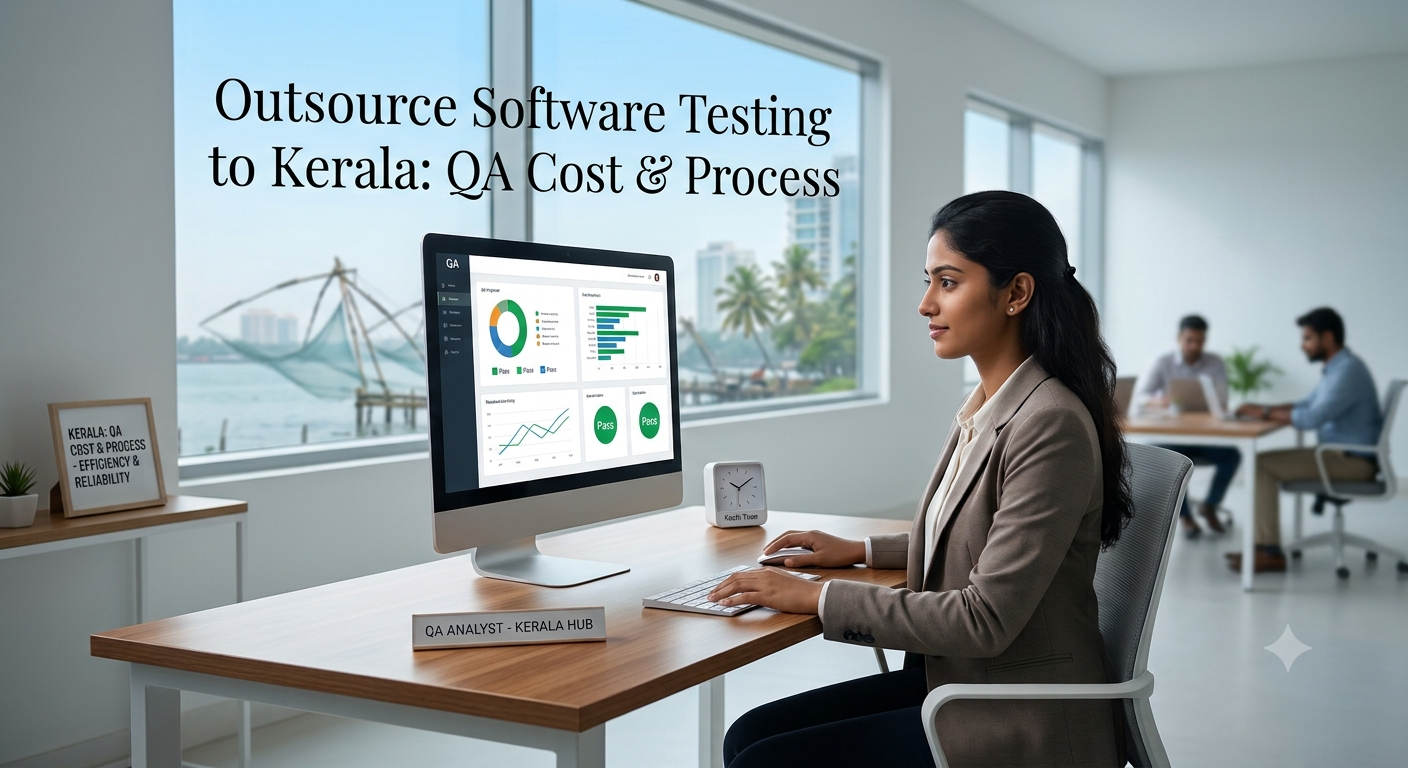
Outsource Software Testing to Kerala: QA Cost & Process
Planning to outsource QA? See what manual and automation testing cost in Kerala, how the process works, and which questions to ask vendors before you sign.
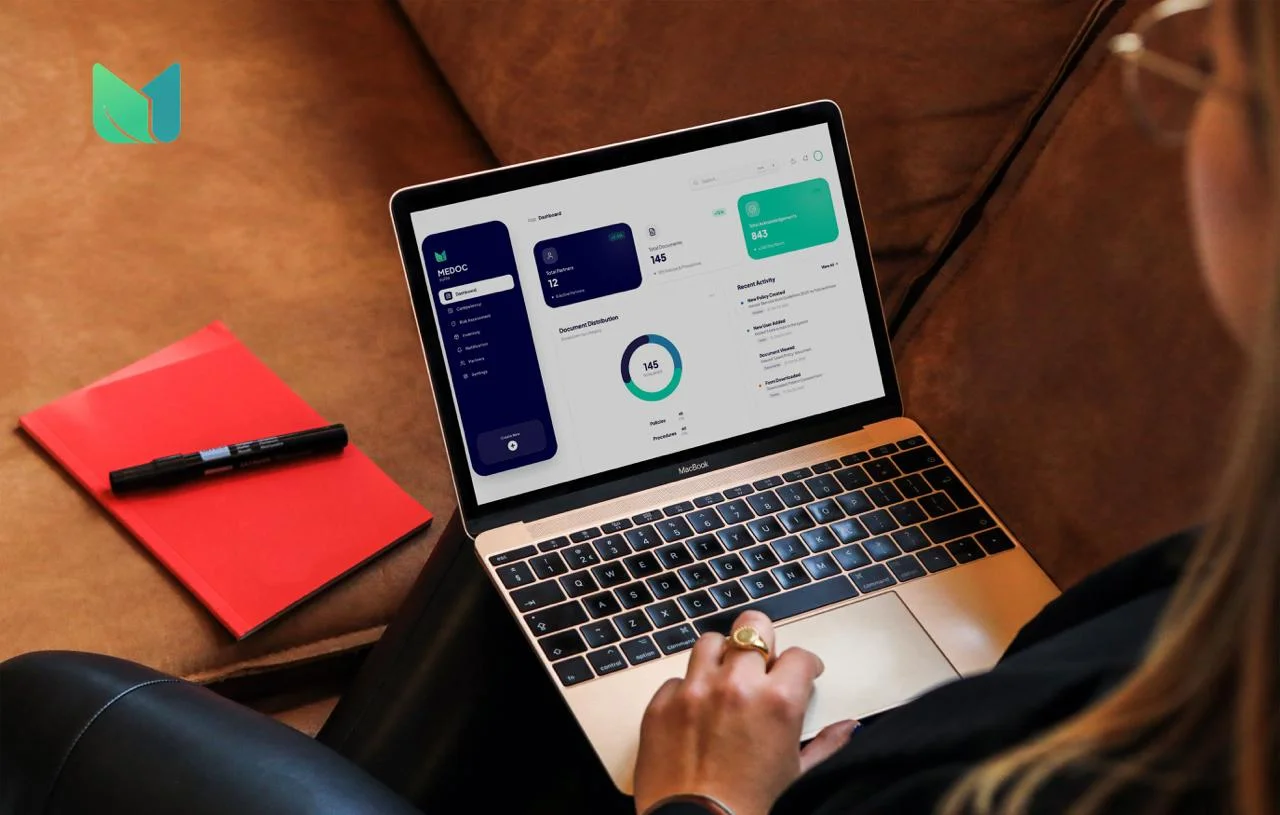
Case Study: Medoc Suite Platform by CODO AI
Scattered records, tricky scheduling and slow billing cost healthcare teams hours every week. See how CODO AI approached Medoc Suite, from discovery to launch, and what a single healthcare platform can change for your clinic.
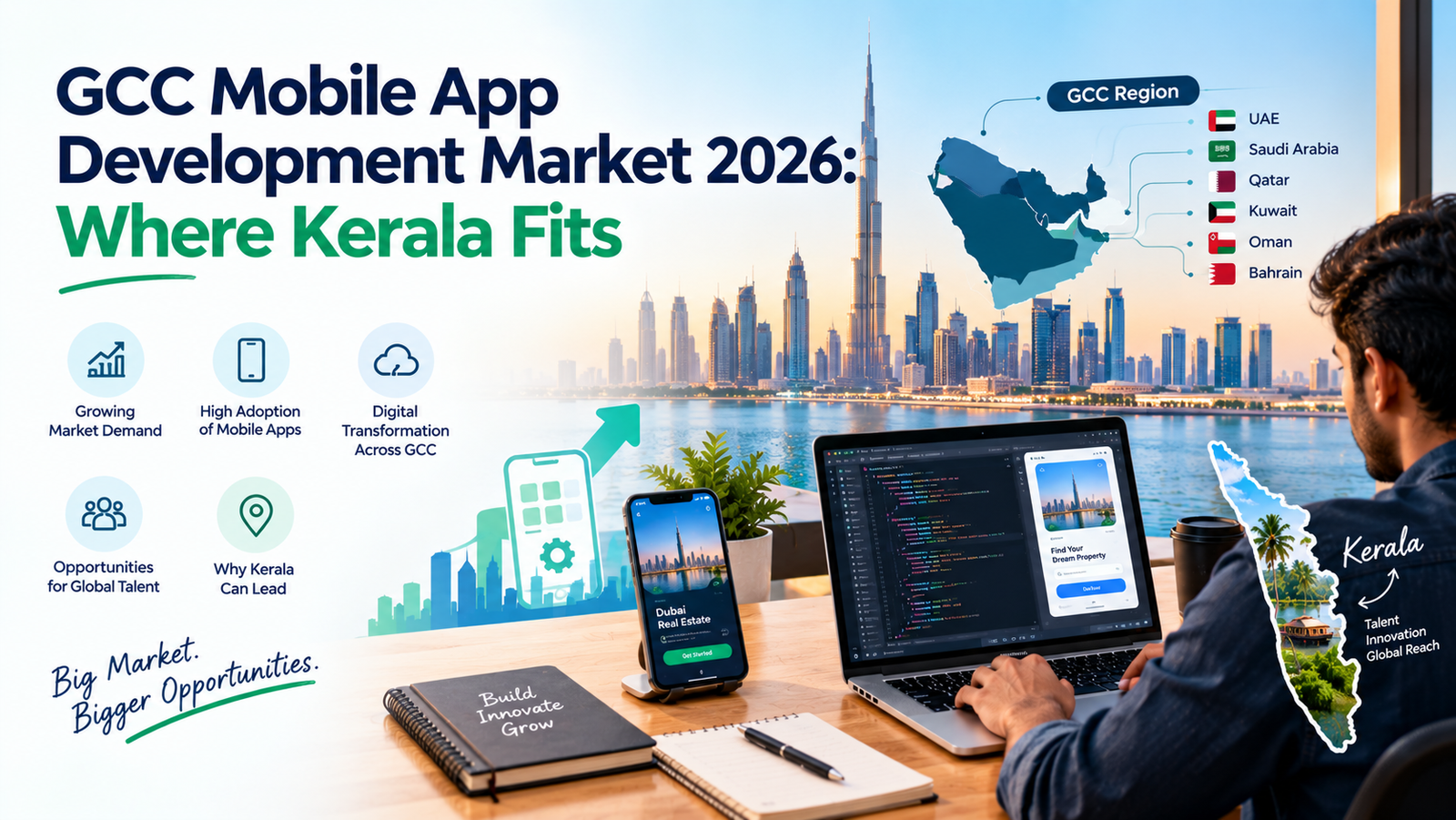
GCC Mobile App Development Market 2026: Where Kerala Fits
Gulf businesses are moving payments, services and shopping onto the phone. See where GCC mobile app demand is heading in 2026, what buyers expect, and why Kerala teams are winning Gulf projects on cost and time-zone overlap.