

Kerala vs UAE Digital Marketing Agency: A GCC Business Owner's Guide
Comparing a Kerala-based vs UAE-based digital marketing agency? Here's what GCC and Gulf Malayali business owners should actually weigh — cost, quality, communication, and delivery.
Hiring a Digital Marketing Agency in Kerala vs the UAE: What GCC Business Owners Should Know
If you're running a business in Dubai, Abu Dhabi, Doha, or anywhere else in the Gulf, you've probably had this exact conversation with yourself: hire a digital marketing agency based in the UAE, where your customers are — or look at a Kerala-based agency, where the cost makes a lot more sense on paper.
It's not a trivial decision. Marketing spend is one of the few line items that directly determines whether your business grows or stalls, and "cheaper" doesn't always mean "better" — but "local" doesn't automatically mean "better" either. For the large number of Gulf Malayali business owners weighing this exact choice, the honest answer isn't "always go local" or "always go offshore." It depends on what you're actually optimizing for, and most comparisons online don't spell that out clearly.
This guide breaks the decision down properly — cost, quality, communication, market understanding, and delivery — so you can make the call with your eyes open, not just based on which agency's salesperson called you back fastest.
Why This Decision Feels Harder Than It Should
Part of the confusion comes from how differently the two markets are structured.
In the UAE, digital marketing agencies operate in one of the most expensive, competitive advertising markets in the world. Client acquisition costs are high, office overheads in Dubai and Abu Dhabi are steep, and that cost structure shows up directly in agency retainers — often 3 to 5 times what a comparable scope of work costs from an agency based in India.
In Kerala, and India more broadly, the cost base is fundamentally different. Talented SEO specialists, content strategists, paid-media managers, and designers are available at a fraction of Gulf salary levels — not because the talent is lower quality, but because the cost of living and operating overhead is lower. Kerala in particular has become a genuine digital marketing talent hub, partly fuelled by the sheer number of professionals who've worked in or alongside the GCC market for years and understand exactly how Gulf Malayali and wider GCC audiences think, search, and buy.
That combination — GCC market fluency at Indian cost structures — is exactly why so many Gulf-based business owners are actively looking at Kerala agencies right now, and exactly why this comparison deserves a proper breakdown instead of a gut decision.
Cost: The Difference Is Real, Not Just a Sales Pitch
Let's be direct about this, because it's usually the first question. A mid-sized UAE digital marketing agency retainer for SEO, social media management, and paid ads typically runs into several thousand AED per month, before ad spend. A comparable scope from an established Kerala-based agency often costs a third to a fifth of that, sometimes less.
This isn't a race-to-the-bottom argument — plenty of Kerala agencies charge appropriately for senior-level strategic work. The point is that the cost floor is structurally lower, which means for the same monthly budget, a Kerala agency can typically dedicate more senior hours, more content production, and more testing cycles to your account than a UAE agency operating under Dubai overhead.
For SMEs and growing businesses — where marketing budget has to compete with rent, staffing, and inventory — that difference isn't cosmetic. It can be the difference between running one campaign and running four in parallel to actually find what converts.
Quality and Expertise: Location Isn't the Proxy You Think It Is
There's a common assumption that a UAE-based agency automatically understands the UAE market better simply by being physically present. In 2026, that assumption doesn't hold up the way it used to.
Digital marketing is, by definition, a remote-native discipline. SEO, Google Ads, Meta campaigns, content strategy, and marketing automation are all executed through the same platforms and data whether the strategist is sitting in Dubai Marina or Kochi. What actually determines quality is:
Whether the agency has real experience with GCC audiences and buying behaviour — not just theoretical familiarity. Whether the strategists are senior enough to interpret data correctly, not just run campaigns on autopilot. Whether the agency has delivered measurable results for businesses similar to yours, regardless of postcode.
A well-run Kerala agency with an established GCC/NRI client base — including businesses actually operating in Dubai, Sharjah, Doha, and Riyadh — often has more direct GCC market experience than a generalist UAE agency serving a broad mix of industries and geographies. The right question isn't "where is the agency based?" It's "how many businesses like mine has this specific team actually grown?"
Communication and Cultural Fit: Where Kerala Has a Genuine Edge
This is the point most cost comparisons skip entirely, and it matters more than people expect.
A huge share of GCC business owners — especially in the SME and family-business segment — are Malayali themselves, or work closely with Malayali staff, vendors, and customers. A Kerala-based agency isn't just "cheaper," it's often speaking the same cultural and linguistic language as the business owner and, frequently, the target audience too. That shows up in subtle but important ways: ad copy that actually lands with a Malayali-heavy customer base in Dubai or Abu Dhabi, WhatsApp-first communication norms that match how Gulf Malayali business owners actually prefer to work, and a shared understanding of what "trust" looks like in this specific community.
Time zones help too — Kerala is only 1.5 hours ahead of UAE, which means real-time calls, quick WhatsApp check-ins, and same-day turnarounds are entirely normal, not a scheduling headache like they would be with a Western agency.
Delivery: What "Working With a Remote Agency" Actually Looks Like
The old objection to hiring outside your own country — "how do I even manage them?" — has mostly disappeared for businesses that already run WhatsApp groups with suppliers in India, video calls with remote staff, and cloud-based reporting dashboards. A well-run Kerala digital marketing agency today operates with:
Structured onboarding and a documented strategy, not a vague promise of "we'll figure it out." Regular reporting cycles — weekly or monthly — so you're never wondering where the budget went. Direct access to the people doing the work, not just an account manager relaying messages. Clear ownership of deliverables, whether that's SEO, website design and development, paid campaigns, or branding.
If anything, the discipline required to manage a remote relationship well tends to produce better documentation and reporting than a "just walk into the office" local relationship, where things can stay informal until something goes wrong.
When a Local UAE Agency Genuinely Makes More Sense
To be fair, there are real scenarios where a UAE-based agency is the better call:
Your business depends heavily on in-person events, trade shows, or offline activations that need someone physically present. You need hyper-local Arabic-first campaigns for a predominantly Emirati or Gulf-Arab audience, where deep, native cultural nuance matters more than cost. Your industry has strict local compliance or regulatory advertising requirements that benefit from an agency with UAE legal grounding.
If none of those apply to your business — and for most SMEs, ecommerce brands, education businesses, and service providers, they don't — the cost-versus-quality math tilts firmly toward a well-chosen Kerala agency.
What to Actually Check Before You Hire (Regardless of Location)
Wherever the agency is based, the same due-diligence questions apply:
Ask for case studies from businesses similar to yours — ideally other GCC or NRI-facing brands. Ask who will actually work on your account, not just who's on the sales call. Ask how reporting works — frequency, format, and what metrics they actually track (leads and revenue, not just "engagement"). Ask about their approach to SEO and marketing strategy specifically — is it a documented plan, or a vague monthly retainer with no clear roadmap? You can see how we structure this on our full services page. Check whether they've built for Gulf and NRI audiences before, not just claimed to.
How CODO AI Innovations Fits This Picture
We built CODO AI Innovations specifically around this gap — a Kerala-based team with genuine, hands-on experience serving GCC and NRI businesses, offering senior-level digital marketing and SEO strategy at Kerala cost structures, without the communication friction people worry about with "outsourcing."
That means:
Marketing strategists who understand Gulf Malayali and broader GCC buying behaviour, not generic, one-size-fits-all campaigns. Integrated delivery — website development, branding, and AI-powered automation alongside marketing, so your digital presence isn't stitched together from five different vendors who don't talk to each other. Real reporting, real accountability — you'll always know what was done, why, and what it produced. A track record you can actually see — take a look at our portfolio of work across education, ecommerce, and service businesses, several with a strong Gulf/NRI customer base.
If you're currently comparing quotes from a UAE agency against a Kerala one and the numbers don't seem to make sense, that's worth a conversation — not a decision made on cost alone, and not one made on location alone either.
Ready to compare properly? Get in touch with CODO AI Innovations and we'll walk you through exactly what a GCC-focused marketing strategy would look like for your business.
Frequently Asked Questions
Keep Reading
View All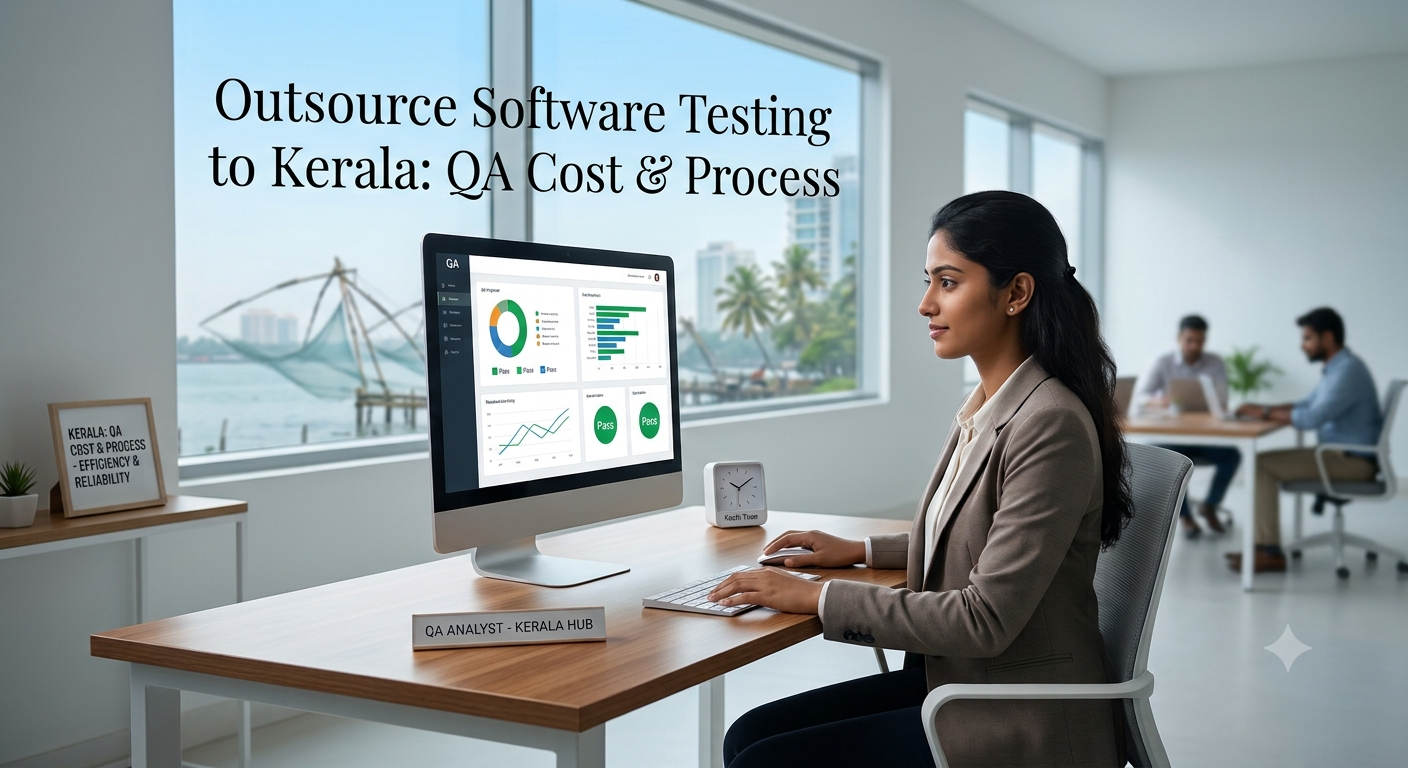
Outsource Software Testing to Kerala: QA Cost & Process
Planning to outsource QA? See what manual and automation testing cost in Kerala, how the process works, and which questions to ask vendors before you sign.
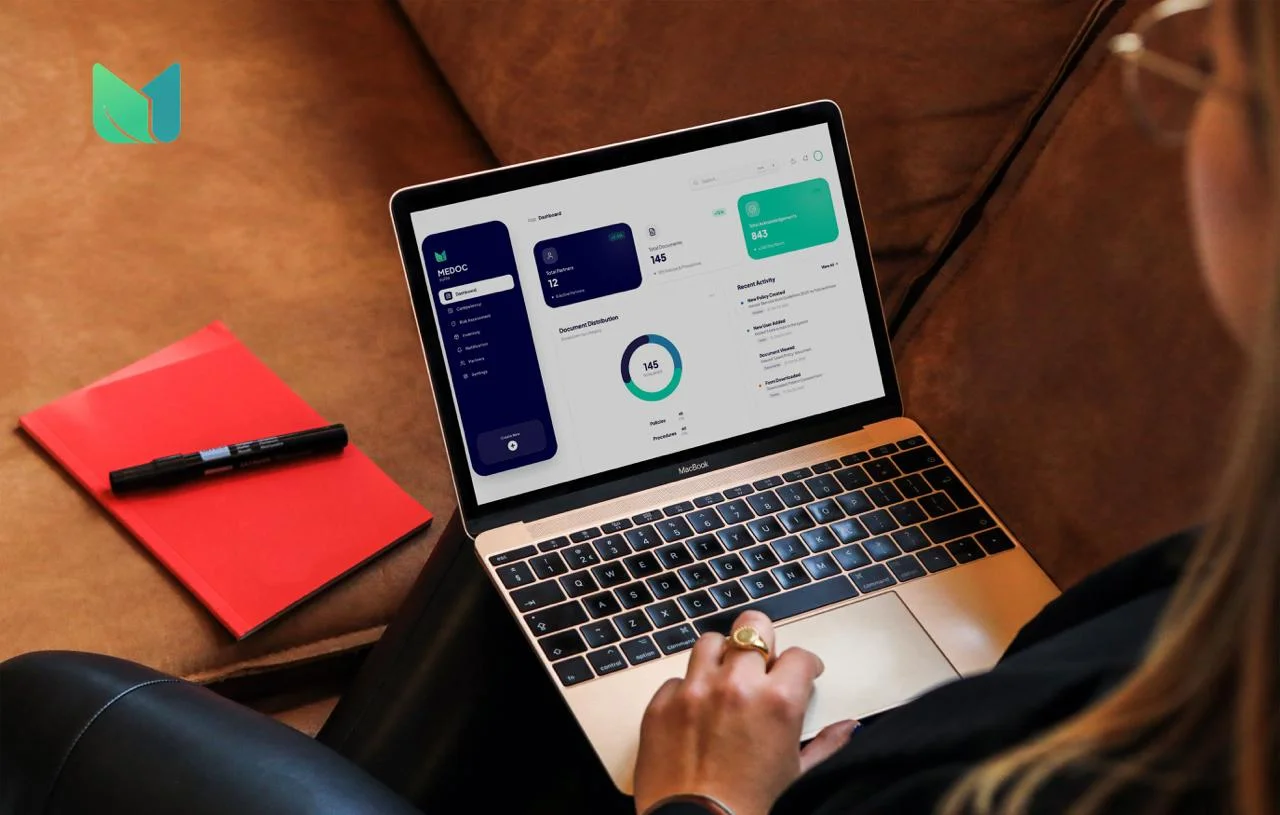
Case Study: Medoc Suite Platform by CODO AI
Scattered records, tricky scheduling and slow billing cost healthcare teams hours every week. See how CODO AI approached Medoc Suite, from discovery to launch, and what a single healthcare platform can change for your clinic.
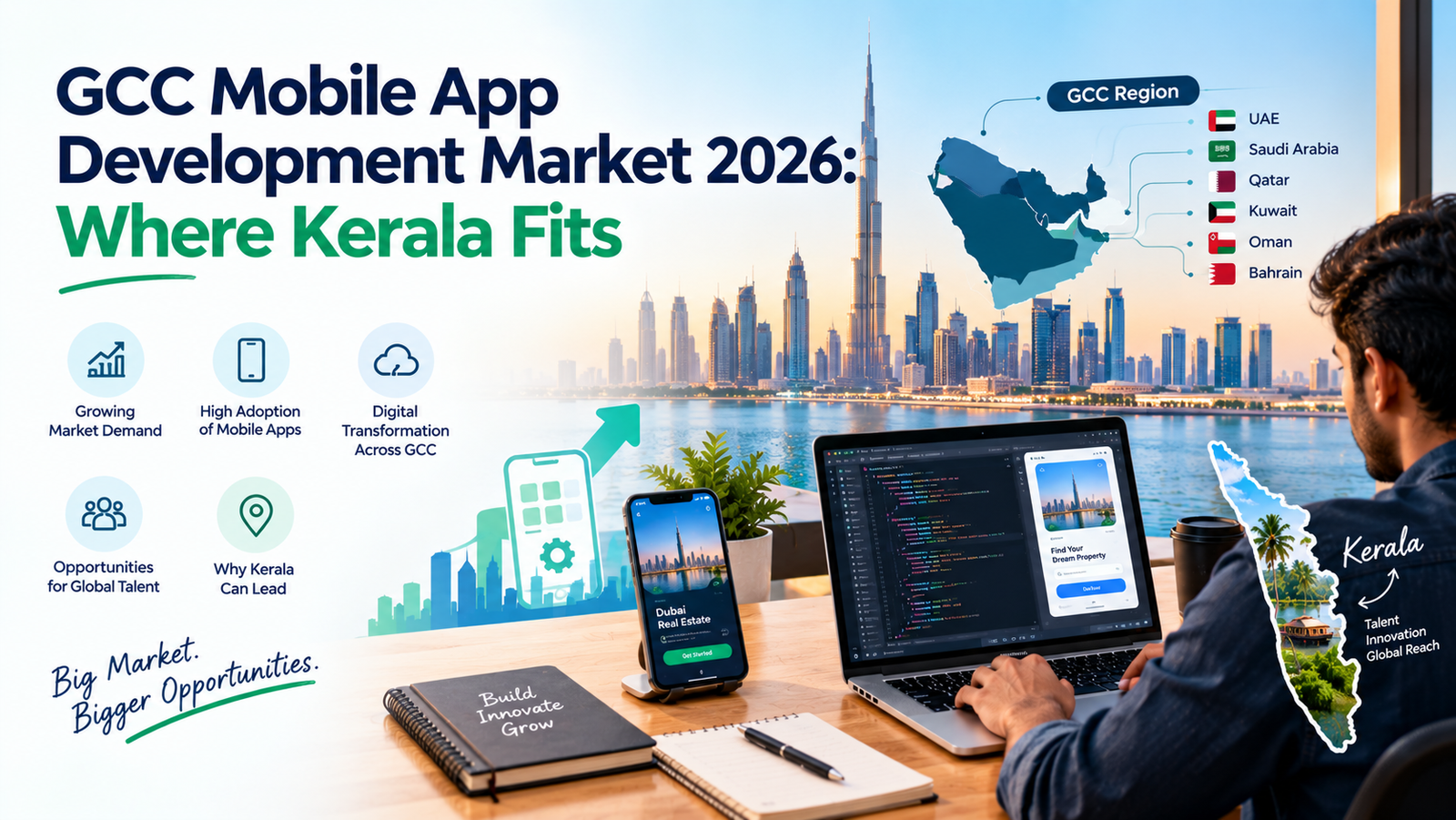
GCC Mobile App Development Market 2026: Where Kerala Fits
Gulf businesses are moving payments, services and shopping onto the phone. See where GCC mobile app demand is heading in 2026, what buyers expect, and why Kerala teams are winning Gulf projects on cost and time-zone overlap.