
Back to Journal
AI & Automation
19 November 202610 min read
AI Chatbot for Ecommerce: Recover Carts on WhatsApp (GCC)
F
Fathima Nidha Nk
SEO Specialist
Fathima Nidha Nk
SEO Specialist
How GCC online stores use an AI WhatsApp chatbot to answer product questions, recover abandoned carts and handle order status. Setup and cost.
It is 11:40 pm in Dubai. A shopper adds a pair of sneakers to the cart, hesitates over delivery time, and closes the tab. By morning she has forgotten the store exists. Your ad money paid for that visit, and nothing came back from it.
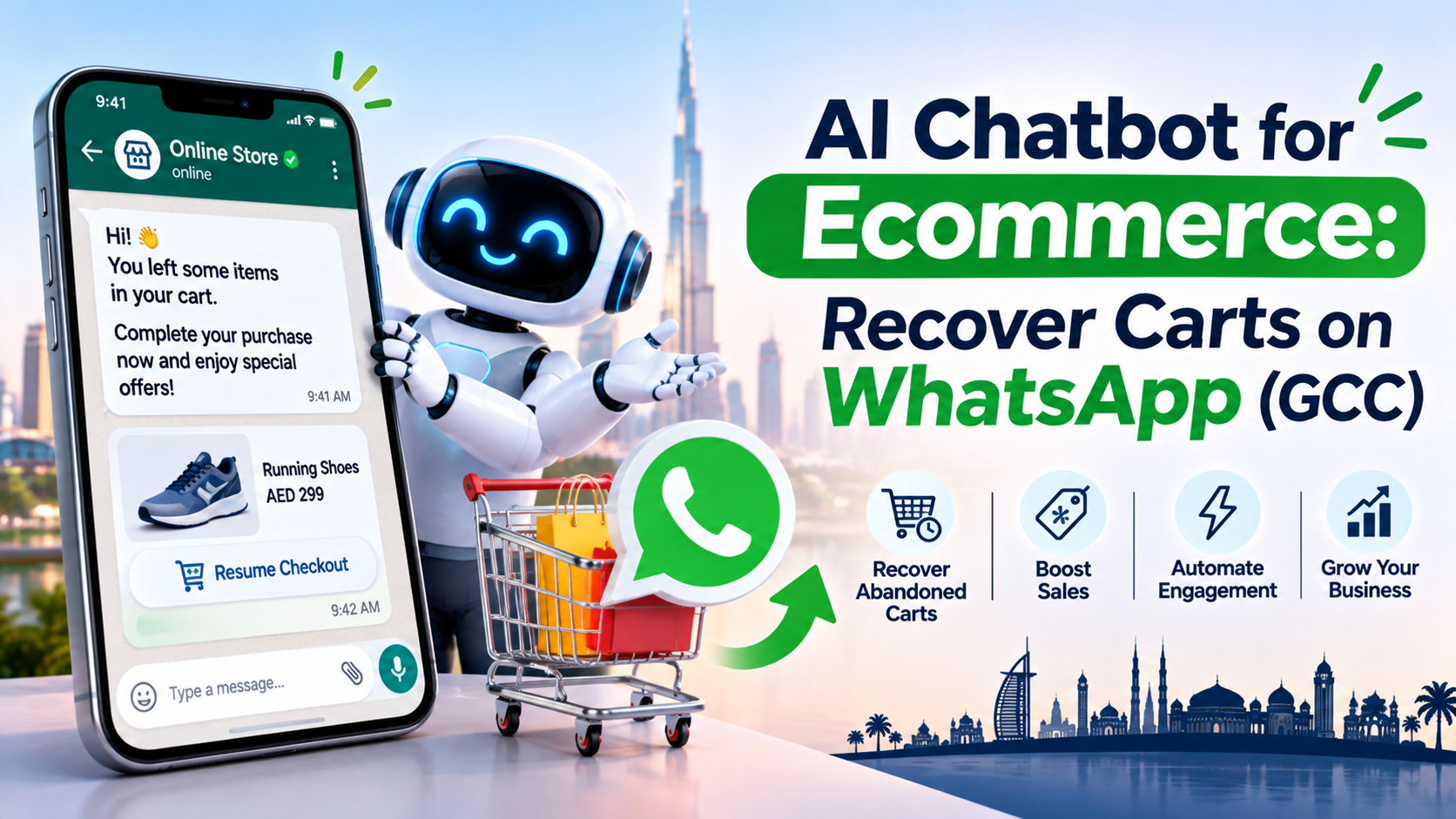
Now imagine a different ending. Within an hour she gets a friendly WhatsApp message: "Still thinking about the white sneakers? They ship tomorrow to Dubai Marina. Want me to hold your size?" She replies with one question, gets an instant answer, and checks out from a link inside the chat.
That second ending is what an AI chatbot for ecommerce can deliver, and in the Gulf, where customers already live inside WhatsApp, it is one of the most practical upgrades an online store can make. This guide explains how it works, what it can handle, what it costs, and how to set it up without annoying your customers.
In this guide: why WhatsApp suits GCC shoppers, what the chatbot does, a sample cart recovery flow, rules you must follow, cost factors, a launch plan and FAQs.
Email gets buried. Push notifications get switched off. WhatsApp, on the other hand, is where UAE, Saudi and Qatari shoppers already talk to family, friends and, increasingly, brands. Messages feel personal, they get opened quickly, and a reply takes one tap.
Gulf shoppers also tend to ask questions before they buy: Is cash on delivery available? Can I get it by Friday? Does this come in a bigger size? Phone calls are slow and web forms feel cold. A chat feels natural, and that is exactly where an AI assistant earns its keep.
The bigger business problem sits at checkout. The Baymard Institute, which tracks checkout research, puts average cart abandonment at roughly seven out of ten carts. Even recovering a small share of those carts can move monthly revenue more than another round of paid ads.
An older "chatbot" gave scripted replies and broke the moment a customer typed something unexpected. A modern AI chatbot understands natural language, including mixed English and Arabic, and answers from your real product and policy data. Here are the jobs it can take over.
Answer product questions instantly Sizes, materials, stock, colours, warranty, compatibility. The bot reads your catalogue and replies in seconds, at 2 am as easily as 2 pm, so questions stop turning into lost sales.
Recover abandoned carts When a shopper leaves items behind, the bot sends a polite reminder with the cart contents and a direct checkout link. It can also answer the hesitation that caused the exit, which is where it beats a plain reminder email.
Handle order status "Where is my order?" is often the most common support question. The bot connects to your order system, shares tracking updates and reduces the load on your support team.
Recommend products Ask a shopper what they need, and the bot can suggest a matching item or a useful add-on. Done well, it feels like a helpful shop assistant, not a pushy pop-up.
Hand over to a human Complaints, high-value orders and unusual requests should go to a person. A good bot recognises its limits and passes the full chat history to your team so the customer never repeats themselves.
Here is what a simple, respectful recovery flow looks like in practice.
Store (1 hour after abandonment): Hi Sara, you left a few items in your cart. Need help finishing your order?
Sara: Is cash on delivery available in Sharjah?
AI assistant: Yes, COD is available in Sharjah for orders under the set limit. Delivery is usually 1 to 2 days. Want me to send your cart link?
Sara: Yes please.
AI assistant: Here you go. I have kept your size reserved for 30 minutes.
Notice what is missing: no wall of text and no endless discount spam. The bot solved the doubt and made checkout easy. For stores that want a second nudge, a follow-up the next day can mention a small incentive, but only if your margins allow it.
Want to see this running on a store like yours? Book a short demo and we will show a cart recovery flow built around your catalogue.
WhatsApp rewards businesses that respect customers and penalises those that spam. Before you launch, keep these points in mind.
Use the official WhatsApp Business API. Unofficial tools that automate personal numbers risk bans. Our explainer on the WhatsApp Business APIcovers how access works.
Get opt-in first. Collect permission at checkout or sign-up before sending proactive messages.
Use approved templates. Messages sent outside the 24-hour customer reply window must use templates approved by Meta.
Make opting out easy. A simple "reply STOP" protects your number quality and your brand.
Respect local data rules. Store only what you need and check the privacy requirements in your target country.
Meta changes its messaging rates from time to time, so confirm the current price list on its official pricing page when you plan your budget.
Exact figures depend on your catalogue size, order volume and integrations, so be wary of any agency quoting a flat price without asking questions. In practice the cost breaks into three parts.
| Cost component | Type | What drives it |
|---|---|---|
| Build and integration | One-time | Store platform, catalogue sync, order system link, languages, conversation design |
| Platform and WhatsApp access | Monthly | Provider plan, number of agents, features used |
| Message charges | Usage-based | Meta's per-message rates, which vary by message type and country |
| Improvement and support | Ongoing | Reviewing chats, updating answers, adding new flows |
To understand the wider picture, read our breakdown of AI automation cost, which explains how to budget before you commit. The simplest test is this: if the chatbot recovers a handful of extra orders each month, does that cover the monthly running cost? For most active stores, the answer is worth checking early.
A smart assistant cannot fix a slow, confusing website. If product pages are missing sizes, shipping information is hidden, or checkout takes six steps, the bot will spend its time apologising for gaps. Before you invest, check the basics.
If you are still planning or rebuilding your shop, our guide to ecommerce website development cost helps you plan a store that is ready for automation, and ourcustom website development team can build it with chat in mind from day one.
Do not judge the bot by how clever it sounds. Judge it by the numbers that matter to your store.
An AI WhatsApp chatbot makes the most sense if you get regular customer questions, see a high share of abandoned carts, or spend real time answering "where is my order?" Very small shops with a handful of orders a week may do fine with the free WhatsApp Business app for now, and add automation as they grow.
If you want to see what a finished project looks like before deciding, browse ourportfolio, or read more practical guides on the CODO AI blog.
Stop letting abandoned carts walk away. Talk to our team and get a clear plan, timeline and cost range for your store.
Every abandoned cart is a customer who already wanted something from you. They just needed an answer, a nudge or a little reassurance. An AI chatbot on WhatsApp delivers that in the channel your Gulf customers already use all day.
Start with one clear flow, respect opt-in rules, and let the data guide your next step. When you are ready, our team will help you build it properly.
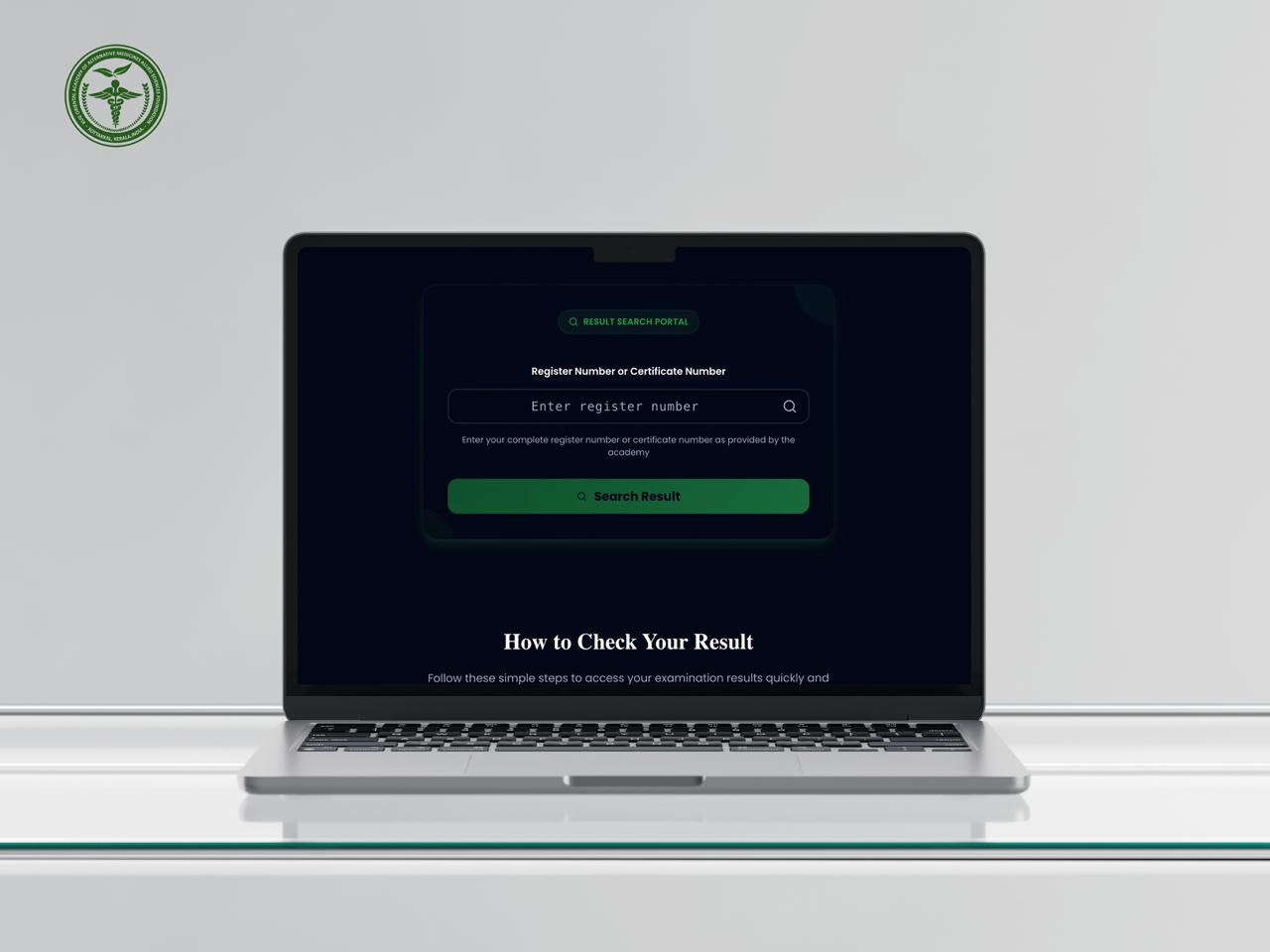
How CODO AI built the KUG Result Publication Portal in 3 months: Next.js, MySQL and a build made for result-day traffic spikes.
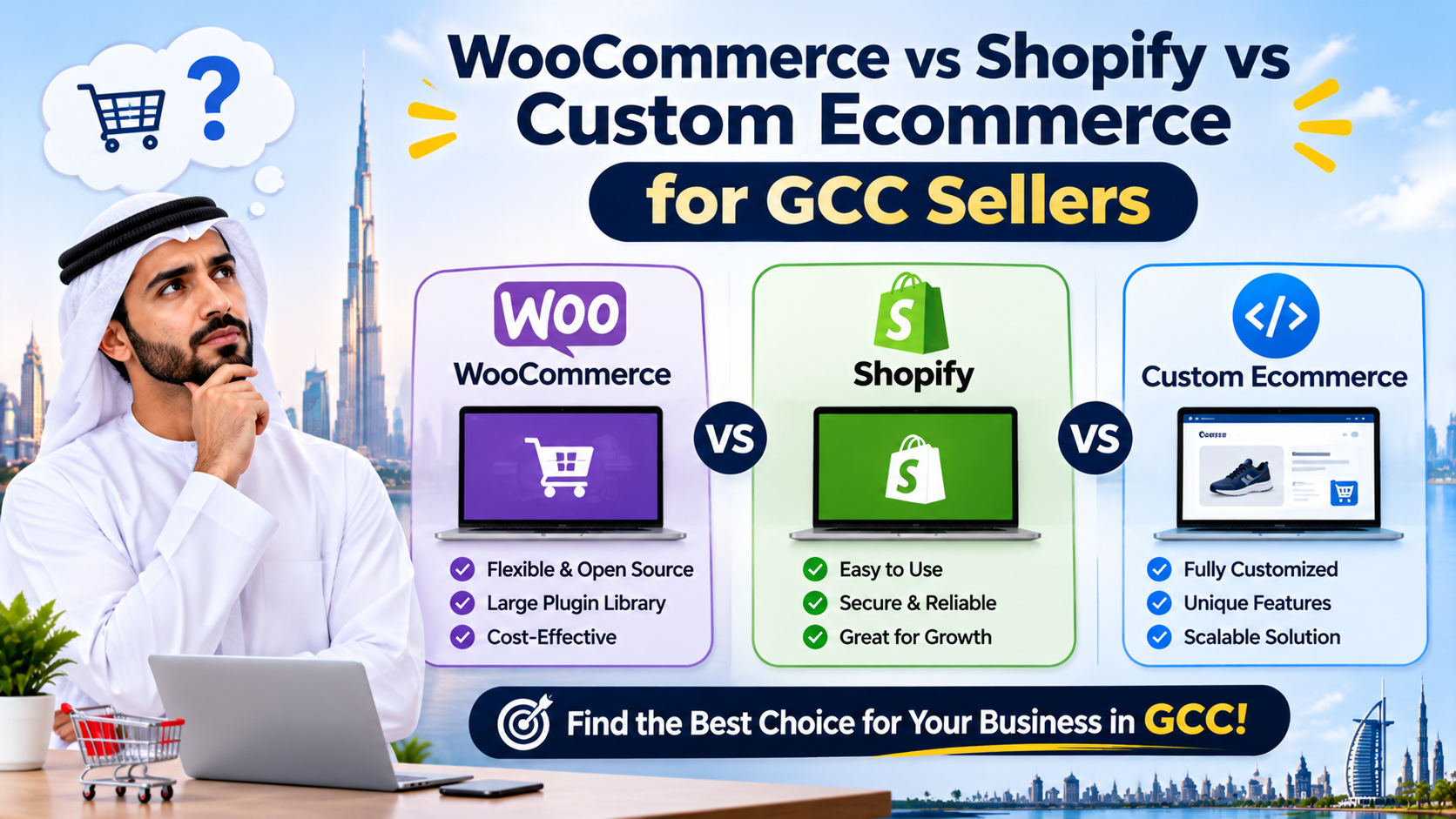
Compare WooCommerce, Shopify and custom builds for Gulf stores. See what each costs, how it handles Arabic and local payments, and which fits your stage.
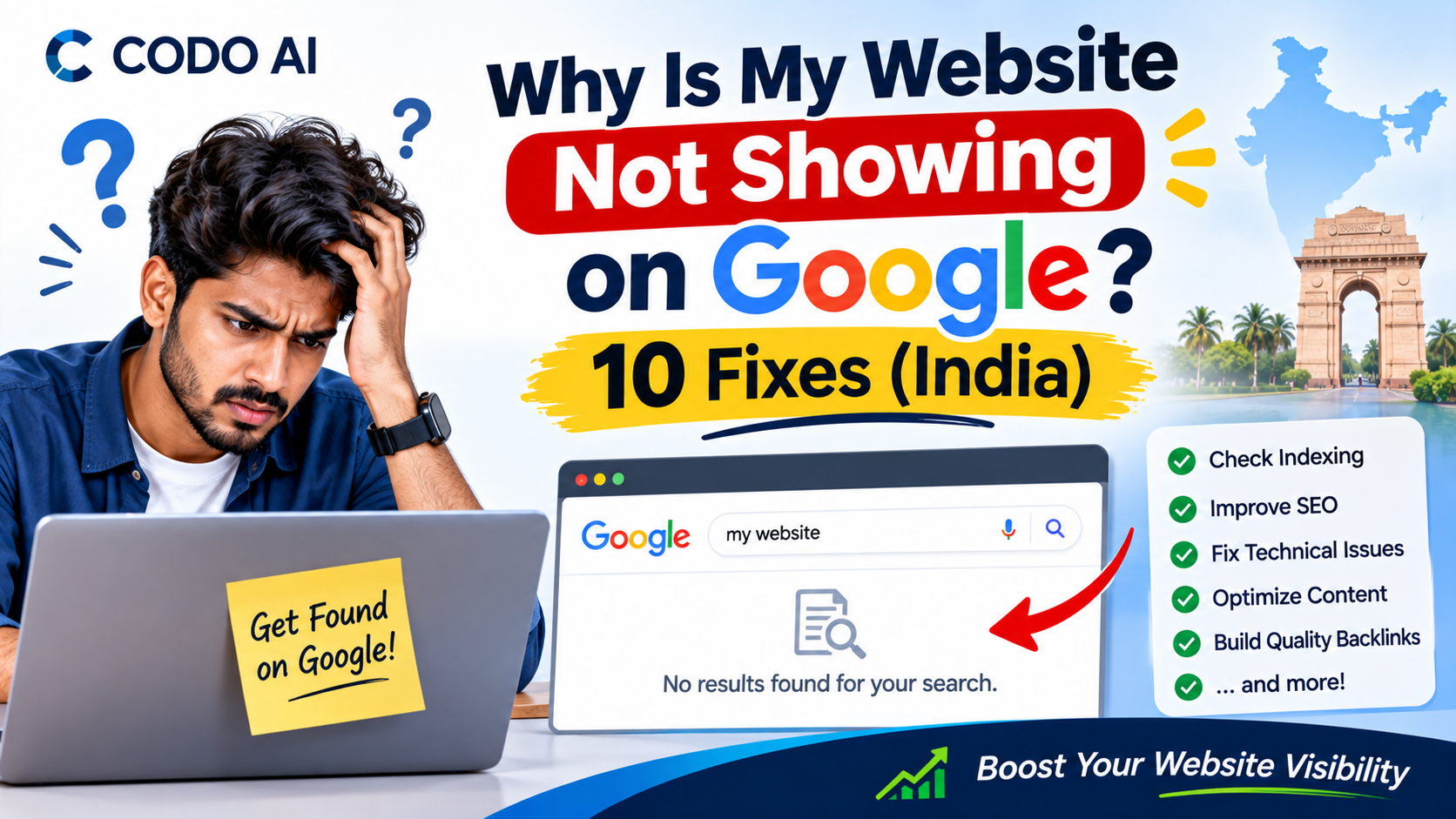
Website not showing on Google? Run a 60-second check to see whether it’s an indexing or a ranking problem, then work through 10 fixes: noindex tags, robots.txt, Search Console, thin content, technical errors, penalties and more.