
Back to Journal
Case study
21 November 20266 min read
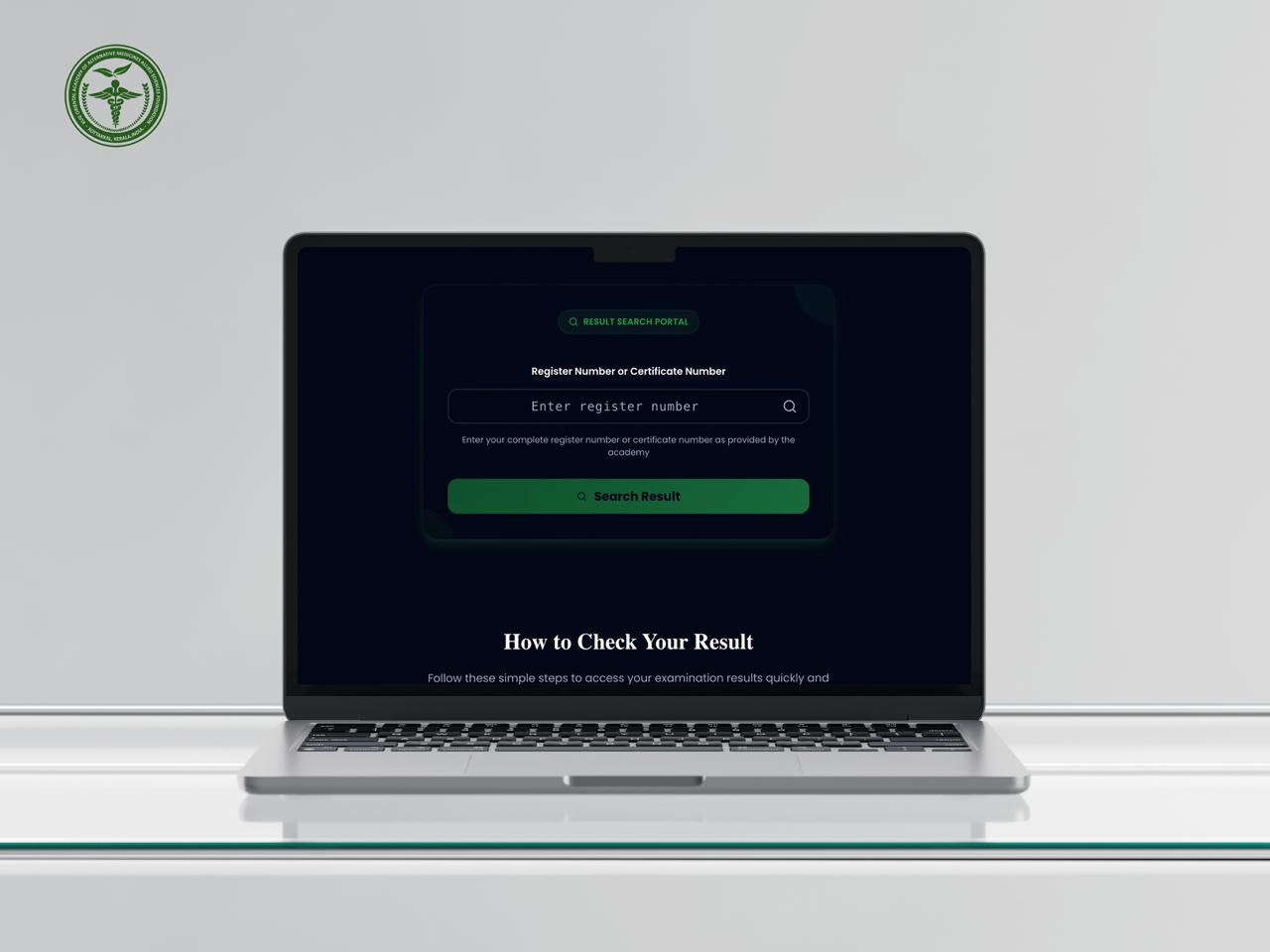
Case Study: KUG Result Publication Portal by CODO AI
F
Fathima Nidha Nk
SEO Specialist
Fathima Nidha Nk
SEO Specialist
How CODO AI built the KUG Result Publication Portal in 3 months: Next.js, MySQL and a build made for result-day traffic spikes.
Result day is the most stressful day on an academic calendar. Thousands of students open the same page at the same minute, refresh it again and again, and expect their marks to appear instantly. If the site slows down or fails, the institution hears about it within minutes. This is the story of how we built a portal for exactly that moment.
| Client | KUG Academic Group |
|---|---|
| Project | KUG Result Publication Portal |
| Type | High-traffic web platform |
| Timeline | 3 months |
| Stack | Next.js, MySQL, Tailwind CSS |
| Core challenge | Staying fast and stable when traffic spikes on result publication day |
KUG Academic Group needed a dedicated platform to publish exam and performance results. The system had to fetch large student datasets, verify each record and display the correct result to the right student, in real time, while thousands of people used it together.
That sounds simple until you look at how the traffic behaves. A normal website sees visitors spread across the day. A result portal sees almost nobody for weeks, then a huge crowd all at once. The brief was clear: no slow pages, no crashes and no wrong results on the one day that matters most.
Most sites are built for average traffic. Result portals have to be built for the peak. Three problems tend to show up together.
Sudden concurrency. When results go live, thousands of requests hit the database at the same moment. Without careful design, queries queue up, pages hang and users keep refreshing, which makes it worse.
Sensitive data. Every lookup touches personal academic records. The system must return only the matching student's result and nothing else, which makes secure data queries a requirement rather than a feature.
Administrative pressure. The staff publishing results need reliable tools to load data and export reports quickly, because they are working against a deadline too.
Our team focused the build on three deliverables that map directly to those problems.
Concurrent load balancing. The platform was engineered to share heavy traffic across resources so that no single point carries the whole crowd. The goal was a portal that keeps responding when everyone arrives together.
Secure data queries. Student lookups were designed to fetch and verify only the requested record. Careful query handling protects privacy and keeps responses quick, even with large datasets behind the scenes.
Real-time CSV export. Administrators can export result data as CSV straight away, which saves hours of manual work when reports are needed for departments, audits or follow-up.
We built the front end with Next.js, which suits pages that must load fast and serve many visitors. MySQL handles structured student records reliably, and Tailwind CSS kept the interface clean and consistent on mobile phones, where most students check their results. If you are comparing options for a similar build, our custom website development team can explain how stack choices affect speed and cost.
As recorded on the KUG Result Publication Portal project page, the build delivered measurable gains:
94% Performance score 3x Faster load time +40% Conversion lift A 94% performance score means the pages are lean and well optimised. Loading three times faster means students see their results sooner and refresh less, which also lowers pressure on the system. The conversion lift shows that more visitors completed what they came to do.
Design for the peak, not the average. Plan for your busiest hour and the rest of the year takes care of itself.
Treat privacy as part of performance. Secure queries and fast queries usually come from the same careful engineering.
Give staff proper tools. Exports, admin controls and clean data flow save as much time as a fast front end.
Test before the big day. A portal that has never seen a crowd is a risk. Load planning belongs in the project from week one.
The same thinking applies to admission portals, fee payment systems, hall ticket downloads and any platform where thousands of people arrive together. Many of these also need connected tools, such as custom software developmentfor internal workflows, or mobile app developmentso students and parents can check updates from their phones. For repetitive tasks like enquiry handling and notifications, AI solutions and automation can reduce the load on your staff.
A strong digital presence also depends on how you present yourself. Our branding and identity and digital marketing services help institutions look credible and reach the right students. You can browse more of our work in theCODO AI portfolio, including the Klashra case study, or see our full list of web and app development services. If you are an institute or business serving the Gulf community, read about our Gulf and NRI services.
Planning a portal that must hold up on your busiest day? Tell us what you need to publish, how many users to expect and when you want to launch. We will reply with a clear plan and next steps.

Compare WooCommerce, Shopify and custom builds for Gulf stores. See what each costs, how it handles Arabic and local payments, and which fits your stage.

How GCC online stores use an AI WhatsApp chatbot to answer product questions, recover abandoned carts and handle order status. Setup and cost.

Website not showing on Google? Run a 60-second check to see whether it’s an indexing or a ranking problem, then work through 10 fixes: noindex tags, robots.txt, Search Console, thin content, technical errors, penalties and more.