
Back to Journal
Ecommerce
20 November 20269 min read
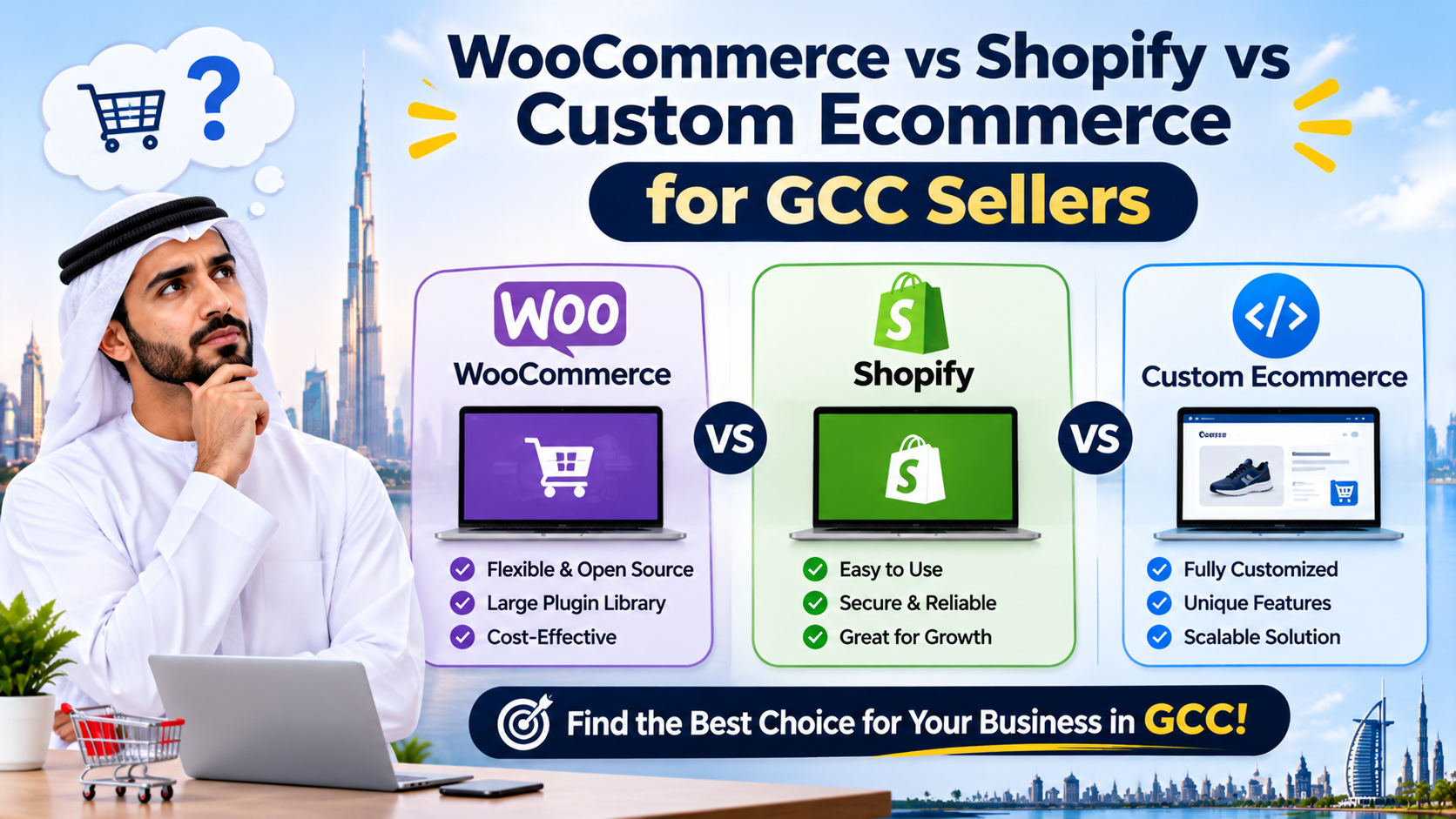
WooCommerce vs Shopify vs Custom Ecommerce for GCC Sellers
F
Fathima Nidha Nk
SEO Specialist
Fathima Nidha Nk
SEO Specialist
Compare WooCommerce, Shopify and custom builds for Gulf stores. See what each costs, how it handles Arabic and local payments, and which fits your stage.
You have a product people want, a customer base in Dubai, Riyadh or Doha, and one nagging question: which platform should the store run on? Pick well and your store grows quietly in the background. Pick badly and you spend your second year paying to escape the choice you made in your first.
The usual “WooCommerce vs Shopify” advice is written for US and UK sellers. It rarely mentions mada cards, Arabic right-to-left layouts, cash on delivery, buy-now-pay-later wallets or the way Gulf shoppers actually behave. This guide does. By the end you will know which option fits your stage, your budget and your market, and what to ask before you sign with anyone.
The 30-second answer: Choose Shopify if you want to launch fast and keep operations simple. Choose WooCommerce if you want ownership and flexibility on a modest budget. Choose a custom build if your business model, integrations or scale have outgrown templates. The details below decide which one is really yours.
Before comparing platforms, write down your market’s non-negotiables. A platform that looks perfect on paper can fail at checkout if it misses these.
Arabic and right-to-left design Arabic is not simply translated English. Layouts must flip, fonts must stay readable and product pages need to feel natural to Arabic readers. Many Gulf shoppers switch between Arabic and English within one visit, so a proper bilingual store is a conversion feature, not decoration.
Local payment methods In Saudi Arabia, mada debit cards are widely used, so a gateway that cannot accept them will see abandoned checkouts. Across the Gulf, shoppers also expect Apple Pay, local wallets and instalment options such as Tabby or Tamara. Cash on delivery remains important for many categories.
Tax, currency and invoicing The UAE and Saudi Arabia apply VAT at different rates, and Saudi Arabia has e-invoicing rules that may need integration. Confirm current requirements for your country with your accountant, then check that your platform can support them.
Delivery and WhatsApp Local couriers, same-day delivery in cities and WhatsApp order updates are normal expectations. Your platform should connect to them without a mountain of workarounds.
Shopify is a hosted platform, which means the technical heavy lifting is handled for you: hosting, security updates, checkout and a clean dashboard. A beginner can have a store live within days.
Where Shopify wins Speed to launch. Themes, product management and checkout work out of the box. Low maintenance. No server patching or plugin conflicts to babysit. Strong app ecosystem. Reviews, subscriptions, email flows and shipping tools install in a few clicks. Where Shopify struggles for Gulf sellers Payments vary by country. Shopify Payments is not available everywhere, and Saudi merchants have typically needed a third-party gateway. Third-party gateways usually add a transaction fee on top of the gateway’s own charges. Always check Shopify’s official supported-countries page before you commit. Arabic needs work. Some themes support RTL, but many need customisation for a polished Arabic experience. Costs creep up. The monthly plan is only the start. Apps, premium themes and transaction fees add up as you grow. Platform limits. Unusual checkout logic, complex wholesale rules or deep ERP links can hit walls. Best for: new sellers, single-brand D2C stores and anyone who values speed over total control.
WooCommerce is a plugin that turns a WordPress website into a store. You host it yourself, so you own the data, the design and the code. It is the most popular open-source ecommerce option worldwide.
Where WooCommerce wins Ownership and control. No monthly platform fee for the software itself, and no one can change your terms. Arabic is natural. WordPress handles RTL well, and mature translation plugins make bilingual stores practical. Gateway freedom. A wide range of regional gateways offer plugins, including Tap, Telr and PayTabs. Content strength. Since it lives inside WordPress, blogging and SEO are first class. Where WooCommerce struggles You are the IT department. Hosting, backups, security and updates are your responsibility. Plugin overload. Ten plugins from ten authors can slow the store or break after an update. Speed needs effort. Cheap hosting plus heavy themes equals a slow checkout, and slow checkouts lose sales. Best for: sellers with a content strategy, bilingual stores on a moderate budget and teams that have a developer on call.
A custom store is designed and coded around your exact business. Instead of bending your process to a template, the software bends to you. It is not the cheapest start, but it can be the cheapest long-term answer for the right business.
Where custom wins Zero platform ceilings. Complex pricing, B2B and B2C in one store, multi-vendor marketplaces and custom checkout flows all become possible. Deep integrations. Connect inventory, ERP, CRM, couriers, WhatsApp and accounting into one clean system. Performance. Modern frameworks can deliver very fast pages tuned for mobile shoppers. Brand uniqueness. Your store looks and feels like nobody else’s. Where custom struggles Higher upfront investment. You pay for design and development before the first sale. Longer timeline. Weeks or months, not days. Dependence on your developer. The quality of the team decides everything, so choose carefully. Best for: established sellers, marketplaces, subscription or B2B models and businesses planning mobile apps or heavy automation. If that sounds like you, explore ourcustom website development and custom software development services.
| Factor | Shopify | WooCommerce | Custom Build |
|---|---|---|---|
| Launch speed | |||
| Upfront cost | |||
| Ongoing cost | Plan + apps + fees | Hosting + plugins + upkeep | Hosting + maintenance |
| Arabic / RTL | Theme dependent | Strong with plugins | Built exactly as needed |
| Local payments | Via gateways, check fees | Wide plugin choice | Any gateway you integrate |
| Flexibility | Medium | High | Unlimited |
| Maintenance effort | Very low | Medium to high | Managed by your tech partner |
| Scaling ceiling | Medium | Medium to high | Very high |
Comparing platforms by the monthly fee alone is the most common mistake. For a fair view, add up four buckets over three years:
Build: design, development, Arabic setup and payment integration. Running: subscription or hosting, themes, apps or plugins, and transaction fees. Upkeep: updates, security, bug fixes and performance tuning. Growth: marketing, conversion work and new features as you scale. A cheap launch with expensive add-ons can cost more after year two than a well-planned build. Ask for a three-year estimate before you decide, and verify current pricing directly with each platform, since plans and fees change often.
Still unsure which platform fits your business? Tell us what you sell and where you sell it. We will recommend the right option, even if it is not a custom build.
Choosing by price alone. The cheapest start often becomes the most expensive year. Treating Arabic as an afterthought. Retrofitting RTL later costs more than planning it on day one. Ignoring payment approval time. Gateway onboarding, trade licence checks and settlement times can delay launch, so start applications early. Skipping branding. A store is a brand experience. A strong identity from ourbranding and identity team lifts trust and conversions on any platform. Launching without a traffic plan. A beautiful store with no visitors is just an expensive brochure. Plan SEO and ads with adigital marketingpartner from the start.
Many Gulf business owners have family, partners or staff in Kerala, and many discover that a Kerala team offers senior engineering at a sensible budget with overlapping working hours. CODO AI Innovations builds for founders across India and the Gulf, and our Gulf and NRI page explains how we work with owners based abroad. You can also see our locations, browse ourportfolio to judge quality yourself, or review the full list ofweb and app development services.
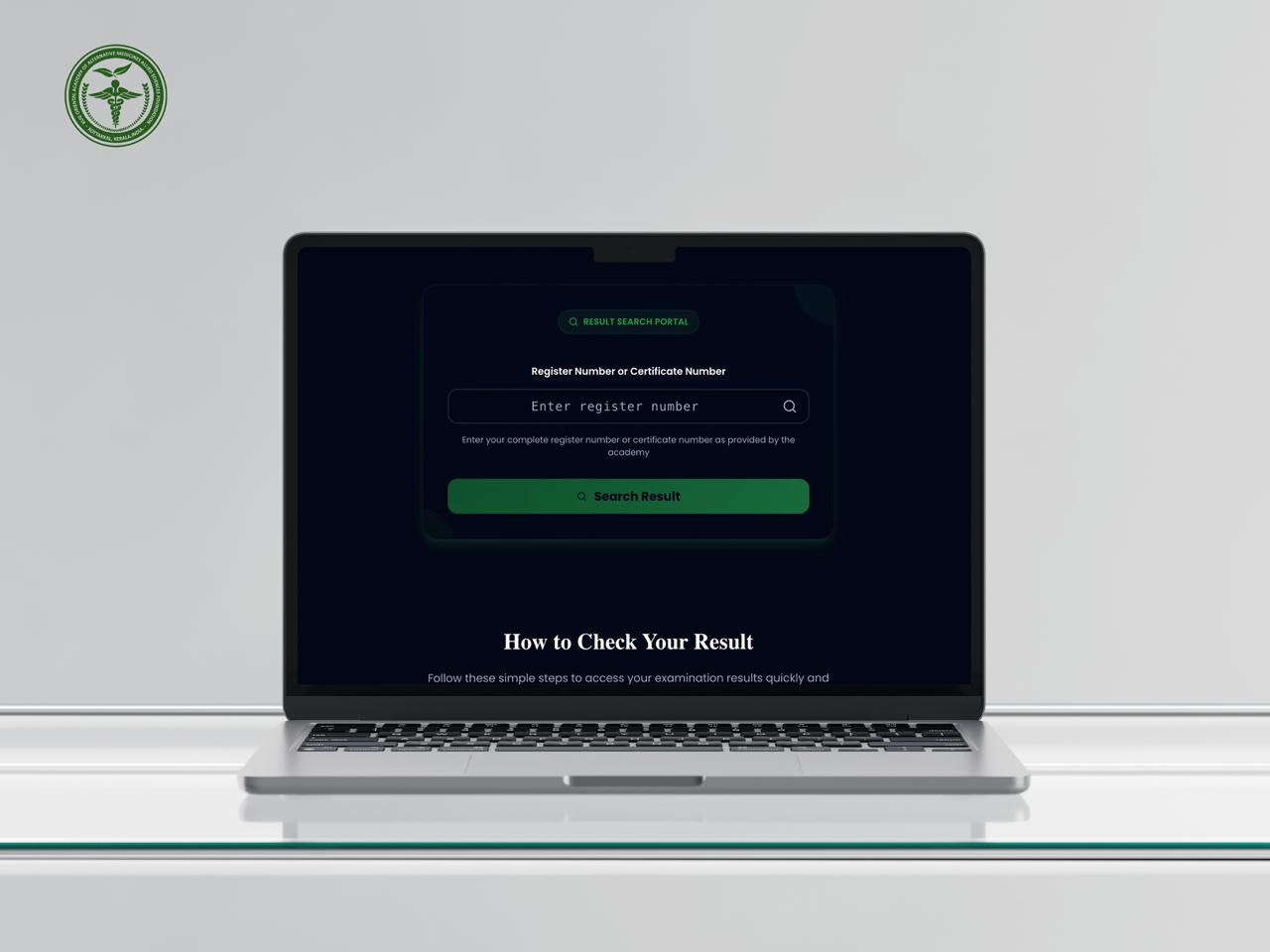
How CODO AI built the KUG Result Publication Portal in 3 months: Next.js, MySQL and a build made for result-day traffic spikes.
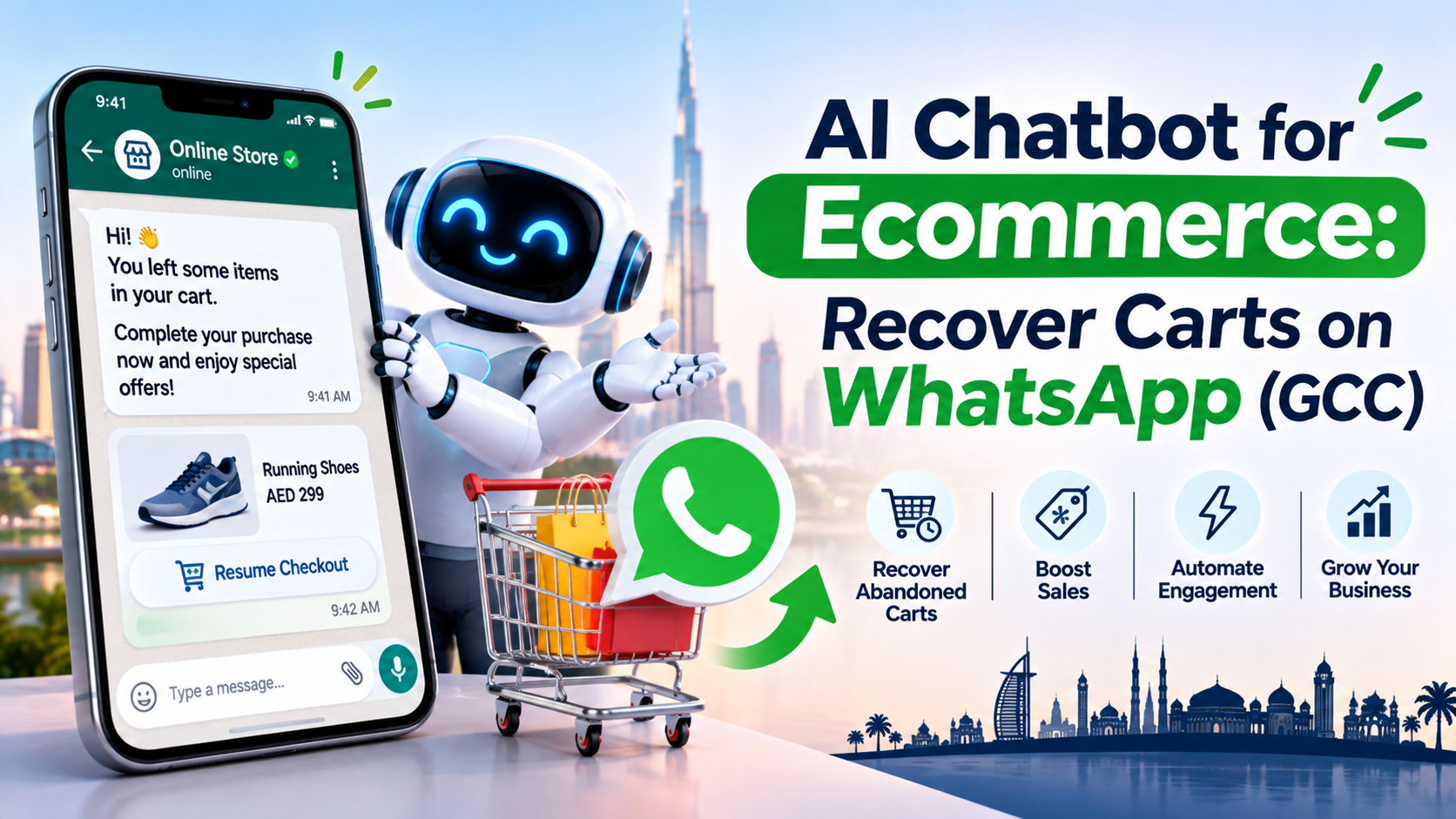
How GCC online stores use an AI WhatsApp chatbot to answer product questions, recover abandoned carts and handle order status. Setup and cost.
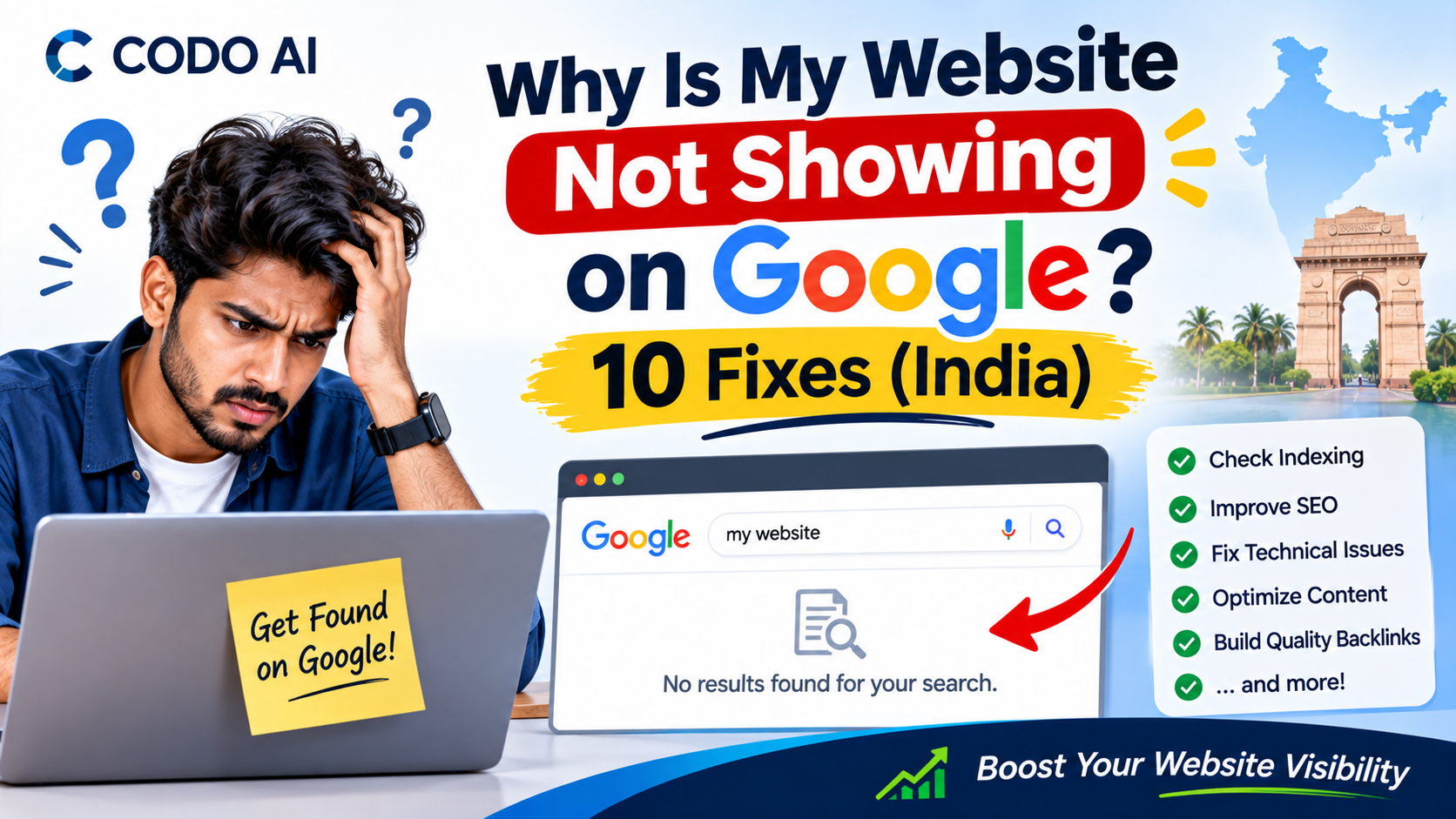
Website not showing on Google? Run a 60-second check to see whether it’s an indexing or a ranking problem, then work through 10 fixes: noindex tags, robots.txt, Search Console, thin content, technical errors, penalties and more.