
Back to Journal
Industry Guides
24 November 20269 min read
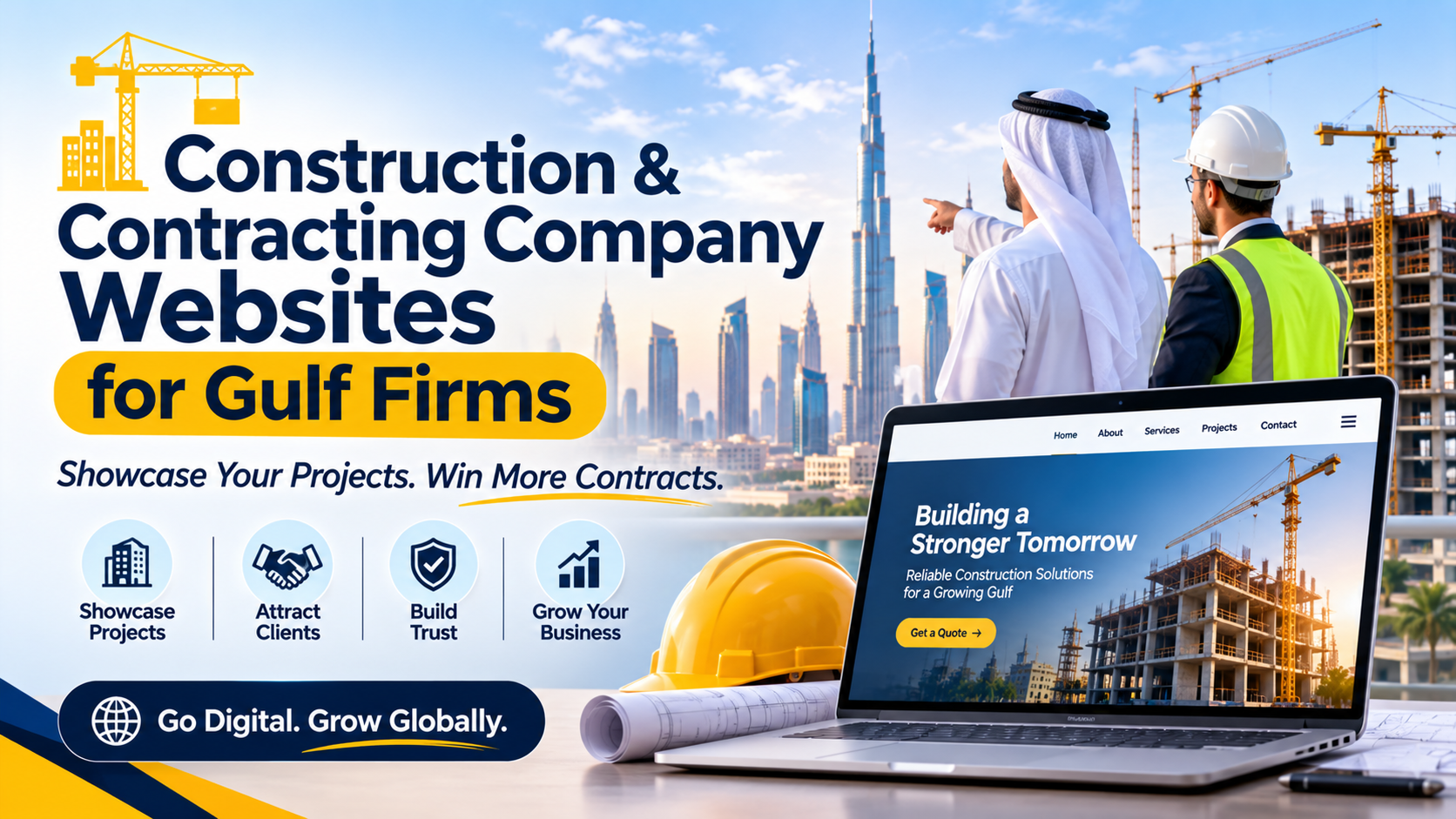
Construction & Contracting Company Websites for Gulf Firms
F
Fathima Nidha Nk
SEO Specialist
Fathima Nidha Nk
SEO Specialist
Contractors win Gulf tenders on credibility. Here’s what a construction company website in the UAE needs: galleries, certifications, enquiry flows.
Your next tender is being decided before anyone calls you.
A procurement manager in Dubai gets your company name from a consultant. Before they pick up the phone, they open Google.
Within about 30 seconds they have decided whether you look like a firm that can deliver a AED 20 million package or a firm that just has a phone number. The deciding factor is rarely your price. It is your credibility on screen.
In the Gulf, construction is relationship-driven, but every relationship now passes through a website first. Consultants, main contractors, developers and facility owners all check you out online. A weak site loses you the invitation to bid, and you never find out.
This guide covers what a construction company website needs to win tenders across the UAE, Saudi Arabia and Qatar, and the mistakes that quietly cost contractors work.
A restaurant site sells a meal. A contractor’s site has to support a high-value, high-risk decision made by several people.
The people reading your site include:
Procurement and tender teams checking prequalification boxes Consultants and project managers judging whether you can handle the scope Developers and owners looking for proof of similar projects Main contractors vetting you as a subcontractor or supplier Each of them wants something different, so a generic brochure site fails. A good construction company website answers every one of those questions without a phone call.
For each project, show:
Project name, location and client type (developer, government, private) Scope of work and your role (main contractor, MEP, civil, finishing) Contract value range and duration, if you can share them Before, during and after photos A short result statement, such as “handed over on schedule” (only where it’s true) Filterable categories help visitors self-select: residential, commercial, industrial, infrastructure, hospitality. A hotel developer should find your hotel projects in two clicks.
The same logic applies if you also do fit-out work. Our team builds portfolio-led sites for exactly this purpose, and you can see how we present project work in our portfolio.
Create a dedicated Credentials page and link it from the main menu. Include, where applicable:
Trade licence and chamber of commerce membership Contractor classification or grading with the relevant authority ISO 9001 (quality), ISO 14001 (environment) and ISO 45001 (health and safety) Approvals relevant to your emirate or country Insurance and safety record summary A downloadable company profile PDF that procurement teams can forward internally Make sure the PDF is optimised for size. A 40 MB profile that won’t open on a phone defeats the purpose.
Build separate paths for:
Request for tender / invitation to bid Subcontractor or supplier registration General project enquiry Careers Ask the questions that help you qualify the lead: project type, location, estimated timeline and budget range. Then route each request to the right person automatically, so a tender enquiry never sits in a general inbox for three days.
Add a visible WhatsApp button too. In the Gulf, decision-makers often prefer a quick message over a form, and it shortens your response time dramatically.
Do it properly:
Use true right-to-left (RTL) layouts, not mirrored English text Have a native Arabic writer produce the copy rather than relying on machine translation alone Use hreflang tags so Google serves the right language to the right user 5. Fast Mobile Performance Site managers, consultants and owners review contractors on their phones, often between meetings or on a site visit with patchy signal. Heavy sliders and uncompressed photo galleries will lose them.
Modern frameworks, image compression and lazy loading keep a photo-heavy site quick. Speed is also a Google ranking factor, so it helps both conversion and visibility.
Your site should have:
Service pages for each core capability (civil, MEP, finishing, renovation, maintenance), each with its own keywords and project examples Location pages for the cities you actually serve A properly built Google Business Profile that links back to your site Structured data (schema) so your company details appear correctly in search Our digital marketing team handles this kind of search-led growth for service businesses.
Stock photos instead of real projects. Procurement teams spot them instantly. No dates or outcomes on projects. Without them, a gallery proves very little. Outdated information. An expired certification or a “© 2019” footer signals neglect. A site built on a cheap template. It looks like every competitor and is slow to update. No tracking. If you can’t see which pages tender teams visit, you can’t improve.
Once your site is generating enquiries, the next bottleneck is internal. Many contractors still manage tenders, subcontractor registrations and project documents through email and spreadsheets.
This is where custom tools pay off:
A tender and enquiry tracker that logs every request and its status A subcontractor portal where suppliers upload licences and documents Client portals for project updates and document sharing AI assistants and workflow automation that answer routine questions, sort enquiries and send follow-ups Our custom software development and AI solutions and automation teams build these systems around how your business actually runs. If your site managers need field tools, we also build mobile applications for site reporting and approvals.
Two contractors with identical credentials can look very different on screen. A strong identity (logo, colours, typography, document templates) makes a mid-sized firm look established. Our branding and identity work often goes hand in hand with a new website, so your tender documents, profile and site all look consistent.
Many Gulf businesses are owned or run by Malayalis, and many have a strong link back to Kerala. Working with a Kerala-based digital team has practical benefits:
Overlapping working hours with the Gulf, so you get same-day responses Strong engineering talent at more efficient cost than most Gulf agencies Cultural familiarity with how Gulf businesses operate and communicate CODO AI Innovations works with Gulf and NRI business owners, and you can learn more on our Gulf & NRI page. We also have details of the regions we cover on our locations page.
Before commissioning a new site, gather:
Your best 8–12 projects with photos, scope and basic facts Current certificates, licences and your company profile A list of services you want to rank for The markets you want to win (UAE, Saudi, Qatar, or all three) Your target client types (developers, government, main contractors) With this ready, a professional team can move quickly. You can explore our full range on theservices page, or see how we build custom websites around business goals instead of templates.
You already do the hard part: delivering real buildings on real deadlines. Your website should make that obvious to every consultant, developer and procurement manager who looks you up.
Don’t leave your next tender to a site that undersells you.
We’ll look at your current site, show you where you may be losing credibility, and suggest what to fix first. There’s no obligation, and you’ll leave with a clear action list whether or not we work together.
You can also browse our recent project work before you reach out.
Comparing software development companies across Kerala? How Trivandrum, Kochi and Calicut differ on talent, cost and fit for Gulf clients.
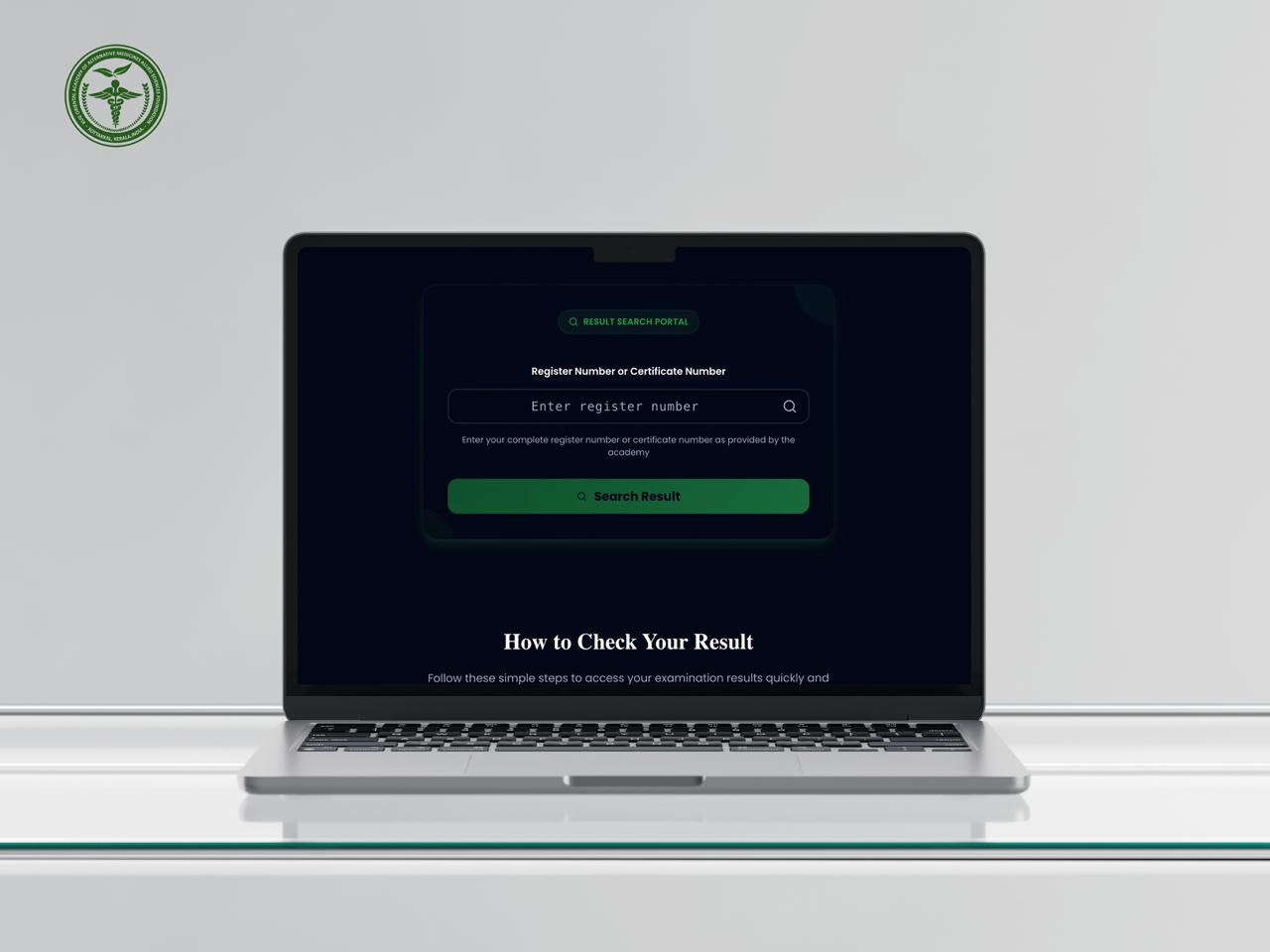
How CODO AI built the KUG Result Publication Portal in 3 months: Next.js, MySQL and a build made for result-day traffic spikes.
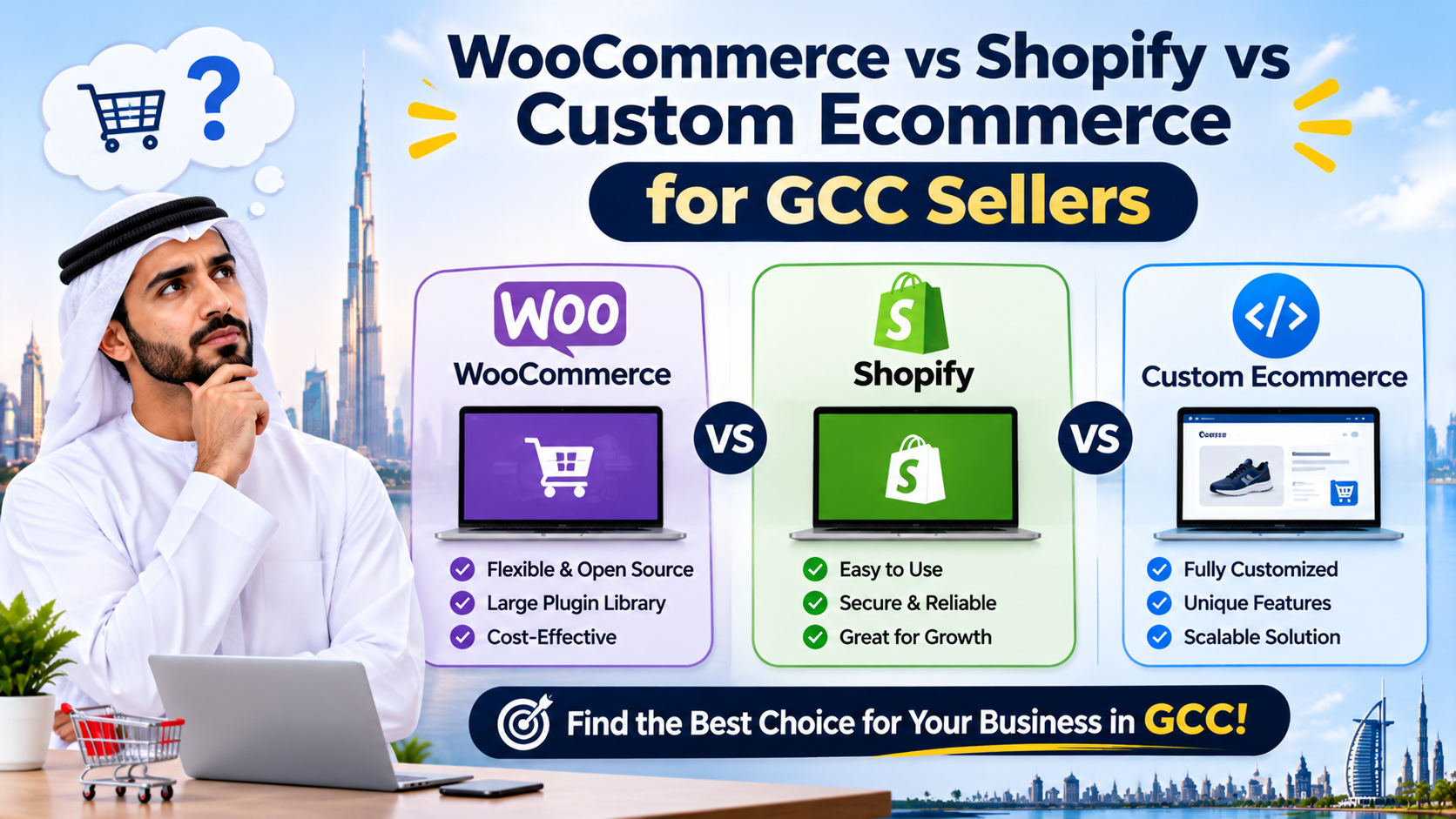
Compare WooCommerce, Shopify and custom builds for Gulf stores. See what each costs, how it handles Arabic and local payments, and which fits your stage.