

How to Build an Ecommerce Website in Kerala (2026 Guide) | CODO AI
Planning an online store in Kerala or from the GCC? Here's the real step-by-step process, costs, and platform choices — explained by the team that builds them.
How to Build an Ecommerce Website in Kerala
Every second shop owner in Kerala has had this thought at some point: "Why am I not selling online yet?" Whether you run a textile business in Thrissur, a spice export unit in Kochi, a jewellery brand in Kozhikode, or you're a Malayali entrepreneur in Dubai or Doha planning to launch a store that ships back home — the question that follows is always the same. How do you actually build an ecommerce website that works, without getting overcharged, under-delivered, or stuck with a site that looks fine but never converts a single sale? This guide walks through the real process — not a marketing pitch, but the actual steps, decisions, and costs involved in building an ecommerce website in Kerala in 2026, written by a team that builds these websites for a living.
Step 1: Get Clear on What Kind of Ecommerce Site You Actually Need
Before any design or development conversation, the first decision is scope — and this is where most first-time store owners get it wrong. There are three broad categories:
A simple product catalogue with WhatsApp/COD checkout — good for businesses testing the waters, low product count, mostly local delivery. A full online store with payment gateway, inventory, and shipping integration — needed once you're serious about scale, multiple categories, and pan-India or GCC shipping. A custom-built platform — needed when your business model doesn't fit standard ecommerce (subscriptions, marketplaces, B2B ordering, bulk pricing tiers). Most Kerala businesses starting out actually need option two, not option three — and a lot of money gets wasted when agencies push custom development for a business that would be perfectly served by a well-configured standard platform. Getting this decision right on day one saves both budget and time. Our custom website development page breaks down how we scope this conversation with clients before any code gets written.
Step 2: Choose the Right Platform for Your Business Size
This is the single most consequential decision in the entire process, and it depends entirely on your catalogue size and growth plan. Shopify works well if you want to launch fast, don't want to manage server infrastructure, and are comfortable with a monthly subscription cost. It's the most common choice for Kerala fashion, jewellery, and lifestyle brands selling to both India and the GCC. WooCommerce (WordPress) is a strong choice if you want more control over cost long-term and already have — or want — a WordPress-based site for content and SEO. It needs more setup care but avoids recurring platform fees. Custom-built ecommerce (using a framework rather than a pre-built platform) makes sense only when your business has requirements a standard platform can't handle — multi-vendor logic, complex pricing rules, or integration with an existing inventory or ERP system. There's no universally "best" platform — there's only the right platform for your catalogue size, budget, and growth plan. This is a conversation worth having before any design work starts, not after.
Step 3: Plan the Structure Before the Design
A common mistake: business owners jump straight to "make it look premium" before anyone has mapped out how a customer actually moves through the site. Before design, you need: A clear category structure (not too deep, not too flat) A product page template that answers every question a buyer would ask before purchasing A checkout flow with as few steps as possible — every extra step loses customers A mobile-first layout, because for most Kerala and GCC audiences, mobile traffic dominates significantly over desktop Skipping this step is why so many ecommerce sites look good but sell poorly — the structure decides conversion, the design decides trust.
Step 4: Design for Trust, Not Just Looks
For Kerala and GCC customers specifically, trust signals matter more than visual polish. A customer buying gold-plated jewellery or premium spices online for the first time is looking for reassurance, not just aesthetics. That means: Clear return and refund policy visible before checkout, not buried in footer links Real product photography, not stock images Visible delivery timelines — especially important for GCC customers ordering products shipped from Kerala Customer reviews and ratings displayed prominently, not hidden8 This is where a lot of budget websites fail — they focus entirely on visual design and skip the trust architecture that actually drives Malayali buyers, both in Kerala and across the GCC diaspora, to complete a purchase. Our branding work with ecommerce clients focuses specifically on this — making sure the visual identity reinforces trust rather than just looking premium.
Step 5: Set Up Payments for Both Indian and GCC Customers
If you're selling only within India, integrating a standard Indian payment gateway (Razorpay, PayU, or similar) with UPI, card, and COD options covers most of the market. But if you're a GCC-based Malayali entrepreneur — or a Kerala business shipping to UAE, Saudi Arabia, Qatar, Oman, or Kuwait — you need to plan for: International card acceptance and currency display GCC-specific payment methods where relevant Clear customs/duty messaging so GCC customers aren't surprised at delivery Shipping cost calculation that accounts for cross-border logistics, not just local delivery This is one of the most overlooked steps in ecommerce builds for the Kerala-GCC corridor, and getting it wrong quietly kills conversion from your highest-value customer segment — NRI buyers who often spend more per order than domestic customers.
Step 6: Build for Speed and Mobile Performance
A beautifully designed ecommerce site that takes six seconds to load on a mobile network will lose the majority of visitors before they see a single product. Page speed directly affects conversion rate and Google ranking. Practical steps that matter: Image compression without visible quality loss Minimal, purposeful use of animations and heavy scripts A hosting setup suited to your actual traffic, not over- or under-provisioned Testing on real mid-range Android devices, not just the latest iPhone — since that's what most of your actual customers are browsing on
Step 7: Get the SEO Foundation Right From Day One
Too many ecommerce sites are built first and "optimised for SEO" months later — by which point a lot of avoidable damage is already done. The foundation should be in place before launch: Product page URLs and meta titles structured around actual search terms your customers use Category pages built to rank for broader search intent, not just individual product searches Proper technical setup — sitemap, structured data for products, mobile usability A blog or content section planned from the start, so you're not retrofitting SEO content later If you want to understand how the ranking side of this works in more depth, our guide on how to rank your website on Google covers the process end to end. And if budget is a concern at the very early stage, our piece on building a website for free in India explains what's realistic to DIY versus what genuinely needs a professional build.
Step 8: Decide — Should You Also Build a Mobile App?
For Kerala businesses with a growing repeat-customer base, a mobile app can significantly improve retention through push notifications and a faster repeat-purchase experience. But it's not a day-one requirement for most stores — building an app before you've validated the website's conversion rate is usually premature spend. Our mobile application development team typically recommends this as a phase-two investment, once the website itself is generating consistent, predictable orders.
Step 9: Plan for Ongoing Management, Not Just Launch
An ecommerce website isn't a one-time project — it's an operating system for your business. After launch, you'll need: Regular inventory and catalogue updates Order and returns management Ongoing marketing — ads, email, social — to keep driving traffic Periodic performance reviews to catch conversion drop-offs early Businesses that treat launch as the finish line, rather than the starting point, tend to see traffic and sales plateau within the first few months. Our marketing team works with ecommerce clients specifically on this post-launch phase, because a website without a traffic and retention plan behind it rarely performs to its potential.
How Much Does It Actually Cost?
Costs vary widely based on platform choice and scope, but as a rough guide for the Kerala market: a well-built Shopify or WooCommerce store with proper design, payment integration, and SEO foundation typically costs meaningfully less than a fully custom-built platform — and for most businesses starting out, that's the right choice. The mistake to avoid is comparing quotes without comparing scope; a ₹15,000 "ecommerce website" and a properly scoped one are rarely the same deliverable.
Why Work With a Kerala-Based Team
Working with a team that understands the Kerala and GCC Malayali market specifically — the payment habits, the trust factors, the logistics realities of shipping between India and the Gulf — saves you from expensive trial and error. At CODO AI Innovations, we've built ecommerce websites for businesses across Kerala and for Malayali entrepreneurs based across the GCC, and we scope every project around your actual catalogue and growth plan rather than a one-size-fits-all package. You can see examples of our past work on our portfolio page. If your business also needs training or upskilling support for your in-house team to manage the store long-term, our sister platform CODO Academy runs relevant courses in digital skills.
Ready to plan your ecommerce website? Get in touch with our team for a free scoping call — we'll tell you honestly what platform and budget makes sense for your business before you commit to anything.
Frequently Asked Questions
Keep Reading
View All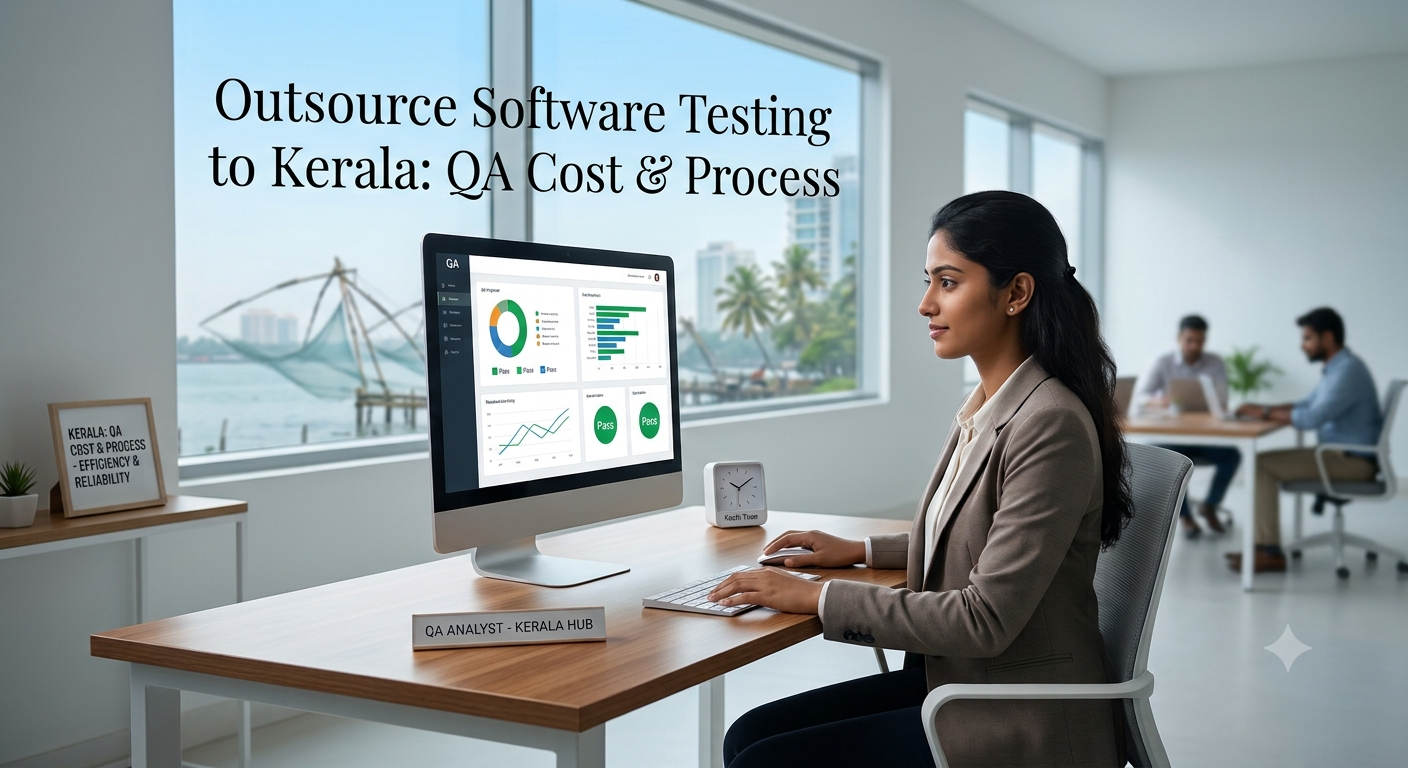
Outsource Software Testing to Kerala: QA Cost & Process
Planning to outsource QA? See what manual and automation testing cost in Kerala, how the process works, and which questions to ask vendors before you sign.
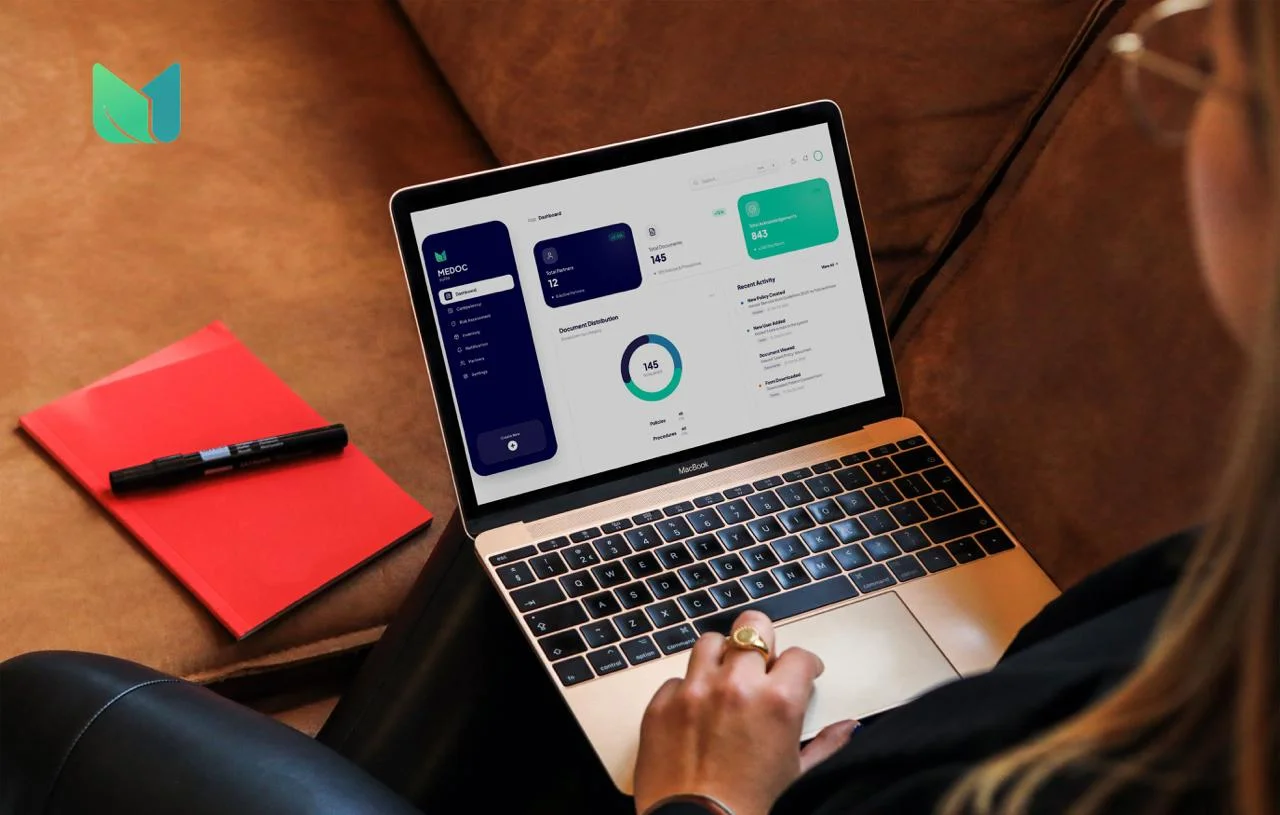
Case Study: Medoc Suite Platform by CODO AI
Scattered records, tricky scheduling and slow billing cost healthcare teams hours every week. See how CODO AI approached Medoc Suite, from discovery to launch, and what a single healthcare platform can change for your clinic.
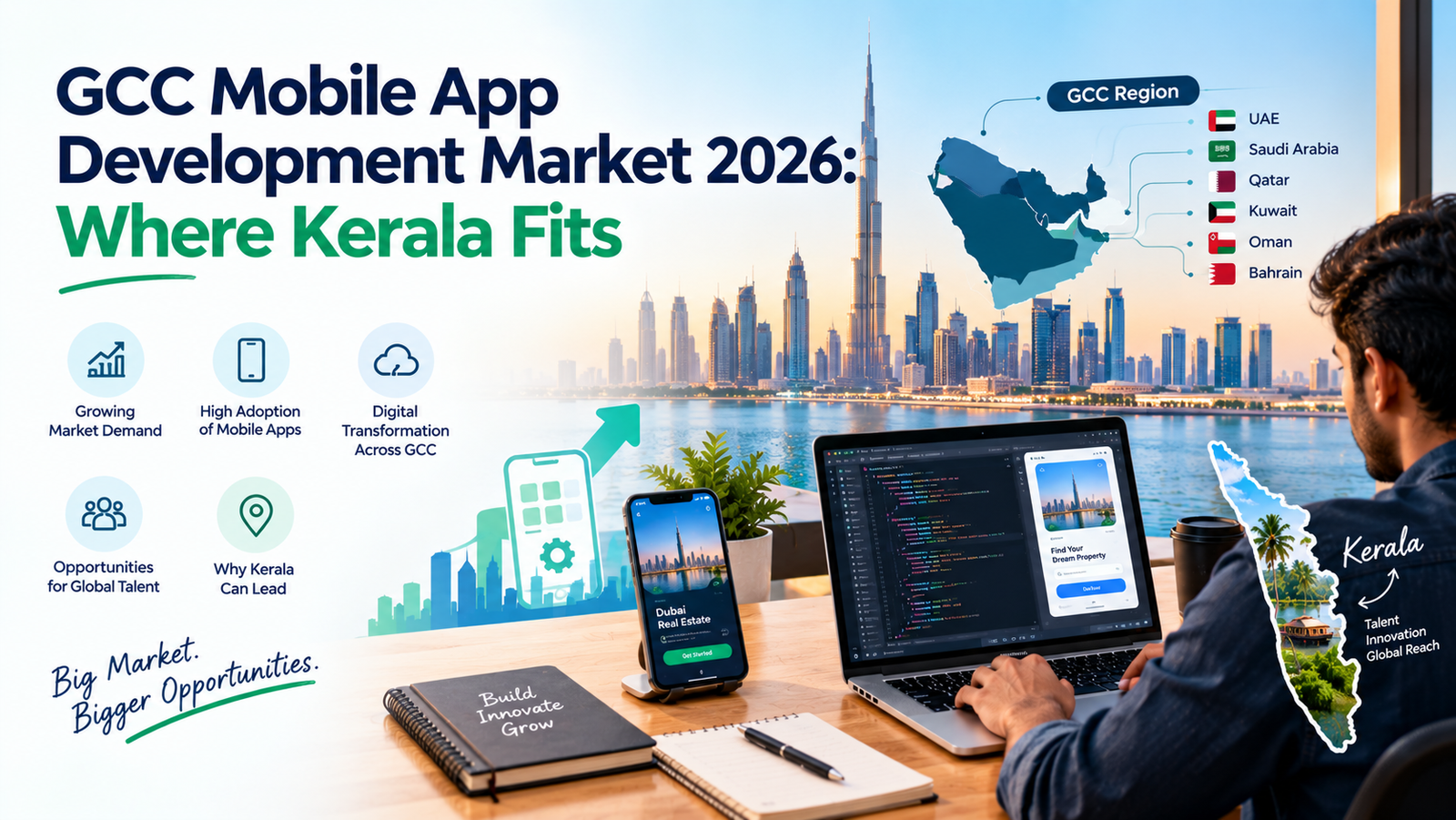
GCC Mobile App Development Market 2026: Where Kerala Fits
Gulf businesses are moving payments, services and shopping onto the phone. See where GCC mobile app demand is heading in 2026, what buyers expect, and why Kerala teams are winning Gulf projects on cost and time-zone overlap.