Back to Journal
Case study
14 November 20266 min read
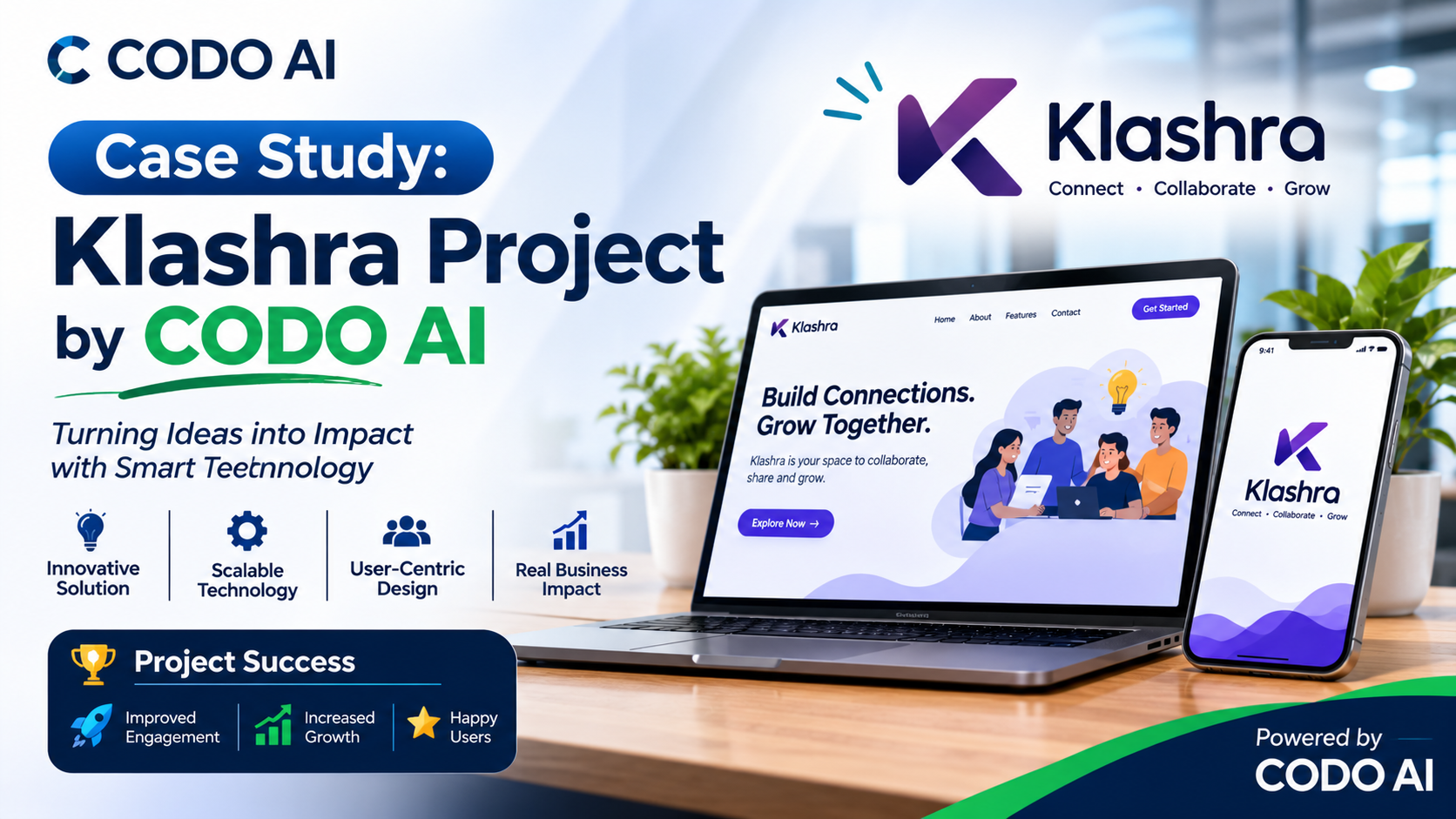
Case Study: Klashra Project by CODO AI
F
Fathima Nidha Nk
SEO Specialist
Fathima Nidha Nk
SEO Specialist
The brief, the build and the outcome: how CODO AI delivered the Klashra project, and the lessons we took from it.
When a business runs on tasks, people and resources, the real cost of poor visibility is paid every day in missed handovers and slow decisions. Klashra Ltd came to CODO AI with exactly that problem. In three months, we built them an internal operations platform that turns complex activity into clear, trackable dashboards. Here is the brief, the build and the outcome.
Client Klashra Ltd Project type Internal operations platform Timeline 3 months Stack React, Node.js, Tailwind CSS Market Kerala, GCC Live project Klashra portfolio page
Klashra needed a single place to run its operations. The goal was a control tool that maps tasks, manages resources and produces business analytical reports, so that managers could see what was happening without chasing updates across chats, sheets and meetings.
That sounds simple, but it hides a hard design question. Operations data is complicated: tasks overlap, resources are shared, and statuses change by the hour. The central challenge was creating clean visual representations of complex operational metrics. If the dashboards were cluttered, people would stop trusting them. If they were too simple, they would stop being useful.
This is a common situation for growing companies. Off-the-shelf tools handle generic work well, but an operation with its own way of working often needs software shaped around it. That is the kind of work our custom software development team does.
Design the information before the interface. A dashboard is only as good as the decisions it supports. We started from the questions the team needed answered, then arranged tasks, resources and reports around those questions. The result is a platform where each screen has one clear job.
Choose a stack that stays fast and maintainable. The platform is built with React on the front end, Node.js on the back end and Tailwind CSS for a consistent, lightweight interface. React suits dashboards because screens update smoothly as data changes. Node.js handles the real-time flow of status information. Tailwind keeps the visual language tidy across every view. Ourcustom web development practice uses this kind of modern, performance-minded stack.
Build trust into the structure. Operations tools hold sensitive information, and different people should see different things. That is why role-based access control sits at the core of the platform rather than being added at the end.
The platform centres on three key deliverables:
Custom analytics. Reports and charts built around Klashra’s own operational metrics, so leaders get business-ready insight instead of raw numbers. Role-based access control. Each team member sees the information and tools that match their role, which keeps the system secure and the interface uncluttered. Real-time status feeds. Live updates on work in progress, so the picture on screen matches the picture on the ground. Together, these let the operation move from “what is the status?” conversations to decisions based on a shared, current view.
The project page records the following outcomes for Klashra:
94% Performance score 3x Faster load time +40% Conversion lift A 94% performance score and a load time three times faster mean the platform responds quickly, which matters when people check dashboards many times a day. Speed is also a habit-builder: tools that feel instant get used, and tools that lag get avoided. You can see the full project summary on theKlashra project page.
Clarity beats quantity. More charts do not mean more insight. The best dashboards show less, but show it better.
Performance is a feature. Fast loading is part of the user experience, not a technical afterthought. We plan for it from the first sprint.
Permissions are product design. Deciding who sees what shapes the entire interface. Settling roles early prevents expensive rework later.
Three months is enough when scope is clear. A focused brief, a proven stack and regular check-ins kept the project moving. Where a platform needs smart automation on top, such as alerts or assisted reporting, ourAI solutions and automation service can extend the same foundation.
A Klashra-style platform can help if you recognise any of these signs:
Your team tracks work across several tools and spreadsheets. Managers spend time collecting status updates instead of acting on them. You need reports that match how your business actually measures success. Different staff need different levels of access to the same data. If that sounds familiar, explore more of our delivered work in the CODO AI portfolio, including the next case study, G7 Holdings. We also build tools for specific industries, such as the Medoc Suite platform. If you would like to try before you commit, our premium toolsare a good place to start, and you can learnmore about the team on the CODO AI Innovations homepage. Once your platform is live, a strong identity helps it land with users, which is where our branding services come in.
Ready to run your operations on one clear platform? Tell us how your team works today. We will come back with an honest view of scope, timeline and the best place to start.
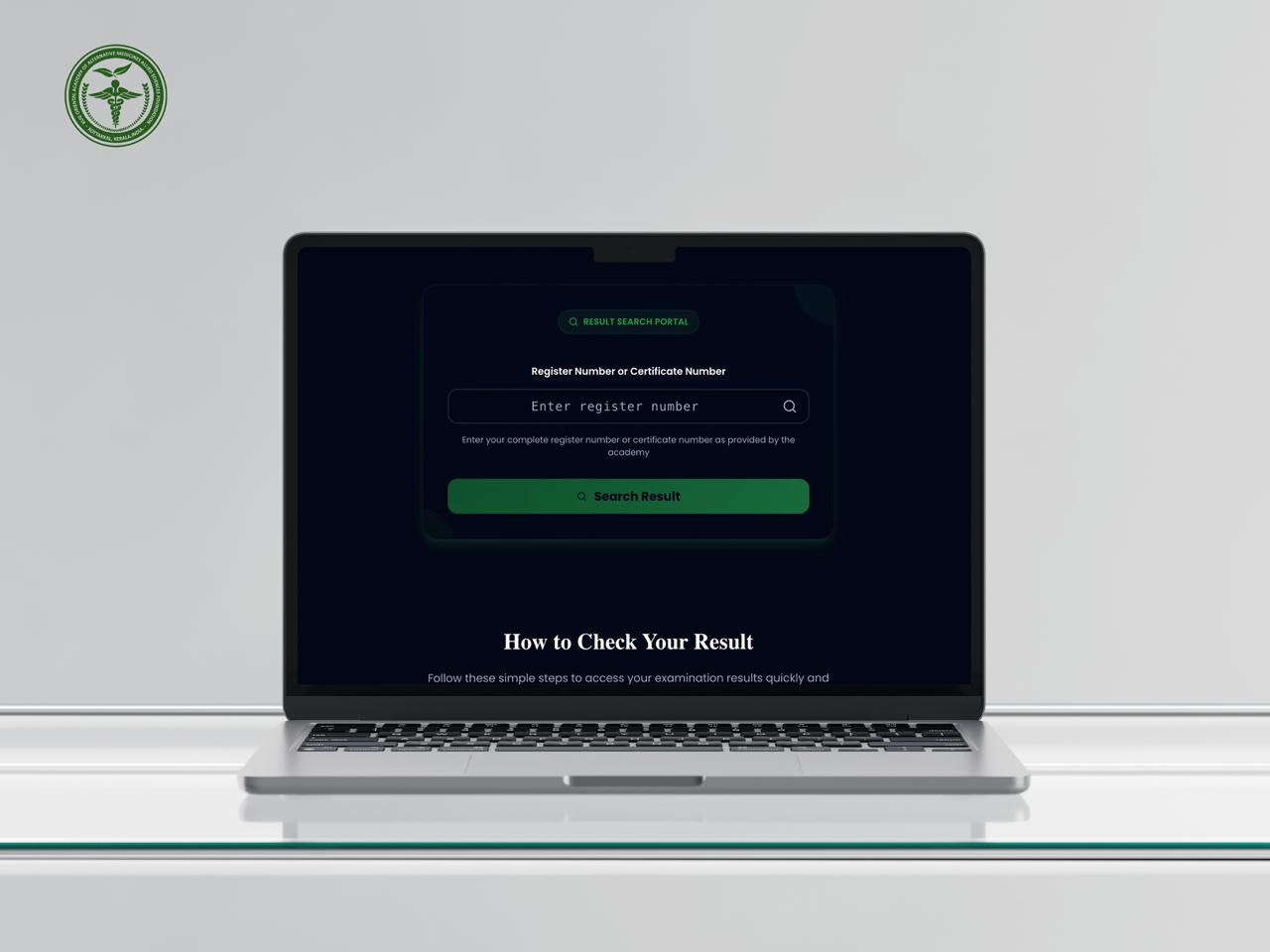
How CODO AI built the KUG Result Publication Portal in 3 months: Next.js, MySQL and a build made for result-day traffic spikes.
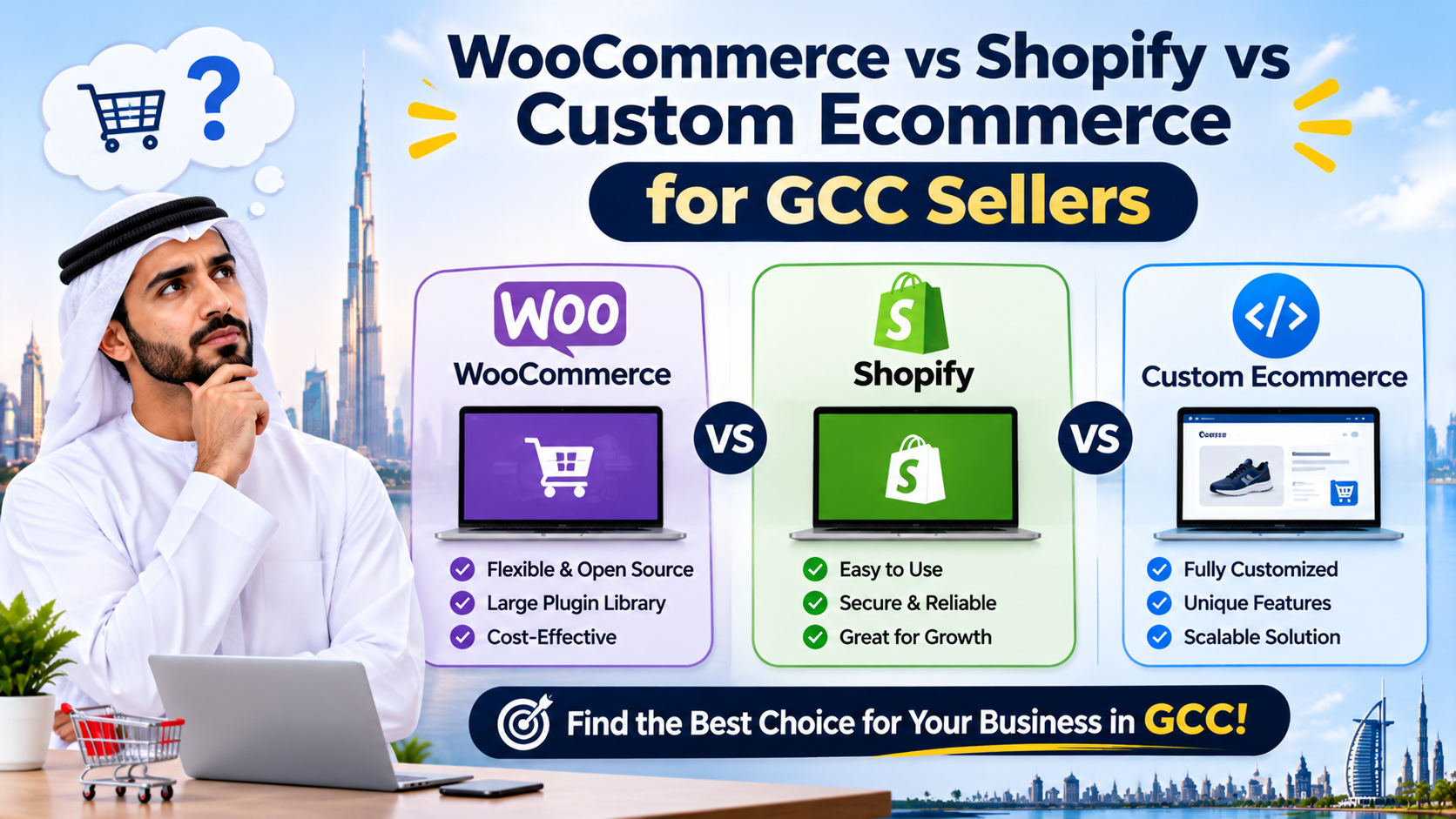
Compare WooCommerce, Shopify and custom builds for Gulf stores. See what each costs, how it handles Arabic and local payments, and which fits your stage.
How GCC online stores use an AI WhatsApp chatbot to answer product questions, recover abandoned carts and handle order status. Setup and cost.