
Back to Journal
AI & Automation
4 November 20268 min read
AI Lead Follow-Up Automation for Gulf Service Businesses
J
Jubairiya
Digital Marketing Executive
Jubairiya
Digital Marketing Executive
Stop losing enquiries: how AI and WhatsApp automation reply instantly, qualify leads and prompt your team to follow up. Setup and costs.
A customer fills in your form at 9:40 pm, or sends a WhatsApp message during Friday prayers, or clicks a Facebook ad on a Saturday morning. Your team replies the next afternoon. By then, that customer has already spoken to two of your competitors. This is the most common leak in GCC service businesses. The marketing works and the enquiries arrive, but the follow-up is slow, inconsistent or forgotten. AI lead follow-up automation fixes this by replying within seconds, asking the right questions and handing a qualified lead to a person at the right moment. This guide explains how it works, what to automate, what to keep human, and how to set it up without annoying your customers.
Most businesses in the UAE, Saudi Arabia and Qatar already spend on ads, SEO and listings. The problem starts after the enquiry: Leads arrive across several channels at once: website forms, WhatsApp, Instagram, Google Business Profile calls and portal enquiries. Sales teams work shifts, take leave and miss messages. Follow-up depends on one person remembering to chase. No one knows which leads were contacted, which went cold and which became customers. Speed matters because buyers in the Gulf usually message several providers at once. The business that answers first and answers clearly often wins the conversation. Automation doesn’t replace your salespeople. It makes sure no lead waits.
A good setup connects your lead sources, your messaging channels and your CRM, then runs a defined sequence: Captures the lead from any source into one place. Replies instantly on the channel the customer used, usually WhatsApp. Asks qualifying questions such as service needed, budget range, location and timeline. Answers common questions about pricing ranges, availability and process. Scores and routes the lead to the right salesperson or branch. Books a call or visit directly into a calendar. Reminds your team when a hot lead hasn’t been contacted. Follows up automatically with leads that go quiet. The AI handles the repetitive first layer. Your team handles the conversation that closes the sale.
In the GCC, WhatsApp is how many customers prefer to talk to businesses. Email gets ignored, and forms feel slow. A reply on WhatsApp within a minute feels like good service.
Some points to plan for:
Use the official WhatsApp Business API. Unofficial tools that scrape or automate personal accounts risk getting your number banned. Respect the 24-hour window. Outside it, you can only send pre-approved template messages, so your follow-up sequence needs approved templates. Get opt-in. Customers should agree to be contacted. Check requirements under data protection rules such as the UAE and Saudi PDPL laws for your sector. Offer a human option. A visible “talk to our team” route keeps the experience trusted.
Real estate. Portal and ad enquiries arrive in bursts. The AI replies, asks about budget, area and bedrooms, then sends matching listings and books viewings.
Clinics and healthcare. Patients message to ask about treatments, prices and appointments. Automation can handle booking, reminders and no-show follow-up, while clinical questions go to staff.
Education and training. Prospective students ask about courses, fees and intakes at all hours. A bot can share brochures, qualify interest and schedule counsellor calls.
Home services, interiors and fit-out. Quote requests need a few details before anyone can respond. The AI collects photos, location and scope so your estimator starts with a complete brief.
| Automate | Keep human |
|---|---|
| First reply and acknowledgement | Negotiating price |
| Qualifying questions | Sensitive or complaint conversations |
| FAQs about hours, location, process | Final proposals and contracts |
| Booking calls and visits | Complex custom requests |
| Reminders and no-show follow-up | Relationship building with high-value clients |
| Re-engaging cold leads | Anything involving medical or legal advice |
The rule is simple: automate speed and consistency, keep people for judgment and trust.
Gulf customers expect to be answered in their language. Your automation should detect whether someone writes in Arabic or English and reply accordingly, with natural wording rather than a literal translation. This also means your website, forms and landing pages should support both languages. If you’re planning that,
Step 1: Map your current lead flow. List every source, who responds, how fast and what gets lost. Most businesses find two or three gaps immediately.
Step 2: Define what a good lead is. Agree the five or six questions that separate a serious enquiry from a casual one.
Step 3: Choose your stack. You’ll typically need a CRM, the WhatsApp Business API, an automation layer and an AI model for understanding and replying to messages. Choose tools your team will actually use.
Step 4: Write the conversations. Draft the opening message, the qualifying questions, the objection answers and the handover message. Keep them short and conversational.
Step 5: Build the follow-up sequence. Decide when to nudge a quiet lead, how many times, and when to stop. Two or three well-timed messages beat constant chasing.
Step 6: Test before launch. Run real scenarios in Arabic and English, including odd answers, voice notes and wrong-channel messages.
Step 7: Measure and improve. Track first-response time, qualified lead rate, booking rate and cost per closed customer. Review conversations weekly in the first month.
Costs depend on the number of channels, the CRM you use, conversation volume and how custom the logic is. Expect a setup cost, plus ongoing fees for messaging, software and maintenance. We break down the real numbers in our AI automation cost guide, including what drives the price up or down. A useful way to judge it: compare the monthly cost against the value of the leads you currently lose. If one extra closed customer a month covers it, the decision is easy.
Automating a broken process. If your sales follow-up is unclear, fix it first. Making the bot sound robotic. Long, formal replies get ignored. No human handover. Customers get frustrated when they can’t reach a person. Spamming leads. Over-following-up damages your brand and your WhatsApp quality rating. Ignoring data protection. Collect only what you need and be clear about how it’s used. Never reviewing conversations. The first version is never the best version.
If you also want AI to handle existing customers, our post on AI customer support for businesses explains how the same setup extends beyond sales.
If your enquiries come in faster than your team can answer, automation is usually the quickest fix. CODO AI Innovations designs and builds AI solutions and automation for businesses serving the UAE, Saudi Arabia and Qatar, including WhatsApp workflows, CRM integration and Arabic-English support. If your website also needs to capture leads properly, our custom website development team can build the front end to match. For a sense of local market pricing, see our comparison of website cost in Dubai vs Kerala, and if you’re choosing a partner, read our guide to the best web design agencies in Kerala.
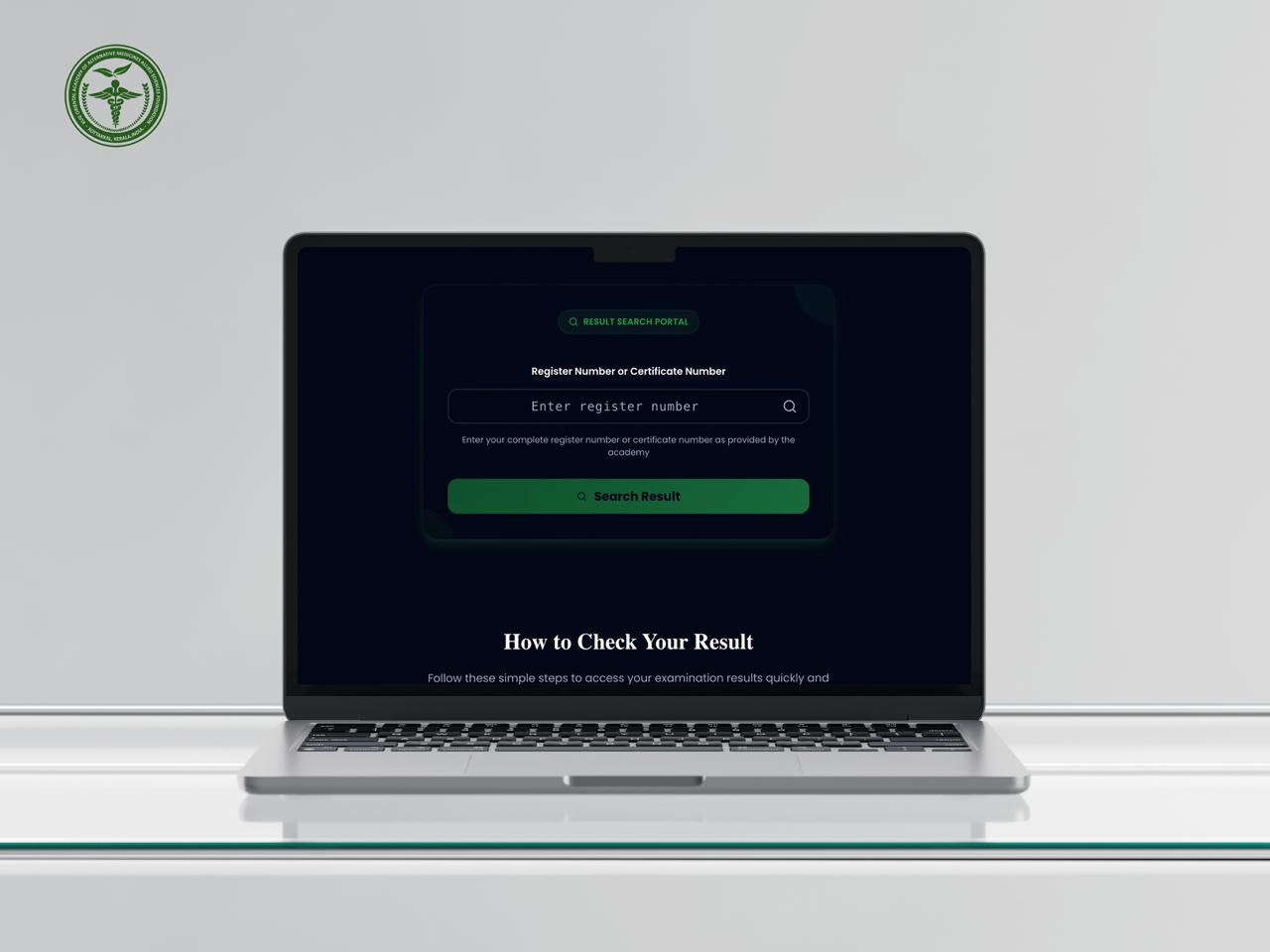
How CODO AI built the KUG Result Publication Portal in 3 months: Next.js, MySQL and a build made for result-day traffic spikes.

Compare WooCommerce, Shopify and custom builds for Gulf stores. See what each costs, how it handles Arabic and local payments, and which fits your stage.
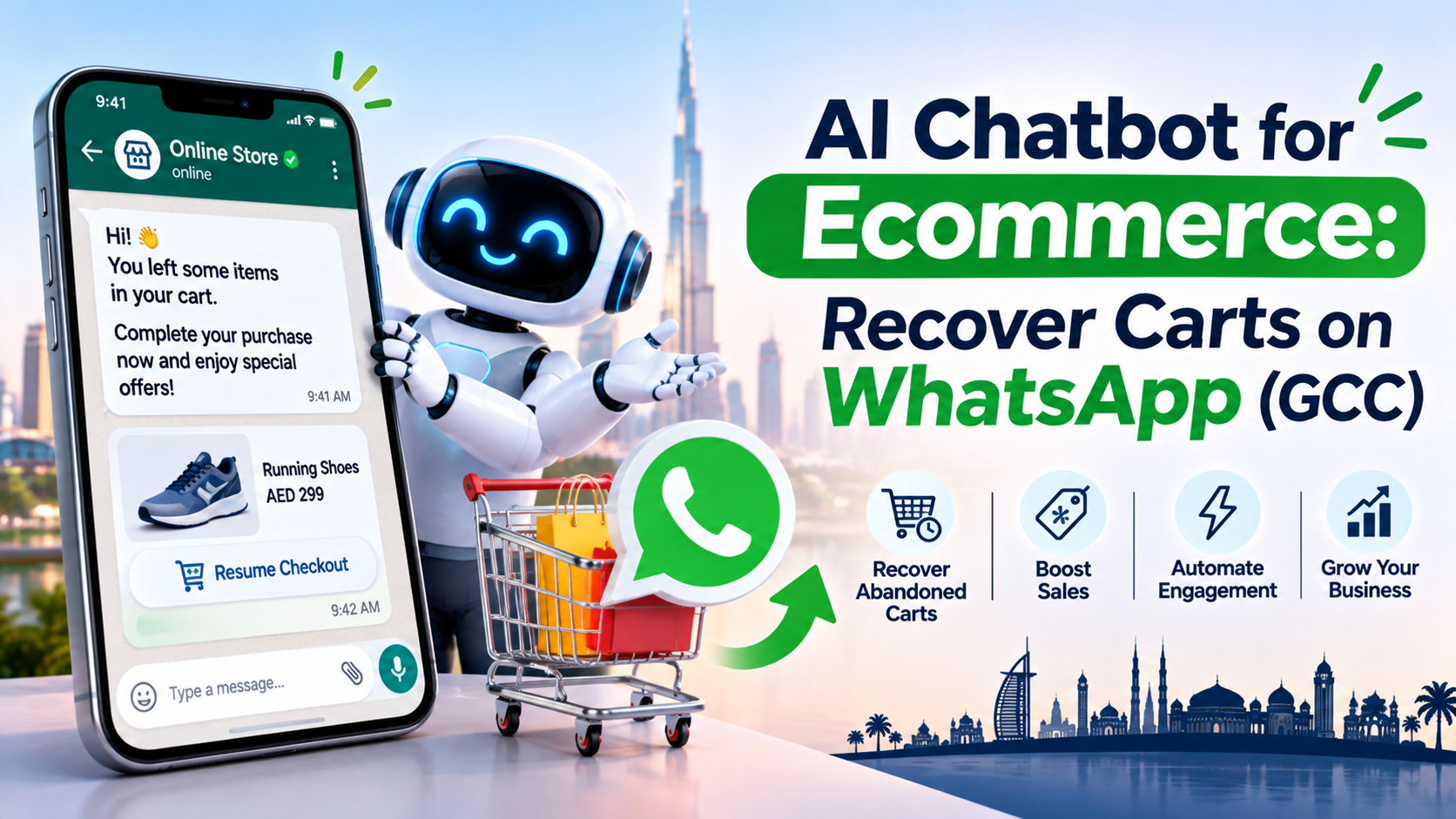
How GCC online stores use an AI WhatsApp chatbot to answer product questions, recover abandoned carts and handle order status. Setup and cost.