

Website for Malayali Retail & Restaurant Business in Saudi Arabia
Running a Malayali retail store or restaurant in Saudi Arabia? Here's how to get a professional, affordable website built by a team that understands your customers.
How a Malayali Retail or Restaurant Business in Saudi Arabia Can Get a Professional Website on a Budget
Walk through Al Batha in Riyadh, Jarir Street in Jeddah, or the souks of Dammam, and you'll find them everywhere — Malayali-owned grocery stores stocked with Kerala rice and Nadan spices, restaurants serving appam and beef fry to a homesick crowd on a Friday afternoon, tailoring shops, mobile repair counters, and small trading businesses built by hand over years of hard work in the Kingdom. These businesses run on trust, word of mouth, and the tight-knit Malayali community network across Saudi Arabia.
But that same word-of-mouth model has a limit. A new Malayali family that just moved to Riyadh, a Saudi or expat customer curious about your restaurant, a supplier searching for your business by name — none of them find you if you don't exist online. And for most small retail and restaurant owners in this position, "getting a website" sounds like something reserved for big businesses with big budgets. It isn't. It's more affordable, and more necessary, than most owners realize.
This guide is written specifically for that business owner — the one running a shop or restaurant in Saudi Arabia, serving a largely Malayali and South Asian customer base, wondering whether a website is worth the cost. Short answer: yes, and here's exactly how to get one done properly without overspending.
Why a Website Actually Matters for a Local Malayali Business
It's easy to assume a neighborhood grocery store or a small restaurant doesn't need a website — customers just walk in, right? In practice, three things have changed that make a website genuinely useful even for a small, community-rooted business:
People search before they walk in. Someone new to the city searches "Kerala grocery near me" or "Malayali restaurant Riyadh" on Google Maps before ever stepping outside. If your business doesn't show up — or shows up with no photos, no menu, no hours — you lose that customer to a competitor who does.
WhatsApp and Instagram aren't enough on their own. Many Malayali businesses in Saudi Arabia already run a WhatsApp Business number or an Instagram page, which is a good start — but neither is built for someone to actually discover you through a Google search, and neither builds long-term credibility the way a real website does.
Trust matters more with new customers. A regular customer trusts you because they know you. A first-time customer — especially a Saudi or non-Malayali customer curious about your restaurant — often checks whether a business "looks real" online before visiting. A simple, professional website (even a single page) signals legitimacy in a way a phone number alone doesn't.
None of this requires a large, complex site. It requires a focused one — done right, and done affordably.
What "Professional" Actually Means for a Small Budget
A common misconception is that a professional website means a large, feature-heavy site with a big price tag. For a retail store or restaurant, that's the wrong target. What actually matters is much simpler:
A clean homepage with your business name, what you sell or serve, your location, and how to contact you A menu or product list, even a simple one, ideally with photos A Google Maps embed so customers can navigate directly to you Working WhatsApp and phone contact buttons, since that's how most customers will actually reach out Mobile-first design — the large majority of your customers will find you on a phone, not a desktop Basic local SEO setup so you actually appear when someone searches for what you offer, in your city
A five-to-eight-page site covering this well will always outperform a large, generic site that took months to build and confuses visitors. Budget-conscious doesn't mean lower quality — it means scoped correctly for what the business actually needs.
The Real Reason Kerala-Built Websites Cost Less for Saudi-Based Owners
Here's the part that changes the budget conversation entirely: a professional website built by a Kerala-based agency typically costs a fraction of what the same scope of work costs from a Saudi-based agency or freelancer — for the same quality of design and development.
This isn't a corners-cut situation. It comes down to a few honest, structural reasons:
Lower baseline costs in India. Development and design salaries in Kerala are priced against the Kerala cost of living, which is substantially lower than in Riyadh or Jeddah. A Kerala-based team can deliver the same skill level at a lower rate simply because their operating costs are lower — not because the work is lower quality.
No local agency markup. A Saudi-based web agency often has its own overhead — office rent, local salaries, sometimes outsourcing the actual build to a South Asian developer anyway, with a markup layered on top. Working with a Kerala team directly removes that extra layer.
A team that already understands the business. A Kerala-based agency working with Malayali diaspora clients doesn't need the concept of an "ethnic grocery store" or a Kerala-style restaurant menu explained to them — they've likely built for a dozen similar businesses already. That familiarity saves time on both sides, which also keeps costs down.
Community and language alignment. Communicating project details, menu items, product names, and business specifics is simply easier when the agency already understands Malayalam terms, Kerala cuisine, and the community context — no explaining "parippu vada" or "meen curry" from scratch.
Put together, a Malayali business owner in Saudi Arabia working with a Kerala-based team gets a website built by people who already understand the business, at a materially lower cost than sourcing the same work locally.
What a Realistic Budget-Friendly Website Project Looks Like
For a small retail store or restaurant, a sensible, affordable website project usually follows this shape:
Step 1 — Define the essentials. Business name, address, working hours, WhatsApp number, a short "About" description, and a product or menu list. This is information the owner already has — no research needed.
Step 2 — Gather real photos. A handful of clear photos of the storefront, the food, or the products goes further than any amount of stock imagery. If good photos don't exist yet, this is worth doing before the site is built — see our guide on free vs. professional website options for a breakdown of what's worth investing in first.
Step 3 — Build a focused, mobile-first site. A homepage, an about/story section, a menu or product page, a contact page with a map and WhatsApp button — five to eight pages total, built cleanly rather than padded out for the sake of size. Our custom website development service is built around exactly this kind of focused, budget-conscious project.
Step 4 — Set up local SEO from day one. A Google Business Profile, basic on-page SEO targeting city + business type searches, and correct address/contact details across the web. This is what actually gets a small business found — see our guide on ranking a website in Google for the fundamentals.
Step 5 — Plan for upkeep, not just launch. Menu prices change, hours shift during Ramadan, new dishes get added. A small monthly maintenance retainer — covered in our piece on why GCC businesses use Kerala-based maintenance teams — keeps the site accurate without the owner needing to think about it.
This entire project, done through a Kerala-based team, is realistically achievable well within the budget most small business owners assume is out of reach.
Restaurant-Specific Considerations
Restaurants have a few extra needs worth planning for: A clear, photographed menu — this is usually the single most-viewed page on a restaurant website, and deserves the most care Delivery and takeaway information, including whether you're on Hunger Station, Jahez, or similar Saudi delivery platforms, linked clearly from the site Prayer-time-aware hours, since many Saudi customers plan visits around prayer breaks Community-specific dishes named clearly (not just "curry" but the actual Malayalam dish name customers search for), which also helps with search visibility among the Malayali community searching in their own terms
Retail-Specific Considerations
For grocery, textile, or trading businesses, the priorities shift slightly: A simple product catalog, even without ecommerce checkout — customers often just want to confirm you stock something before visiting or calling Clear delivery-area information, since many Malayali grocery customers order via WhatsApp for home delivery Brand and product names customers actually search for — Kerala-specific brands, spice names, rice varieties — used naturally across the site for search visibility A path to full ecommerce later, if the business grows into online ordering — our ecommerce website cost guide covers what that step looks like when the time comes
Choosing the Right Team for This Kind of Project
Not every agency is a fit for a small, budget-conscious, community-specific project. A few things worth checking before committing:
Do they have experience with similar Malayali or South Asian diaspora businesses, not just generic corporate sites? Will they scope the project to what you actually need, rather than upselling features a small restaurant or shop doesn't use? Is ongoing support included or clearly priced, so the site doesn't go stale six months after launch? Can you see real examples of their work? A portfolio with relevant projects tells you more than a sales pitch.
If you're weighing a Kerala-based agency against a Saudi-local one more broadly, our comparison on hiring a digital marketing agency: Kerala vs. the UAE covers the same cost and communication trade-offs that apply here.
The Bottom Line
A professional website is no longer out of reach for a small Malayali retail store or restaurant in Saudi Arabia — it just needs to be scoped correctly and built by a team that understands both the budget and the business. A focused five-to-eight-page site, built by a Kerala-based team that already speaks the language of Kerala cuisine, community trust, and small-business budgets, gets a business found by exactly the customers it's trying to reach — without the inflated cost of a Saudi-local build.
If you're ready to see what this would look like for your own store or restaurant, explore our web development services or get in touch for a straightforward, no-pressure quote based on what your business actually needs.
Frequently Asked Questions
Keep Reading
View All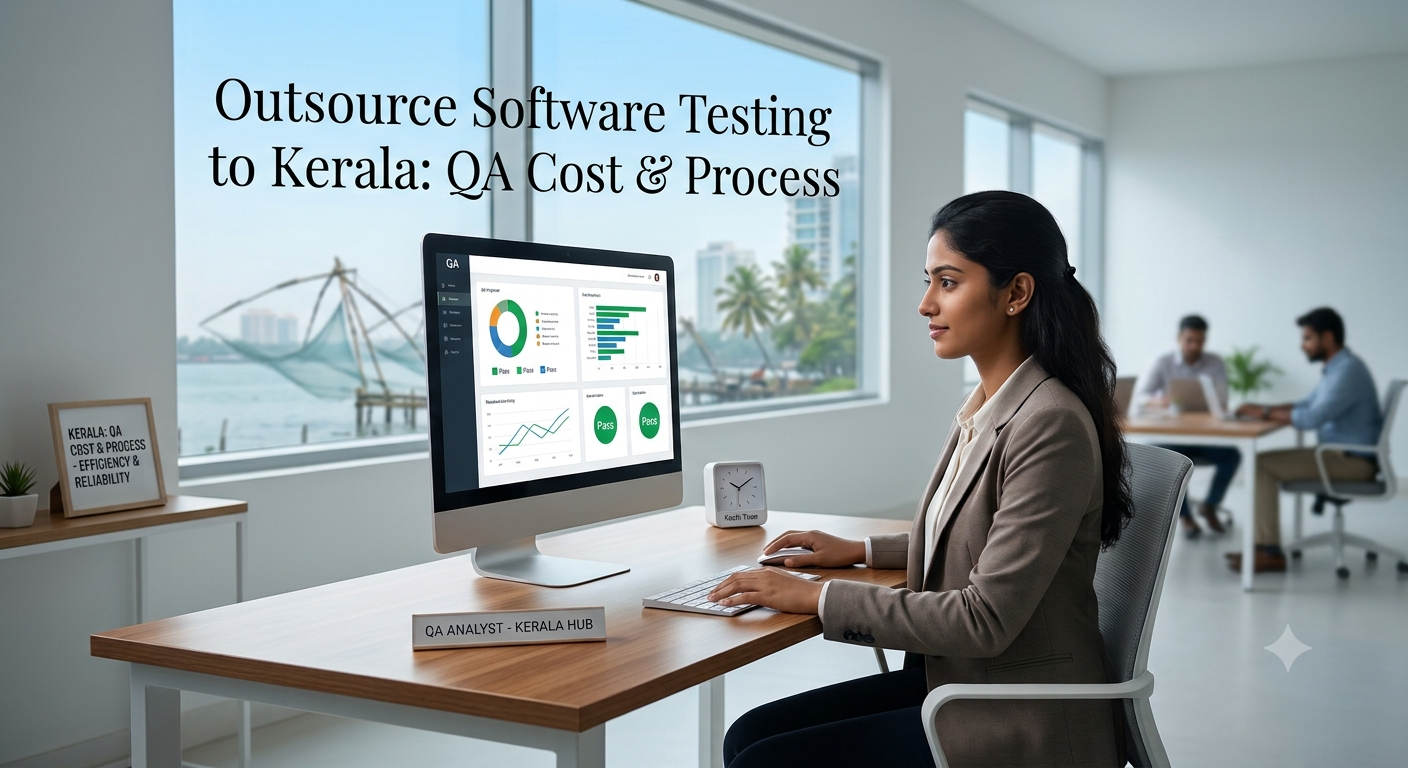
Outsource Software Testing to Kerala: QA Cost & Process
Planning to outsource QA? See what manual and automation testing cost in Kerala, how the process works, and which questions to ask vendors before you sign.
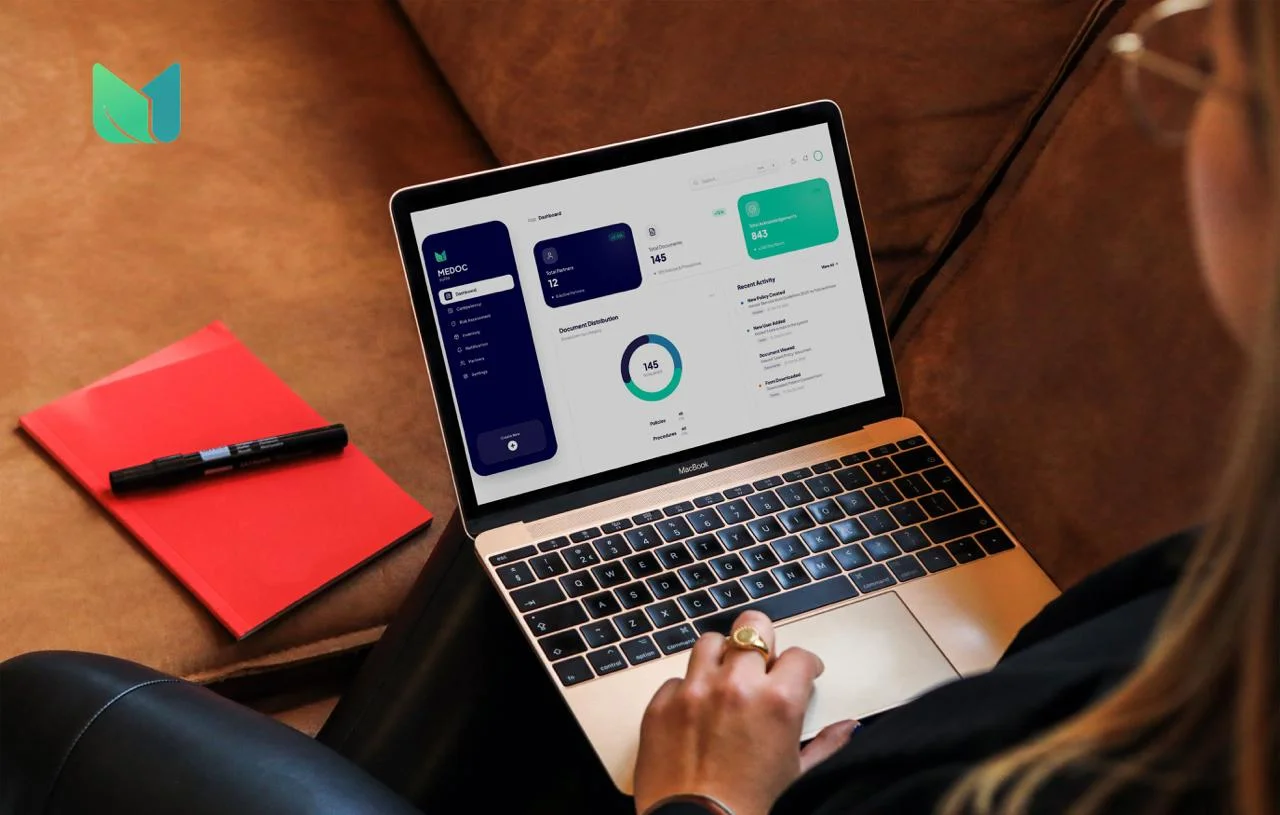
Case Study: Medoc Suite Platform by CODO AI
Scattered records, tricky scheduling and slow billing cost healthcare teams hours every week. See how CODO AI approached Medoc Suite, from discovery to launch, and what a single healthcare platform can change for your clinic.
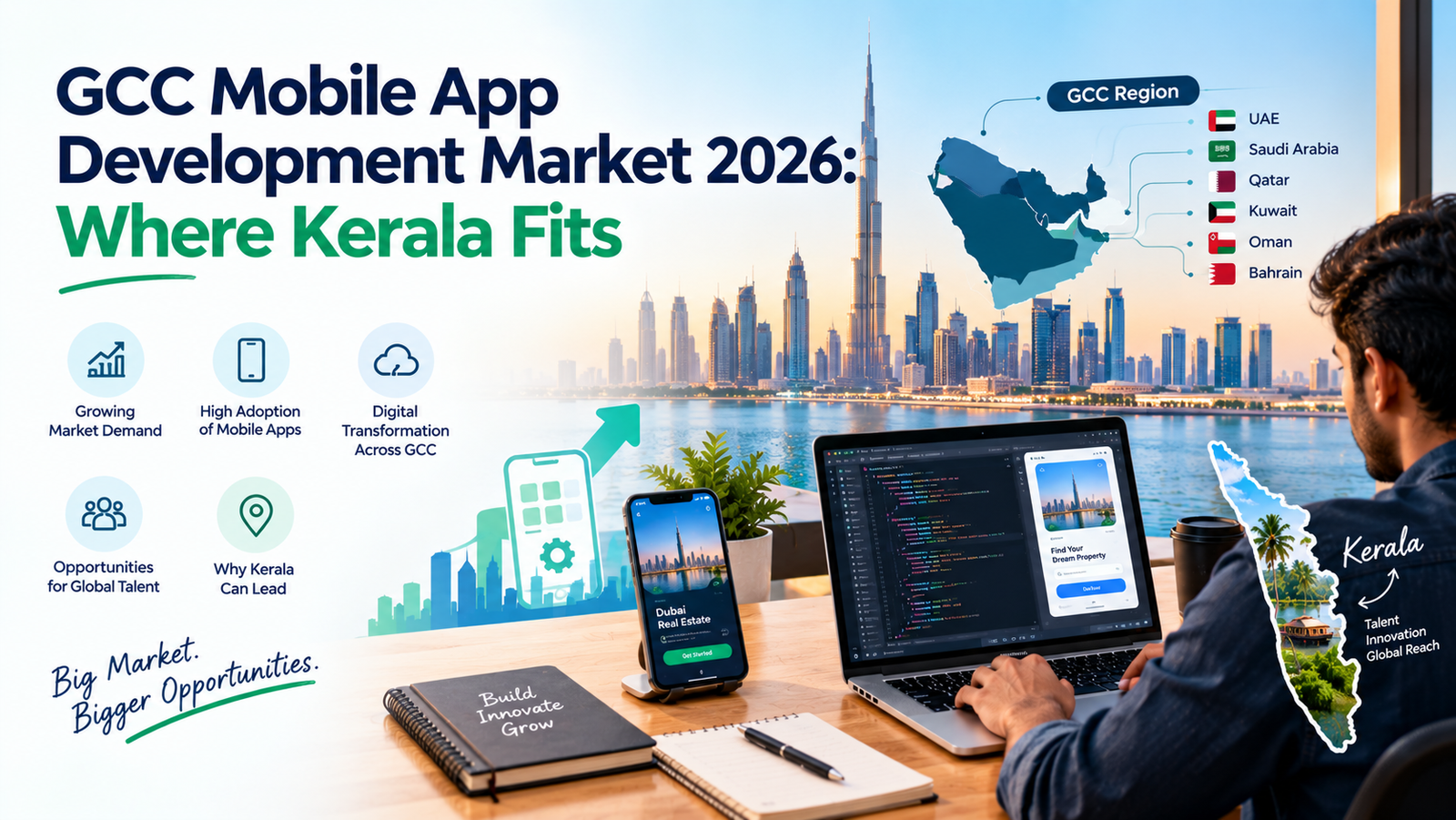
GCC Mobile App Development Market 2026: Where Kerala Fits
Gulf businesses are moving payments, services and shopping onto the phone. See where GCC mobile app demand is heading in 2026, what buyers expect, and why Kerala teams are winning Gulf projects on cost and time-zone overlap.